What this guild is about
Understand the power you wield.
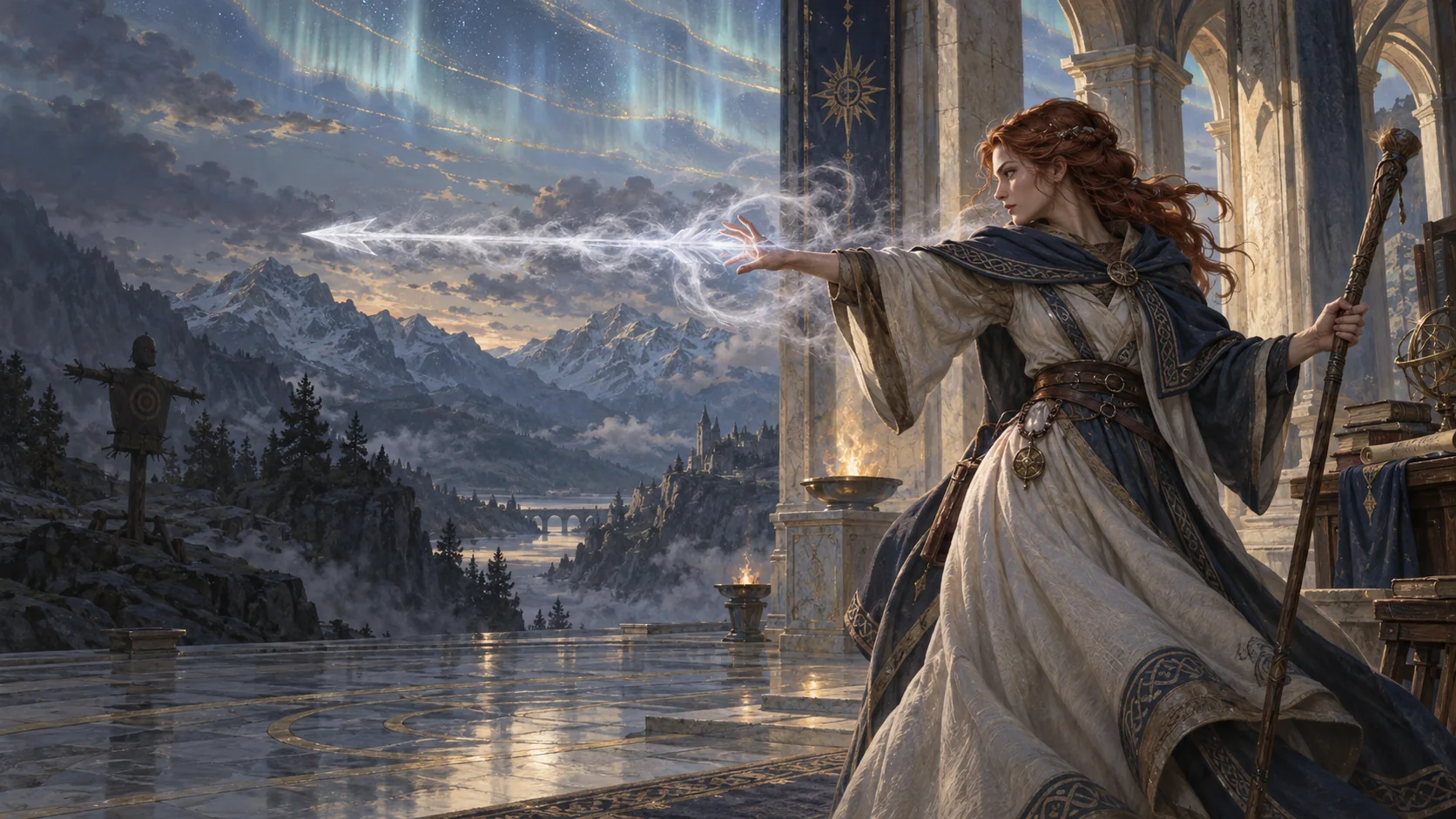
Study a spell's size, shape and element, then combine them into an attack of your own choosing. The Mages of Valkor practise a learned craft with practical uses, elemental specialisations and protective magic. Behind Vaerlon's public teaching halls lie older traditions, political restrictions and knowledge that rewards a curious traveller.
A mage's power grows from understanding how parts fit together. An arrow of steam is a combination of studies, and changing an element or shape changes the problem you can solve. You learn to read opponents, choose suitable magic and preserve enough energy for the encounter after this one. The guild's culture has the same patient quality: books, repeated experiments, specialist schools and masters who have watched generations struggle with their first spells. Choose it if you enjoy a repertoire that becomes more useful as you understand it, and the pleasure of finding a precise magical answer to a difficult enemy.
You might feel at home here if…
- Build a repertoire, then choose the right element.
- Budget magical reserves for offence and protection.
- Follow the clues left by older schools of magic.
Lore & origins
A public hall and a guarded inheritance
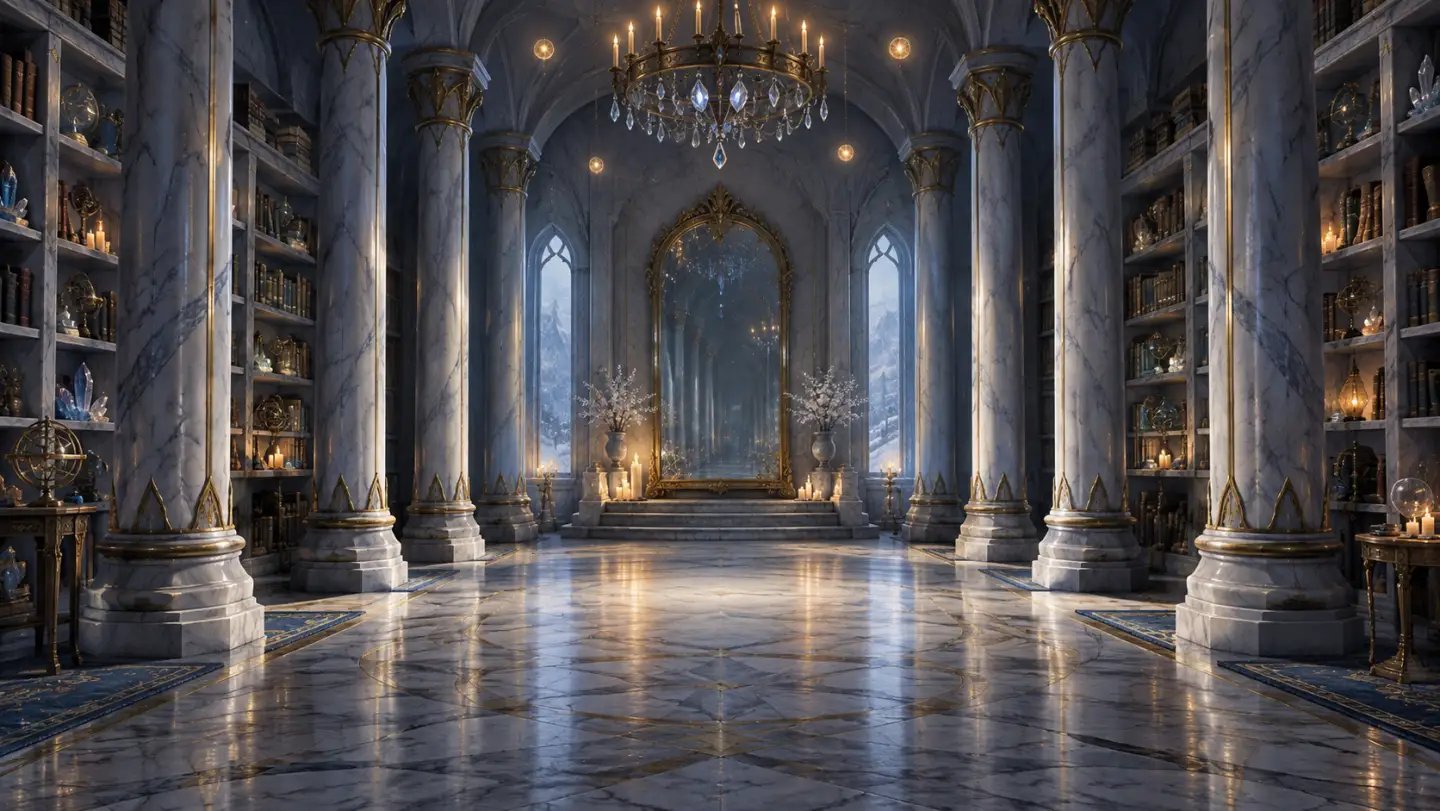
The Mages of Valkor teach useful magic for everyday life and combat. Their hall in Vaerlon makes a confident first impression, but the adjacent library reveals the work behind it. Novices bend over books and scrolls at widely spaced tables. Small casting failures crackle through the room. A plain fireplace burns without fuel, and an archway opens onto the public library, where anyone may read. The guild belongs to the city's intellectual life even while it keeps parts of its own history carefully guarded.
Aquail, the Grand Mage, has kept the hall for a century and a half. He teaches the foundations, but explains that the Council of Vaerlon restricted the most destructive offensive magic after dwarven demands for a ban. His account says those who knew its extremes disappeared. He also gives persistent students hints about older places of learning, including an oak planted before the restrictions. The black mirror in the library offers another unsettling glimpse: broken spires and ruined walls, the remains of a great house of study.
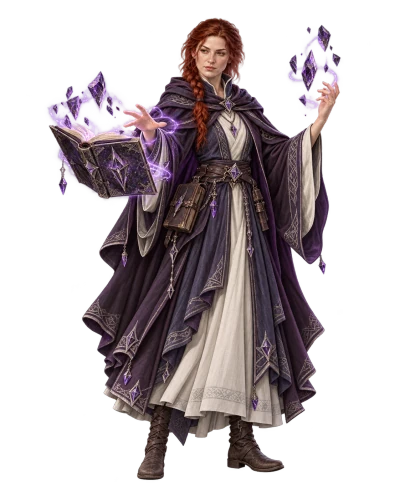
This is also a craft practising after the death of its god. Aquail speaks of Okka's death in the war with Zrammas and of magic that still works without a divine answer. The older elemental schools preserved specialised understanding, while the guild continues the practical teaching that newcomers can reach. Its rune-marked cloak carries the memory of that inheritance. A mage enters an institution that is both visible and reticent: open enough to teach a first spell, old enough to know why some questions are answered in a whisper.
A place in the world
The Mages’ hall and library, Vaerlon
The public hall leads to a library crowded with novices, books and experimental magic. A fuel-less fire warms the room. The black mirror and Aquail’s guarded stories hint at older schools beyond the public curriculum.
Explore the world around themTheir role in a fight
Build the spell the moment needs.
You supply adaptable spell damage. Study the components needed for a combination, choose an element suited to the enemy and decide how much force to put into the cast. A single favourite attack is easy to remember, but the guild's real attraction is a growing set of answers to different opponents and situations.
With a party
A stable fighting line gives you time to cast and choose useful damage types. Contribute attacks suited to the target instead of assuming every enemy fears the same element. Broader spell forms and the masteries associated with them expand your options as training develops. Protective magic helps when combat reaches you, but awareness of party formation and pressure still matters.
On your own
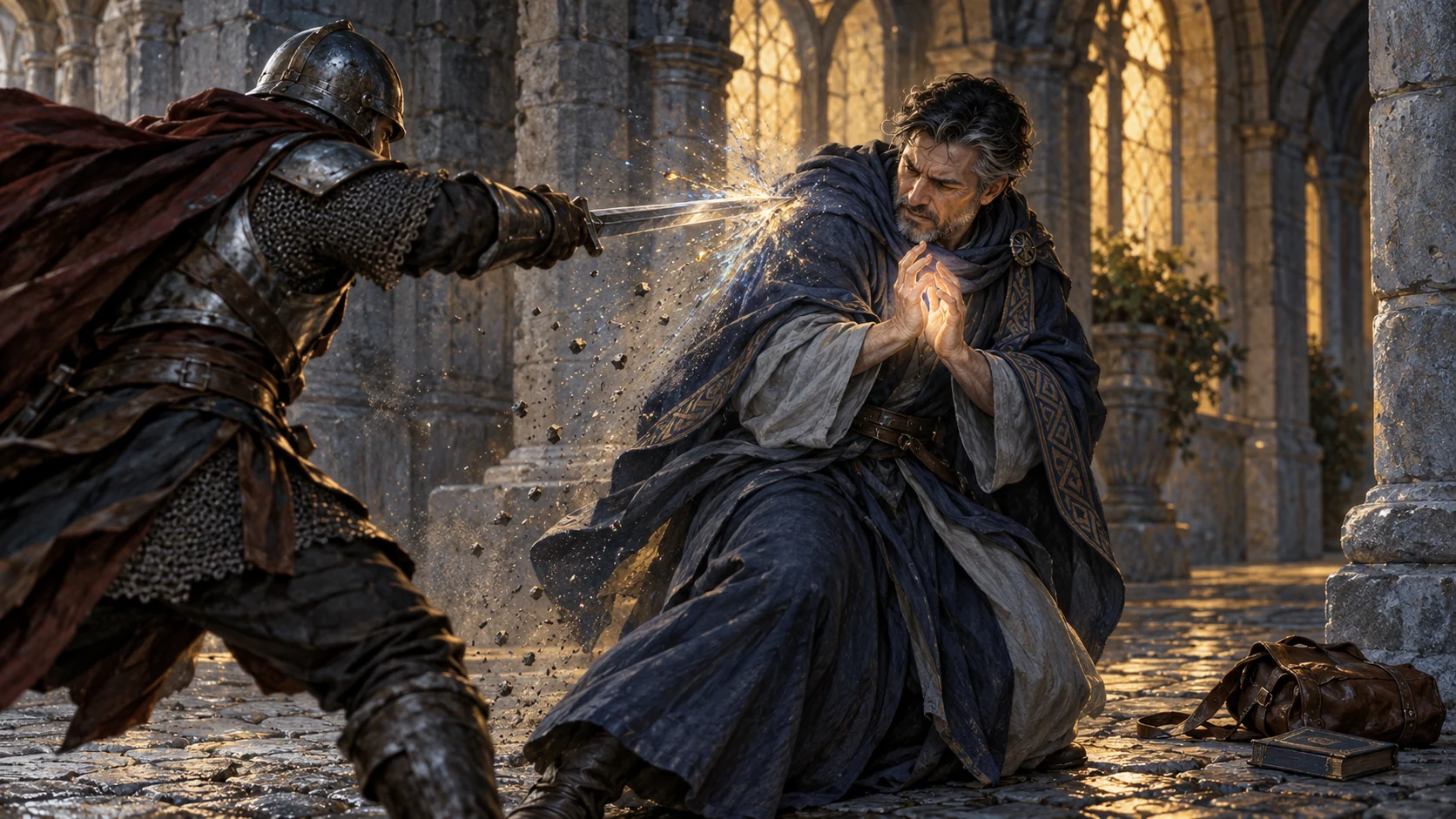
Solo fights ask you to balance offence with the magic that keeps you alive while casting. Mana Shield can absorb part of incoming damage at a cost to your magical reserve. Choose that balance with the whole encounter in mind. A spell that ends a fight efficiently may preserve more safety than an unnecessarily large cast that leaves nothing for defence.
The choices you make
Your repertoire is assembled through study. Knowing a shape and an element is distinct from knowing an unrelated named spell, and a powerful combination still demands resources and casting time. Magical protection also has costs: high Mana Shield absorption becomes more expensive. Preparation and restraint are part of the guild's strength, alongside the satisfaction of spectacular elemental attacks.
Power, explained
Signature abilities
Component Magic
Build an offensive spell
Mages combine learned components into spells: a base shape and a damage type, with an optional size modifier. A small arrow of steam is a practical example requiring the appropriate studies. The structure turns learning into choice. New components broaden your vocabulary of attacks, while enemy resistances make the element you select consequential.
Elemental Specialisation
Deepen a chosen craft
The mage traditions include specialised knowledge of fire, cold, acid and lightning. Their masteries develop through appropriate spell use and add characteristic effects, such as burning, freezing, shock or corrosion. Deeper schools preserve further elemental knowledge. Specialisation gives repeated practice a direction while encouraging you to understand what your chosen element does well.
Mana Shield
Spend magic to absorb harm
A protective envelope uses your own mana to reduce incoming damage from spells and melee. You can adjust the fraction it tries to absorb, with higher settings consuming more spell points per damage absorbed. Choose the setting as a resource decision: keeping health intact is valuable, but the same reserve also powers your attacks.
Orb of Light
Practical travelling magic
Summon an orb that lights its surroundings. This small, useful spell embodies the guild's promise that learned magic belongs in everyday life as well as combat. It helps make a dark place navigable and gives a developing mage a purpose beyond damage. It is a named spell, separate from the component system used for attacks.
These are examples from the guild’s wider training. Availability and strength depend on your guild path, skills and current game rules; an initiate starts with a smaller repertoire.
Learning the tradition
Extend your magical vocabulary.
Start with the foundations taught in Vaerlon and study the components required by your first attacks. Practical named spells and protective magic grow alongside the offensive repertoire. The guild's wider traditions include elemental schools and masteries learned through use, so progress also comes from experience with the spells you actually cast. Aquail can explain masteries and the limits of the public curriculum. Ask about the history of the craft, read the library and follow the world's clues as your ambitions expand. Check current guild requirements when choosing specialisation: a school represents a meaningful commitment, not simply another interchangeable damage button.
For a first character, the guided builder offers a selection of starting professions. The complete guild reference and in-game teachers explain entry requirements and further training.
-
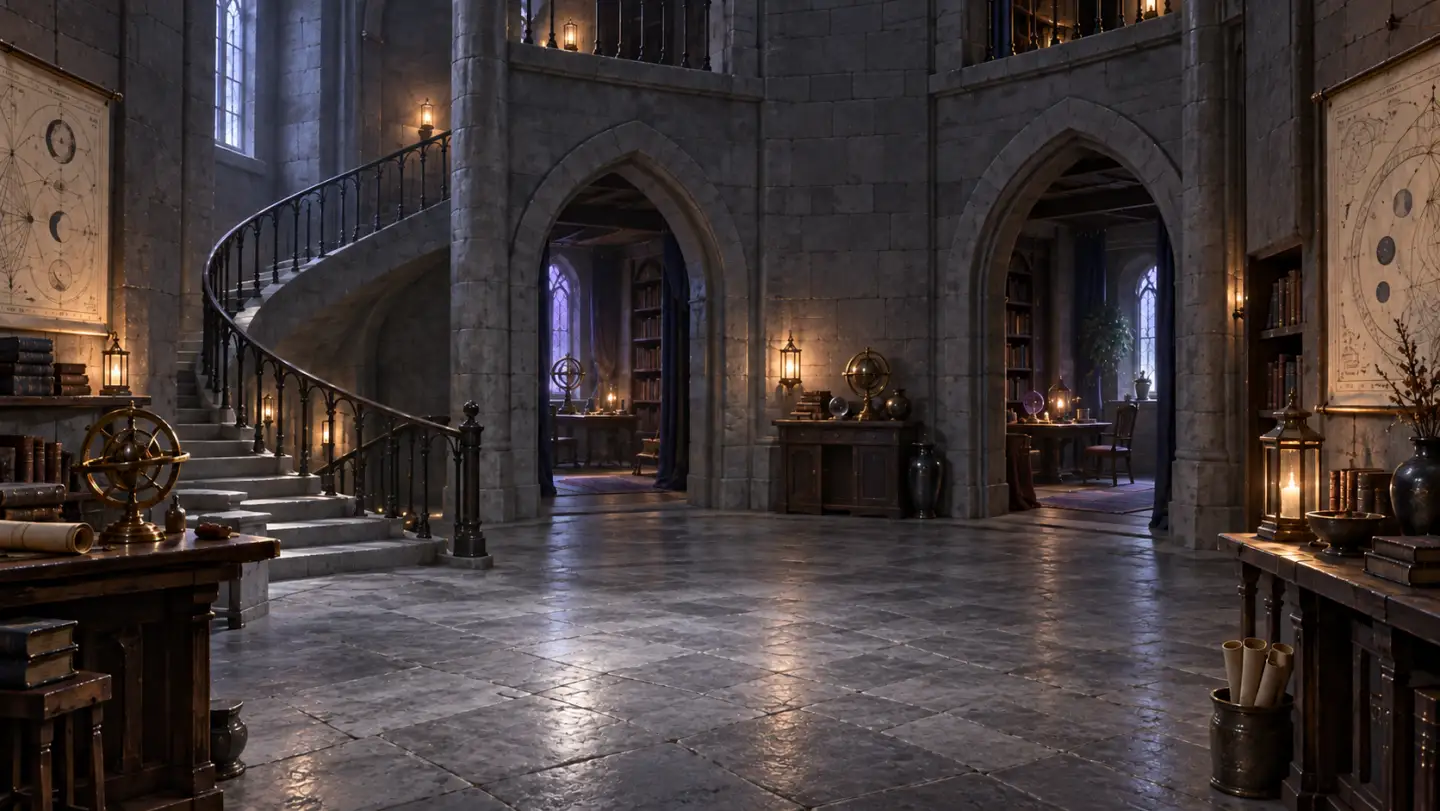

Bound spirits · Planar magic
Sorcerers
An old order surviving its god’s fall. Sorcerers open pathways between planes and bind unwilling spirits into their sceptres.
-
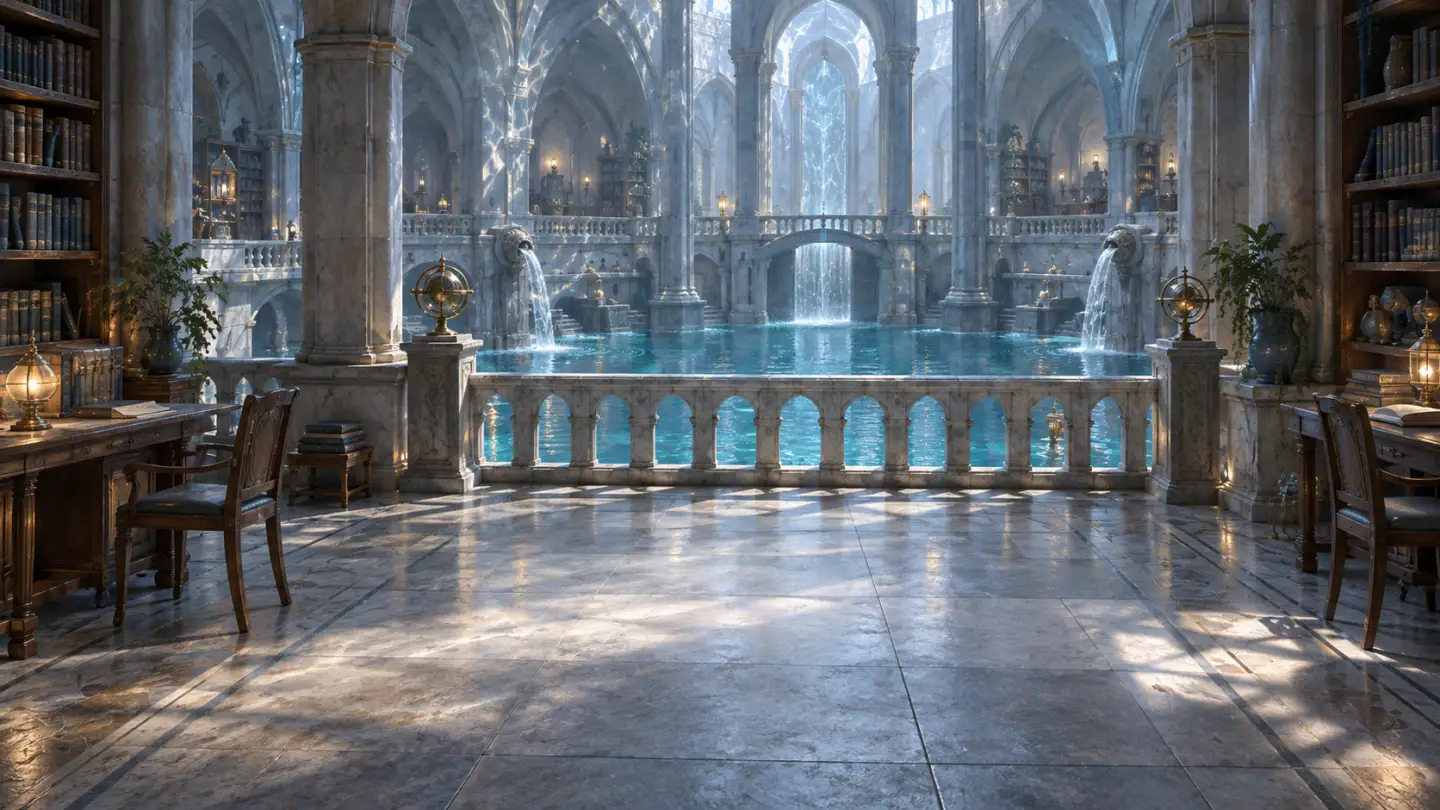

Channeling · Magical defence
Waterpriests
Albila’s armoured channelers preserve an ancient magical art. A shield, a free hand and control of mana make a distinctive defender.
-
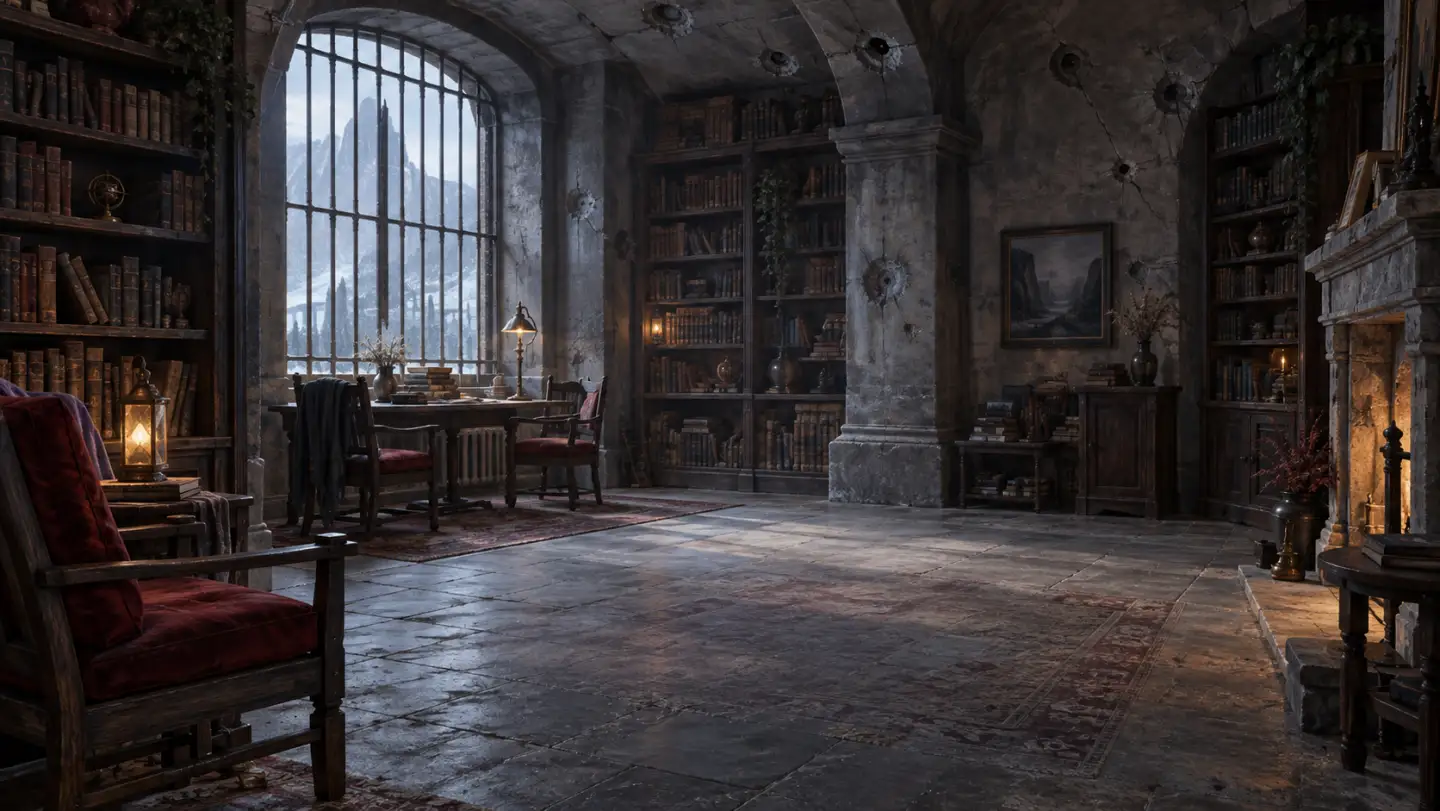

Thought · Telekinetic force
Psionicists
The Infecti turn a dangerous condition into a discipline. Probe a mind, direct invisible force and guard your own mental integrity.
A place in the valley
Find the people
you want to become.
Choose a race and a first profession. Meet your teachers, learn your craft, and find the companions who will come to rely on it.
Icesus is a persistent text RPG. The paintings illustrate its world; you play through words.