
The World
of Icesus.
After the Unraveling, players are rebuilding the provinces and the shrines that keep the valley warm.
See the rebuildingShelter from
the Ice
Icesus is a valley on Aegic, a planet whose old homelands were lost beneath the Ice after a war between the gods. Priests raised the mountains to stop the glacier and created volcanoes to warm the land within. Overhead, a magical barrier keeps that warmth from escaping.
Pine forests and birch groves cover much of the valley, broken by rivers, lakes and cultivated plains. Volcanic heat warms the southern farms and the island city of Cenedoiss. Farther north, the ground gives way to tundra and permafrost. Graemor lies beneath the eastern reaches, its roads cut through stone.
Travellers cross borders as well as rivers. The kingdoms watch their neighbours closely, and many places are older than the powers that claim them. Even so, there are quiet winter mornings, aurora over the fjells and a brief summer when the valley grows green.
Explore the world mapThe mountains
Fire and Earth priests raised these mountains with Dhubr’s aid to stop the advancing glacier.
The volcanic warmth
Fire priests created the volcanoes. Their heat makes much of the valley habitable.
The sheltering sky
Air priests maintain the forcefield that holds in the warmth. Since the Unraveling, province shrines have sustained the renewed barrier.
The Unraveling
When the sky fell
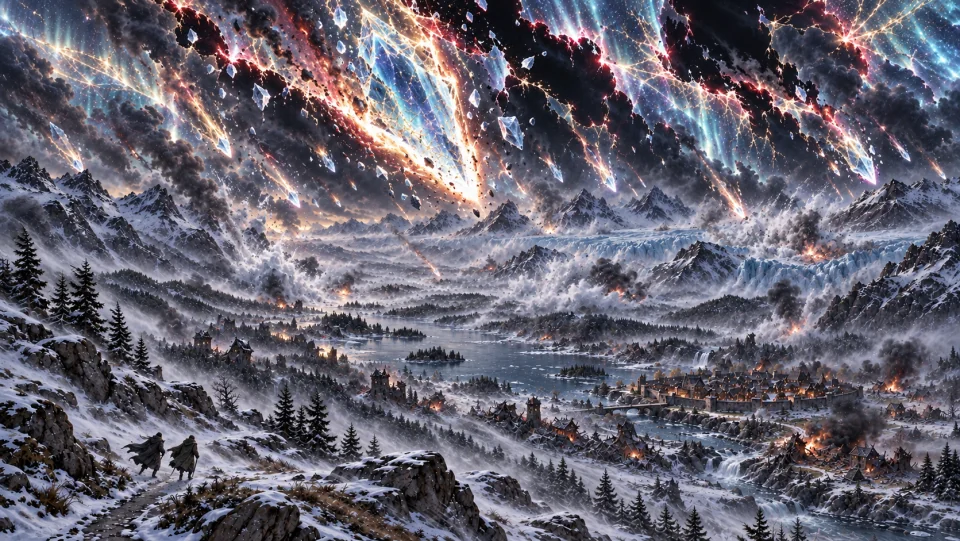
For centuries, the barrier held while people forgot what its ancient shrines were for. Eventually their stored power ran out. The sky fractured, cold poured into the valley, and most provinces were destroyed. The Unraveling came close to ending Icesus.
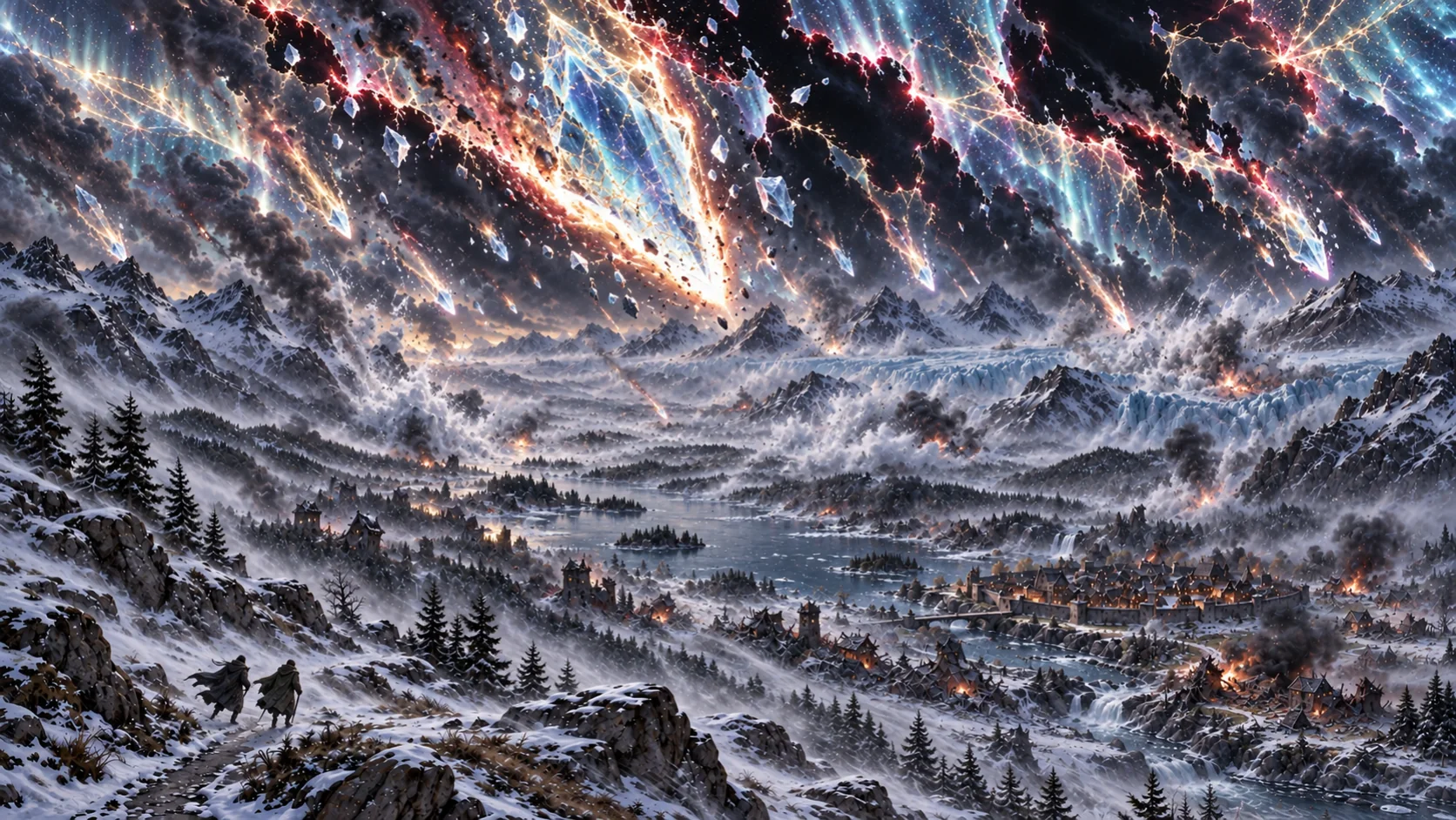
Blue bands and gold threads tore loose from the barrier. Fragments burned across the sky like meteors, followed by the ice the canopy had held back.
The barrier begins to fail
At first the canopy flickered. Frost crept along walls, and people heard crystalline cracks overhead. Ice creatures broke through at the edges. Then whole sheets tore free. Blue-gold fragments fell like meteors, with glacial boulders and slabs crashing through the gaps behind them. Where the sky went dark, the cold reached into homes.
The shrines break
Defenders killed the invading creatures and carried their crystallized divine favour to the province shrines. The sacrifices bought time, though too little to save the old barrier. Priests drew it inward to protect the valley’s heart. The strain shattered the shrines and broke ancient seals beneath them. Things imprisoned there since before recorded history were free.
The provinces fall
The awakened entities took the devastated provinces. Settlements and fortifications fell, along with the rule of those who had held them. Defenders fought through the ruins and drove the entities out one by one. Each defeat released power the enemy had consumed. With that energy and the divine favour already gathered, the priests wove a new barrier from the fragments.
Rebuilding under a thinner sky
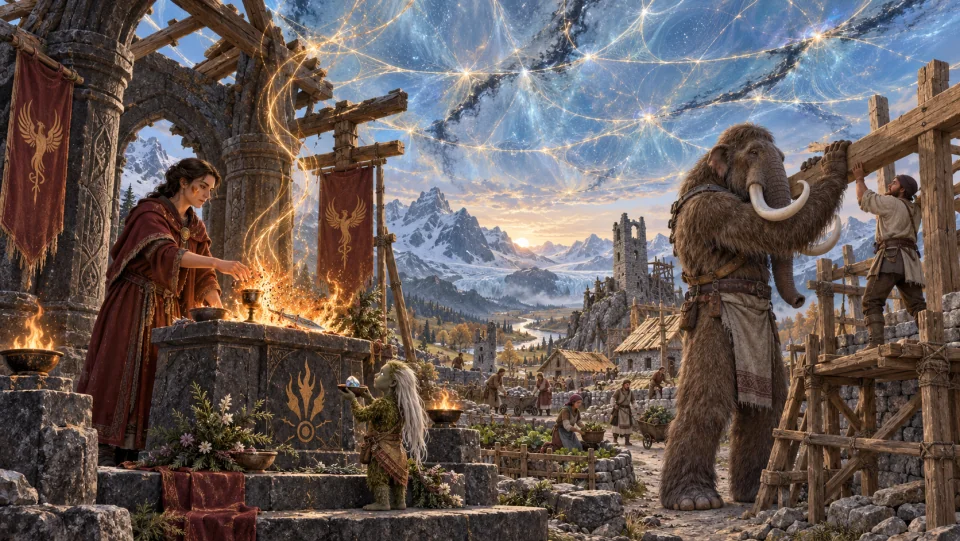
The cold retreated, but the new barrier was thinner and fragile. Players are now reclaiming the provinces beneath it. They restore shrines and build homes, stores and workshops among the ruins. Keeping those settlements warm takes regular offerings. If a shrine is neglected, its protection fades.
The provinces are
being rebuilt.
The Unraveling left most of them in ruins. Players are returning to the land, restoring its shrines and building places to live. There is more to do than any one person can manage.
Raise shelter again
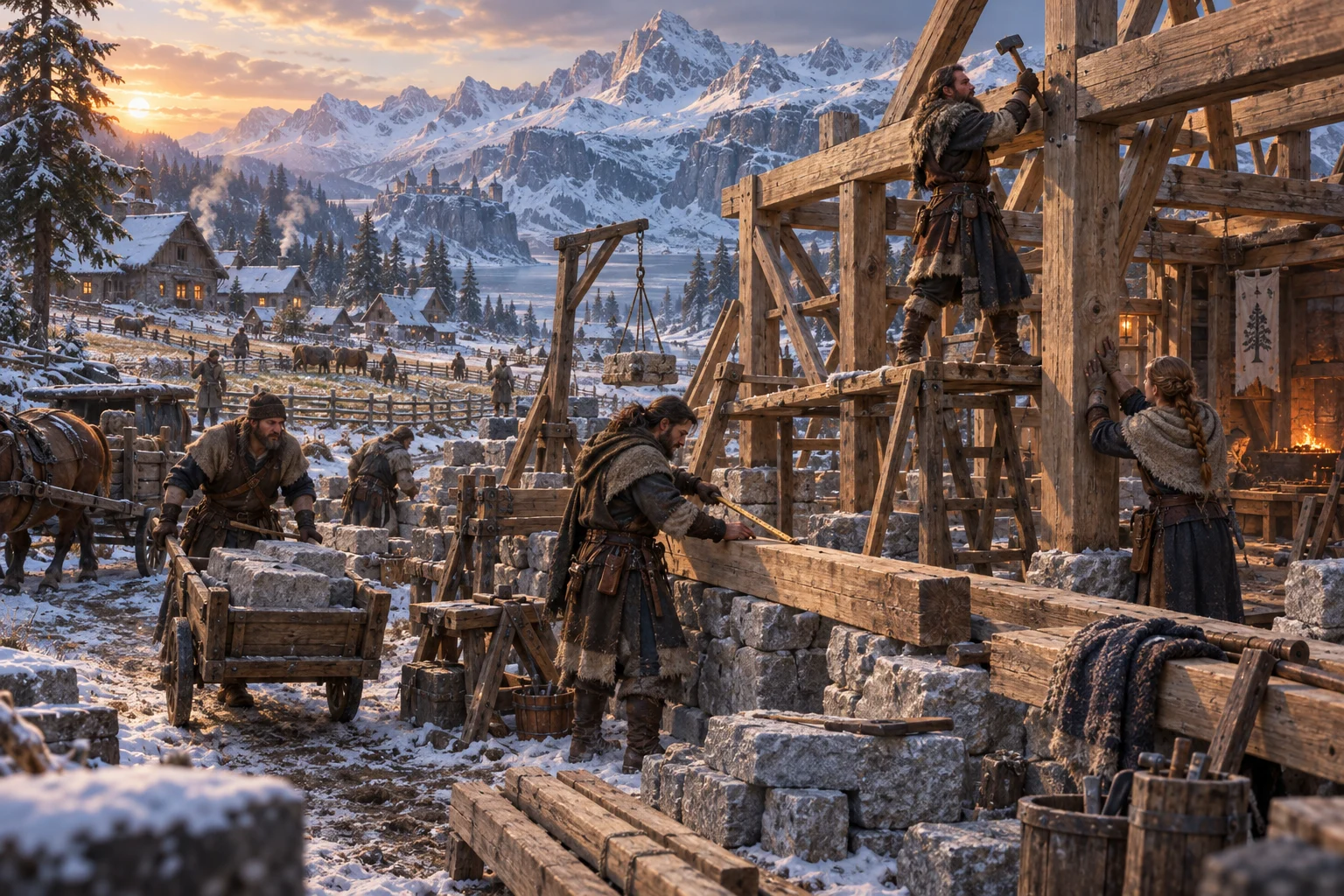
The old settlements lost their homes and fortifications. Players are building on that ground again, bringing timber and stone to construction sites and putting up the homes, workshops and public buildings a province needs.
There is work here before you own any land. Visitors can register as Workers and help a settlement without joining its council.
Build and repair · Deliver timber and stone
Put food away for winter
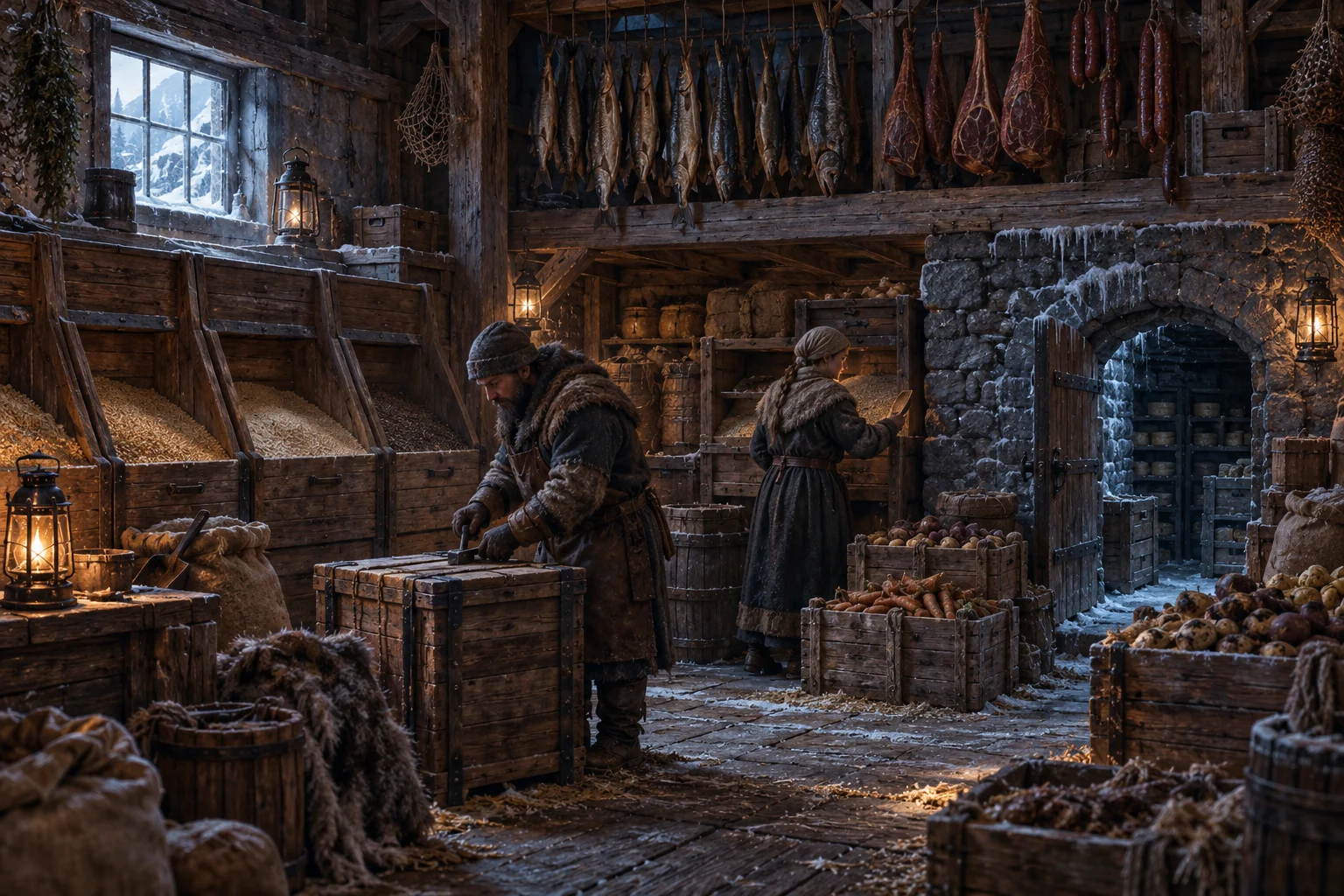
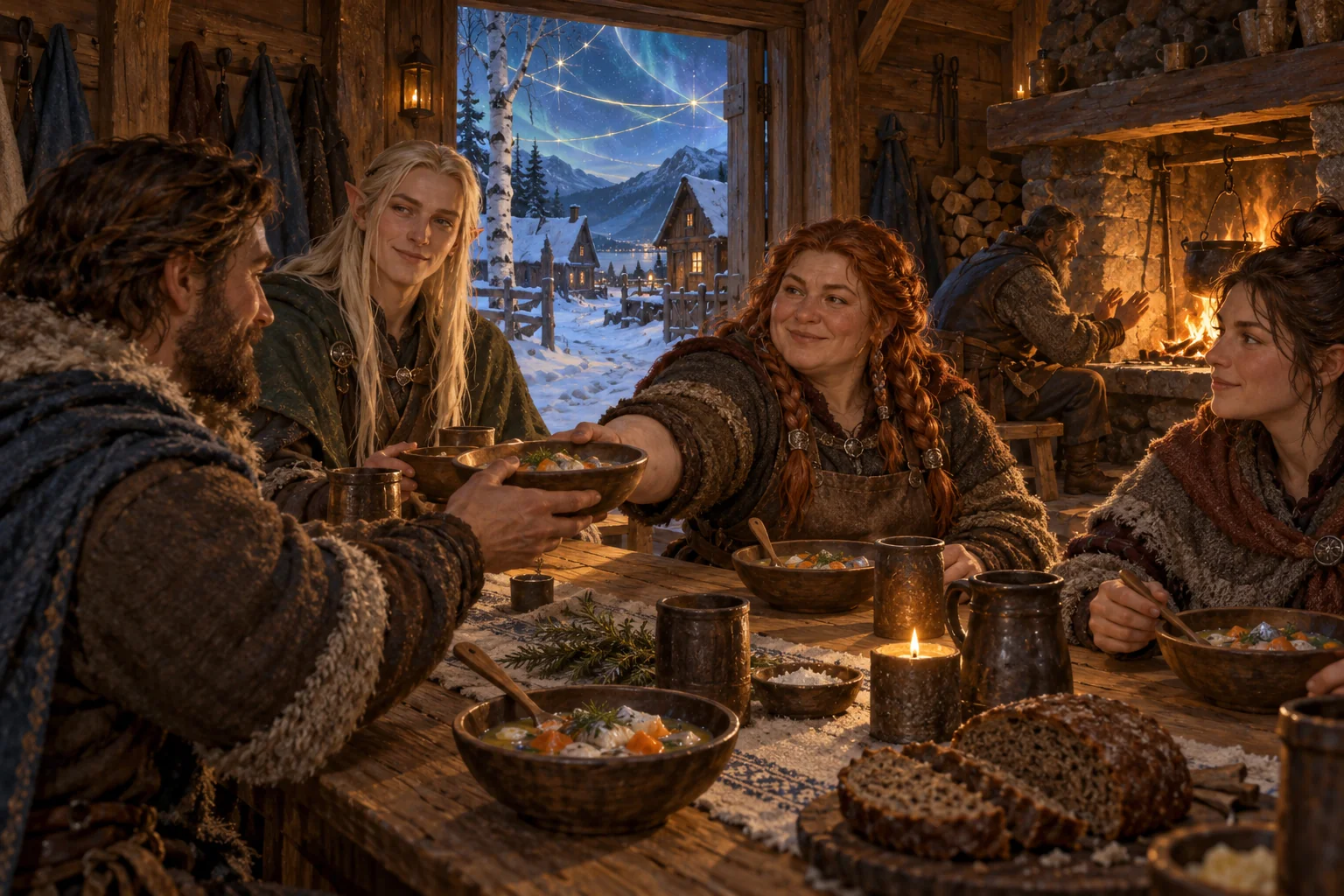
Somebody has to feed the people doing the building. Hunters and fishers bring in food; cooks prepare it, and workers fill the stores. Preserving food makes a good catch useful long after the day it was landed.
A food hall gives the settlement somewhere to eat together.
Hunt and fish · Cook and preserve food
Take a job from the board
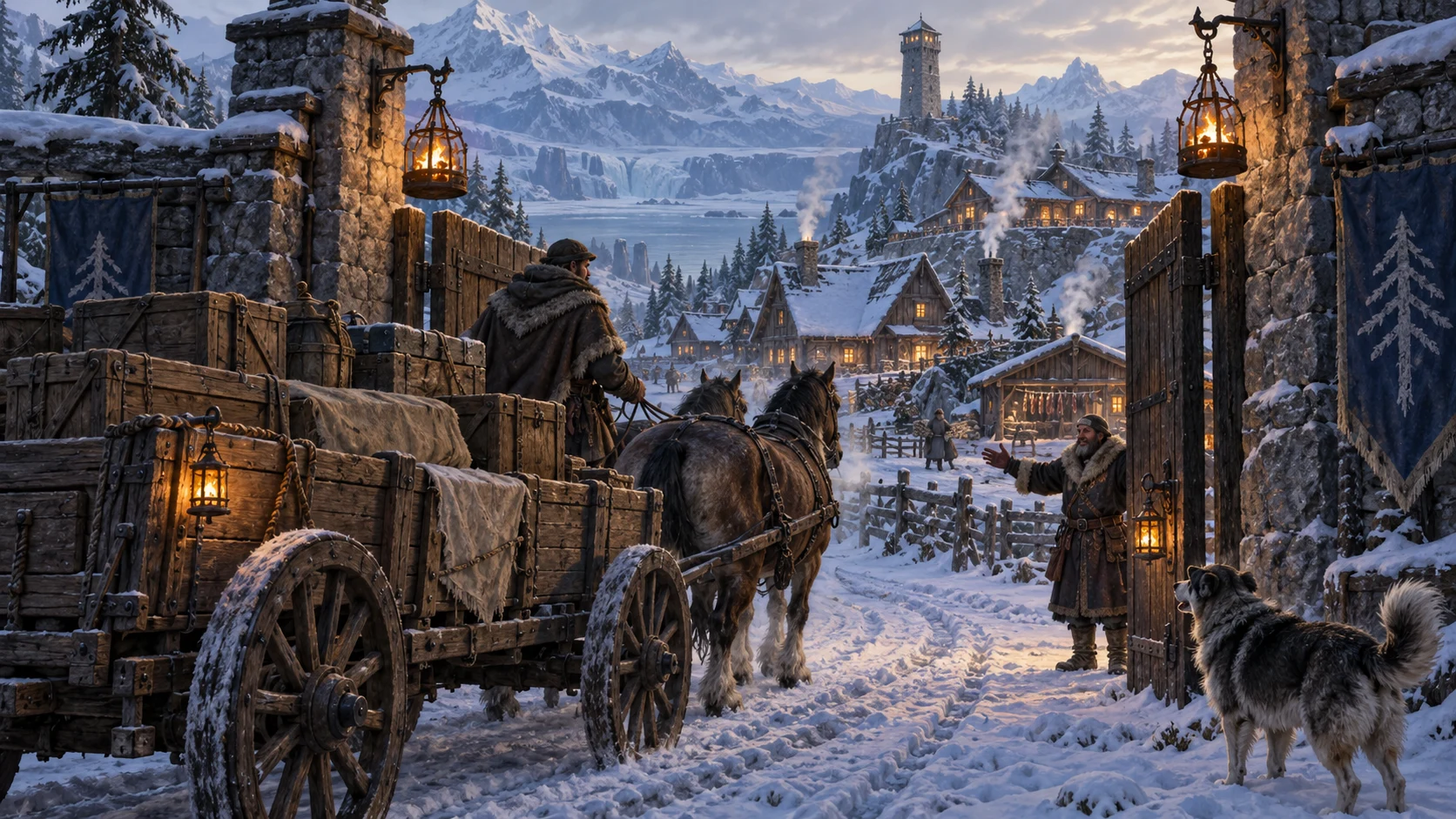
A province board lists work that people will pay to have done. One settlement may need stone hauled to a building site. Another needs food or offerings for its shrine. Miners, craftspeople and haulers all have a place in that work.
The councils organise their own settlements, but the sky above them is shared.
Mine and craft · Haul supplies · Complete board work
Keep the shrine fed
The renewed forcefield depends on province shrines. Sacrifices replenish their consecrated power, keeping warmth in the settlement and sustaining the barrier overhead. Anyone can bring an offering.
Chapels may honour different gods, but their altars feed the settlement’s shared reserve. The flame needs tending as long as people live beneath this sky.
Restore shrines · Bring offerings
Sacrifice and rebuilding
The shrines keep
the cold outside
Every rebuilt province needs a shrine. Sacrifices at its altars replenish the consecrated power that sustains the forcefield. The people living beneath it have to keep that power flowing.
Sacrifice at
the altar
Rebuild a province togetherThe province shrines anchor the renewed barrier. A sacrifice replenishes their consecrated power: a fading ember becomes a steady flame, and warmth returns to the settlement. Each element answers differently. Fire consumes the offering in flame; Air whips around the altar, Water swirls over the stones, and Earth shakes beneath them. Worshippers who give to their own element also earn divine favour.
A shrine needs regular offerings. Leave it untended and its power dwindles until the altar is cold and its protection gone. Chapels in the same settlement can honour different elements; all their altars feed a shared reserve. A sacrifice to any of them helps sustain the barrier above everyone.

Watch the altar’s flame. As the shrine loses power, it dwindles to embers, then leaves cold stone.
The elemental faiths
Five elements. Four living gods.
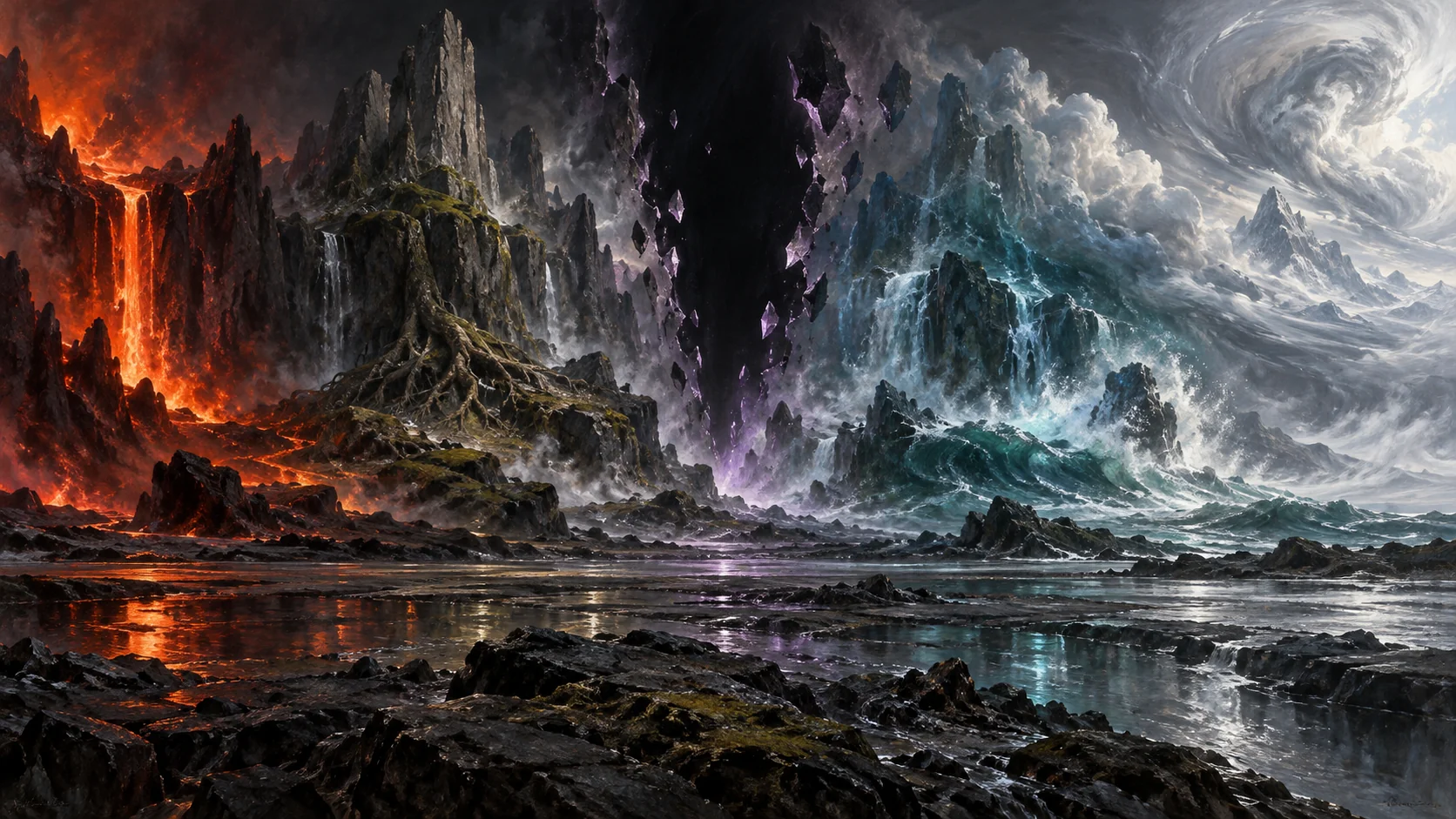
Aegic formed from Fire, Water, Earth, Air and Magic. Four of their gods still answer worshippers. Okka, the god of Magic, died in the war that froze the world. Air’s priests heal the wounded, Earth’s compel the dead, Water’s channel magical power, and Fire’s lead armies. Their rivalries are old, and far from settled.
Pthuule
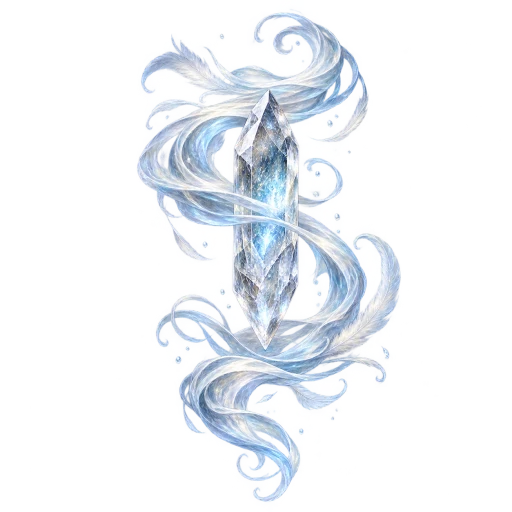
The goddess of Air
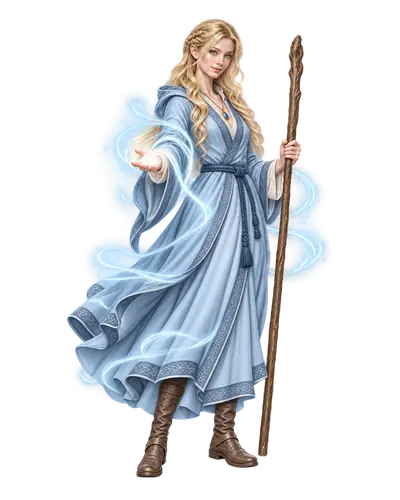
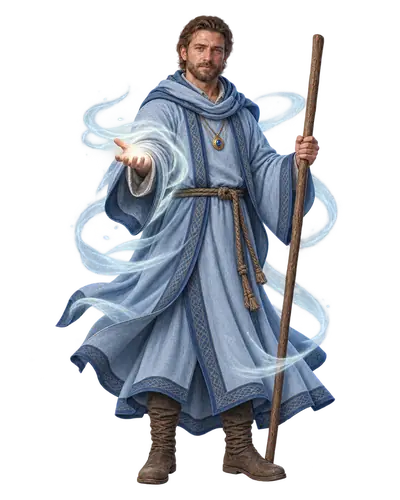
Pthuule’s priests are the valley’s healers. Through the path of Mercy, they mend wounds, set broken bones and restore life. Those who follow Fury wield wind and lightning. Air’s priesthood holds considerable power in Valkor, where the Faith of Elements reaches into everyday life. Air opposes Earth, and the rivalry between western Valkor and eastern Graemor follows much the same division.
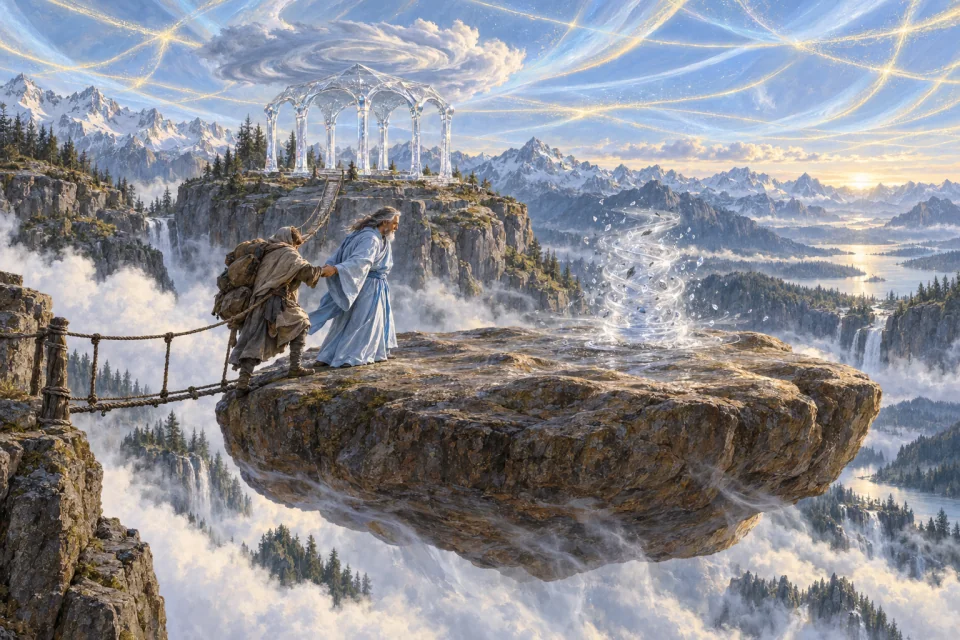
Healing · Mercy · Lightning
In Vaerlon’s blue-marble healing chamber, the Followers of Mercy sit on low stools beside the beds of the wounded. They learn to mend torn flesh and set broken bones. Hymn-singers fill the temple with music and the rooms smell of incense. Alongside their healing work, priests study rituals and preach Pthuule’s faith.
The Followers of Fury train in a chamber blackened by their own spells. They wield Air’s destructive power, wearing the same light-blue robes and white rune as the healers. The Tempest harbingers are among their highest servants. Mounted on windmares, they ride ahead of great storms. Far from the city temple, crystal fragments whirl over Air’s wilderness altar, on a rock suspended by the wind.
Zrammas
The goddess of Fire
During the Interplanar War, Zrammas was driven back to the plane of Fire. Aegic cooled as her power weakened, and the flood froze into a glacier. Her priests later created the volcanoes that warm Icesus. Even kingdoms that distrust them depend on that heat. Fire governs destruction, passion and purification, as well as the forge. Its ancient conflict with Water persists, while a cathedral in northern Atherton has given Zrammas’s followers a growing foothold.
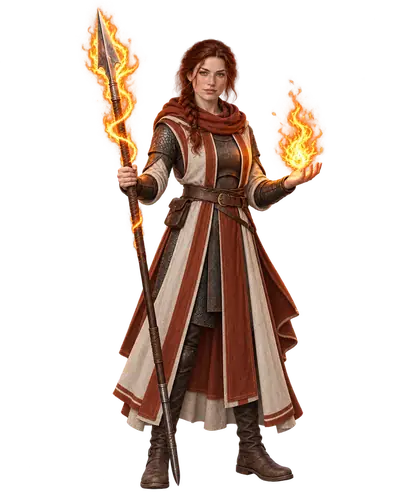
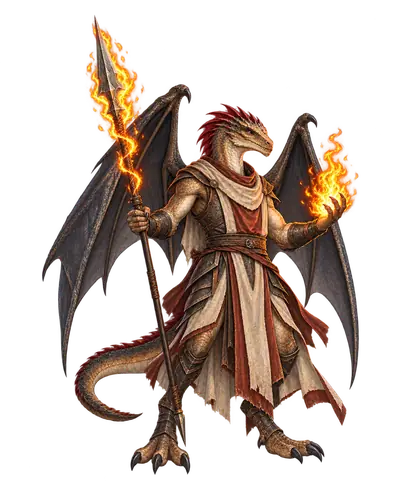
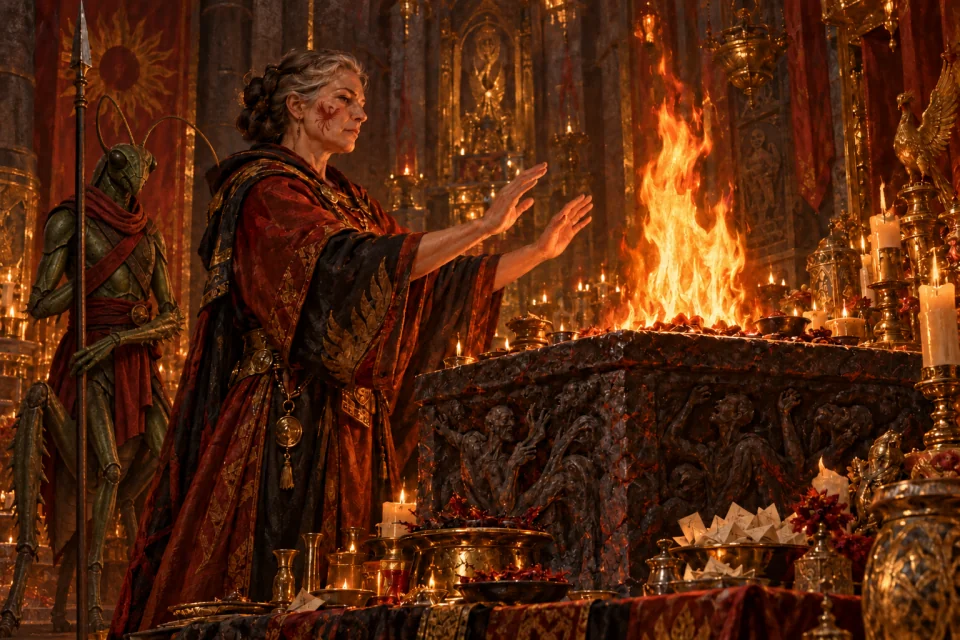
Flame · Purification · The forge
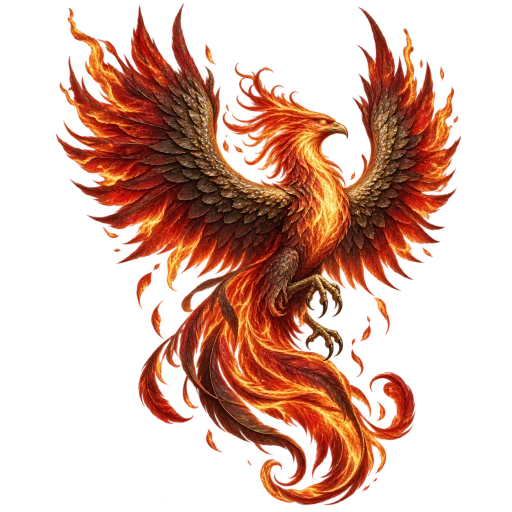
Every Fire initiate receives a phoenix tattoo on the right cheek. To Zrammas’s followers, flame gives life and warmth, and expresses compassion, though they know how readily it destroys. Citizens gather for weekly ceremonies in Atherton’s cathedral. Gifts and prayer papers surround the candles and scripture in its inner shrine. Offerings have blackened the smooth top of the dark-red stone altar; priests meditate beside it, and new followers pledge their faith there.
The Order of the Burning Lance trains warrior-priests with spears and javelins, under images of a lance made of flame. Priests of the Voice of the Goddess learn the sacred texts by heart. They preach on the battlefield, lead armies and throw burning lances from behind the fighting line. Their devotion can be merciless: those they judge heretics face persecution.
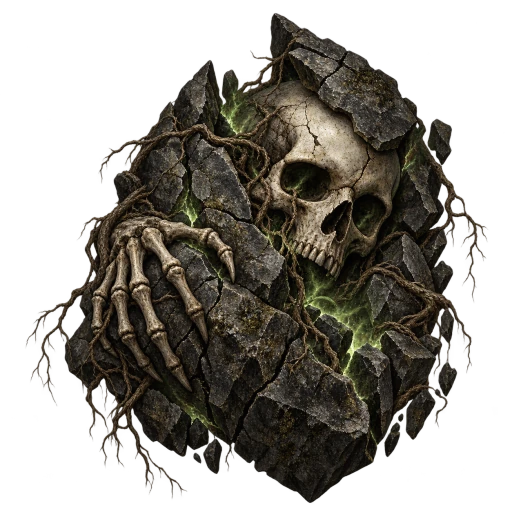
Dhubr
The god of Earth
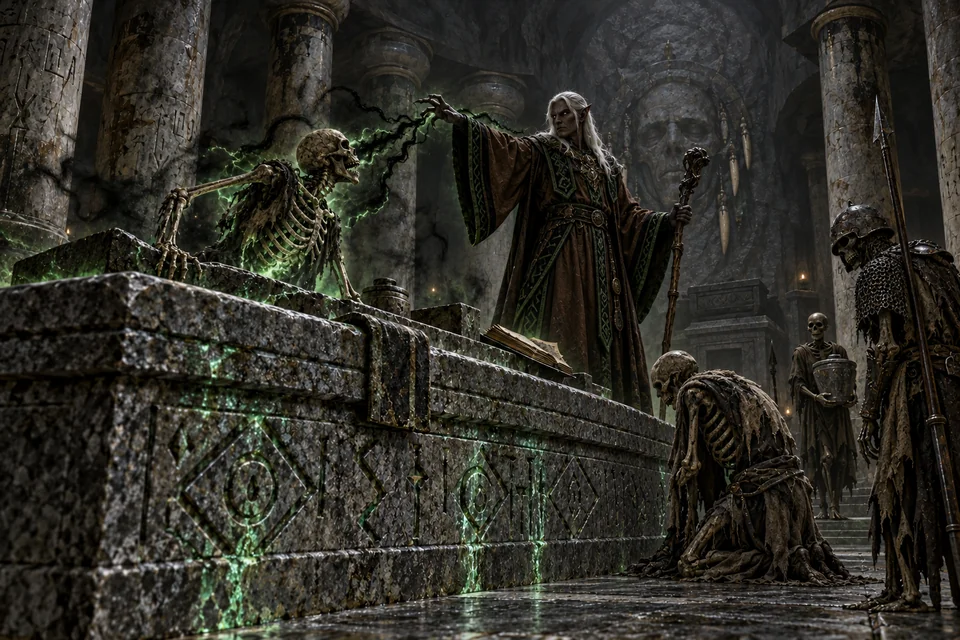
Dhubr helped raise the mountains that stopped the glacier. His power gives stone its strength and makes Earth a source of barriers and protection. In Graemor, his priests use it to command the dead. Undead labour serves the city, and the priesthood holds great political power in the czardom.
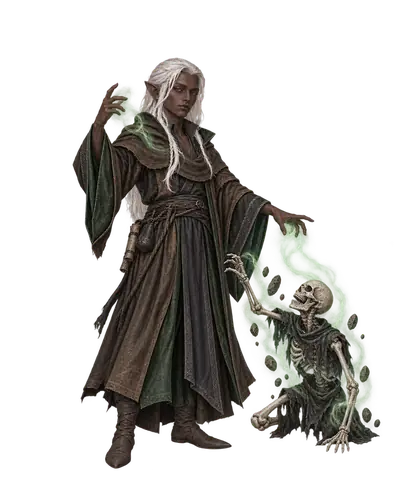
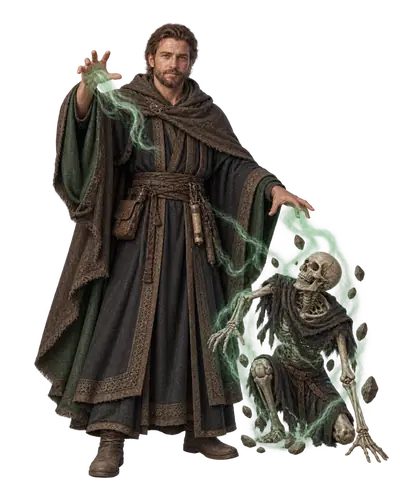
Stone · Endurance · Death
The living share the cavernous hall beneath Graemor’s temple with undead servants following their masters. Apprentices study among caskets, skeletons and anatomical charts, learning to raise corpses and compel them to obey. The corpses keep their wounds and missing limbs. Skeletons are armed as warriors and guards; wraiths take almost human shapes, black except for their burning eyes.
Other Earth priests learn to shape the ground and command nature. The highest clergy master both disciplines, extending their authority from the mortal world into the Nether. Graemor’s order is ruthless. Its undead workers and armies support the czardom while the priests seek greater control over souls and death. They wear brown robes edged in black and green, and worship before a granite altar and an icon of the undead.

Albila
The goddess of Water
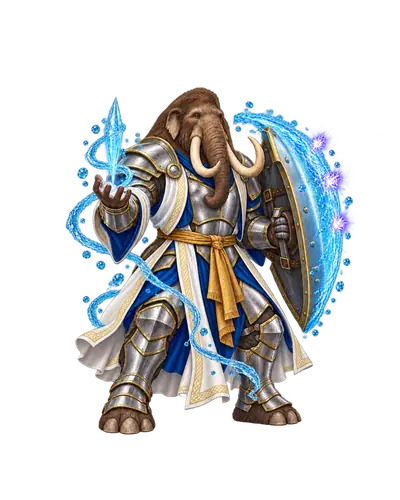
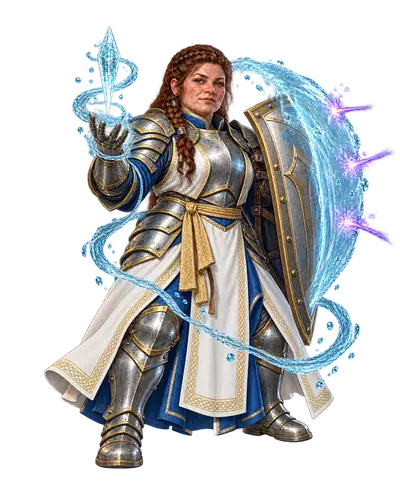
Albila governs cold, purification and the tides. After the war against Fire, she drew power through the rift left by Okka’s destruction. Water poured through with it, flooding Aegic before the world froze. Later, survivors of the destroyed city that preceded Cenedoiss found shelter among the ciloss of Cenedoiss. Both peoples worshipped Albila, and together they built the Grand Cathedral of Water.
Cold · Protection · The tides
Water’s priests kept knowledge from their ancient alliance with Magic. After Okka’s death made magical forces erratic, they retained the means to steady them. The Channelers of Water still study those currents. They shape the power around a person and bind spells for later use. In Cenedoiss’s temple, acolytes work at tables above the great pool, their books open to the sound of rushing water.
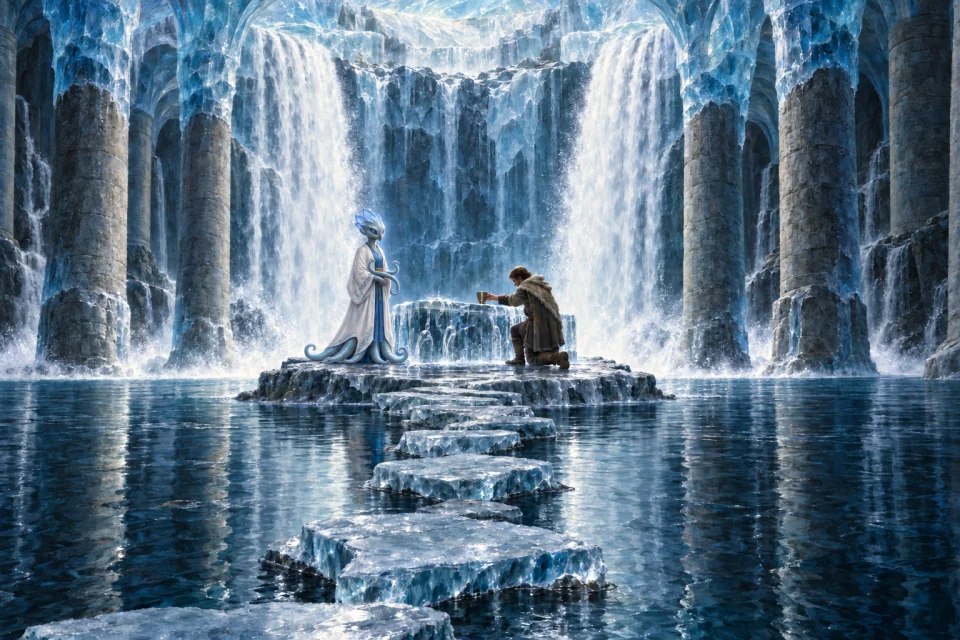
Templars trained the Order of the Blood Magi to defend the priesthood’s allies. These priests fight with elemental life-force drawn from their enemies’ blood. Masters of channeling, blood and defence can seek the teachings of the Blind Seer and her lorekeepers. The priesthood wears azure beneath white. At its wilderness temple, a waterfall parts around the worshippers, and water runs upward over an altar of clear ice.
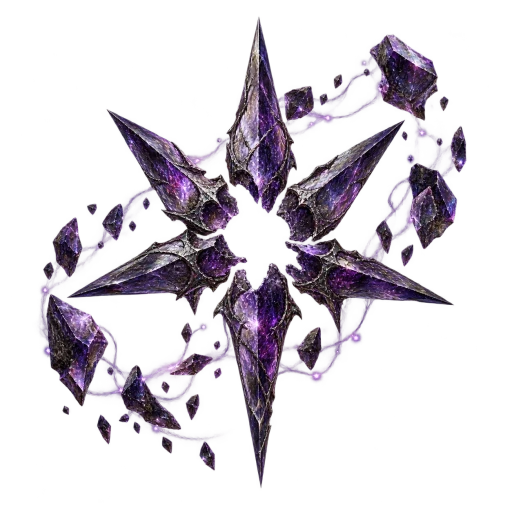
Okka
Magic after Okka
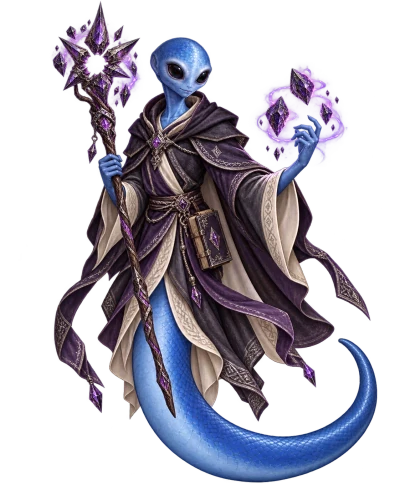
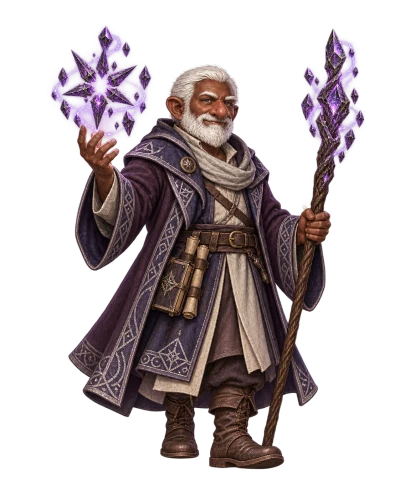
Okka died in the Interplanar War, but Magic remains in the world. It mingles with the other four elements and has no elemental opposite. Mages can still use its power, though there is no living god to answer them. When Magic’s turn comes in the elemental cycle, strange happenings are spoken of in low voices.
Synthesis · Power · Uncertainty
The Book of Awakening tells what became of Okka’s priests. Some died with their god; others went mad. The surviving faiths took in their apprentices. One of them, Llemnar, found that the lesser rituals he had learned still worked. Trying to understand why, he helped open the way for mages to study the elemental forces mingled through the material world.
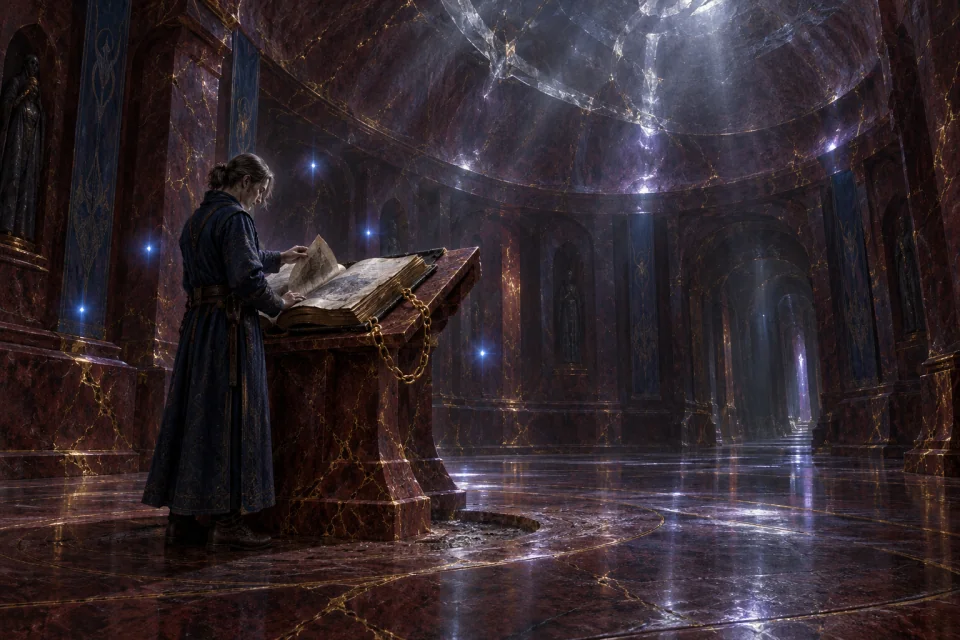
Water’s priests preserve part of the old alliance with Magic. Mages continue to experiment with combinations of elemental power. In the Hall of the Awakening, the great book is chained to a reading stand. Generations of readers have worn the floor hollow beneath it, lit by a silver rune whose light never quite settles.
Curses, dreams and bound spirits
Other orders seek power within a living body, inside a dream, or across the boundaries between planes.
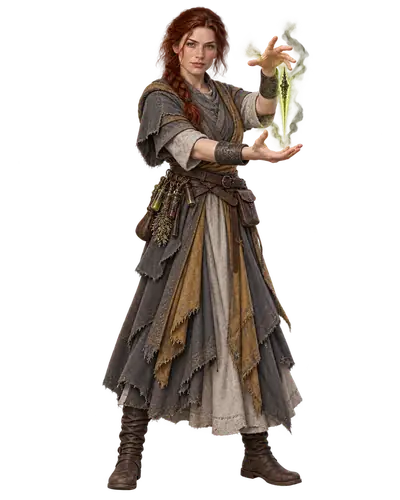
Coven of the Derelict
The Coven began as a refuge for people other traditions had cast out: fallen rangers, corrupted mages and others with nowhere to go. Its witches and warlocks learned to turn the magic that keeps their own bodies alive into poison, feeding it with hatred.
Their curses weaken an enemy. Dreamweavers can torment another mind or restore an ally’s confidence and abilities. Witch-iron wristbands carry the Coven’s destructive touch.
Read about the Coven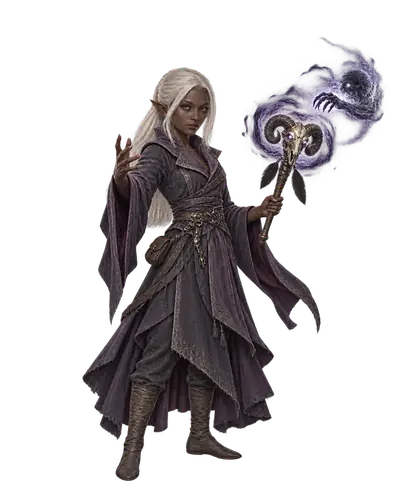
Conclave of Sorcerers
The Conclave’s old masters once followed the god of Magic. After Okka’s fall, they kept practising in exile. Their apprentices learn to draw energy from other planes, especially the plane of Magic.
Conjurers ensnare spirits and bind them to feathered ram-skull sceptres. Energy Manipulators learn to see and redirect the currents between planes. Calling a spirit is only part of the work: the sorcerer must also learn to keep it under command.
Read about the Sorcerers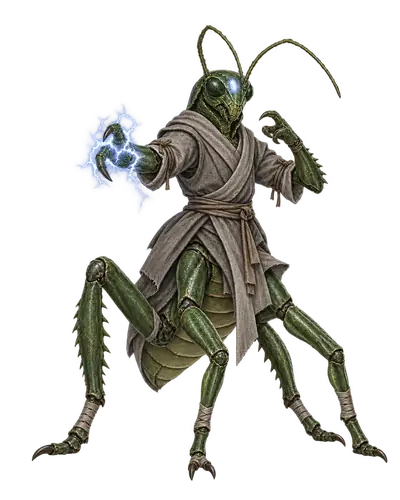
The monks’ Road of Temperance
The elemental cycle is felt in the monks’ fighting forms as well as the temples. In their training hall, students fight atop tall wooden pillars. Balance, meditation and repeated practice teach control over the body and the motion of a fight. A trained warrior monk can face an armed opponent with empty hands.
Some follow the Hand of Gods, seeking harmony with the elemental powers. As the elemental phase changes, so does the power carried through their martial forms. Meditation and the discipline of the body are their way of seeking that understanding.
Walk the Road of TemperanceCities of the valley
Behind the city walls
Peoples driven from their homelands crowded into Icesus. Some built cities together; others settled apart. Vaerlon, Graemor and Cenedoiss grew into rival centres of power.
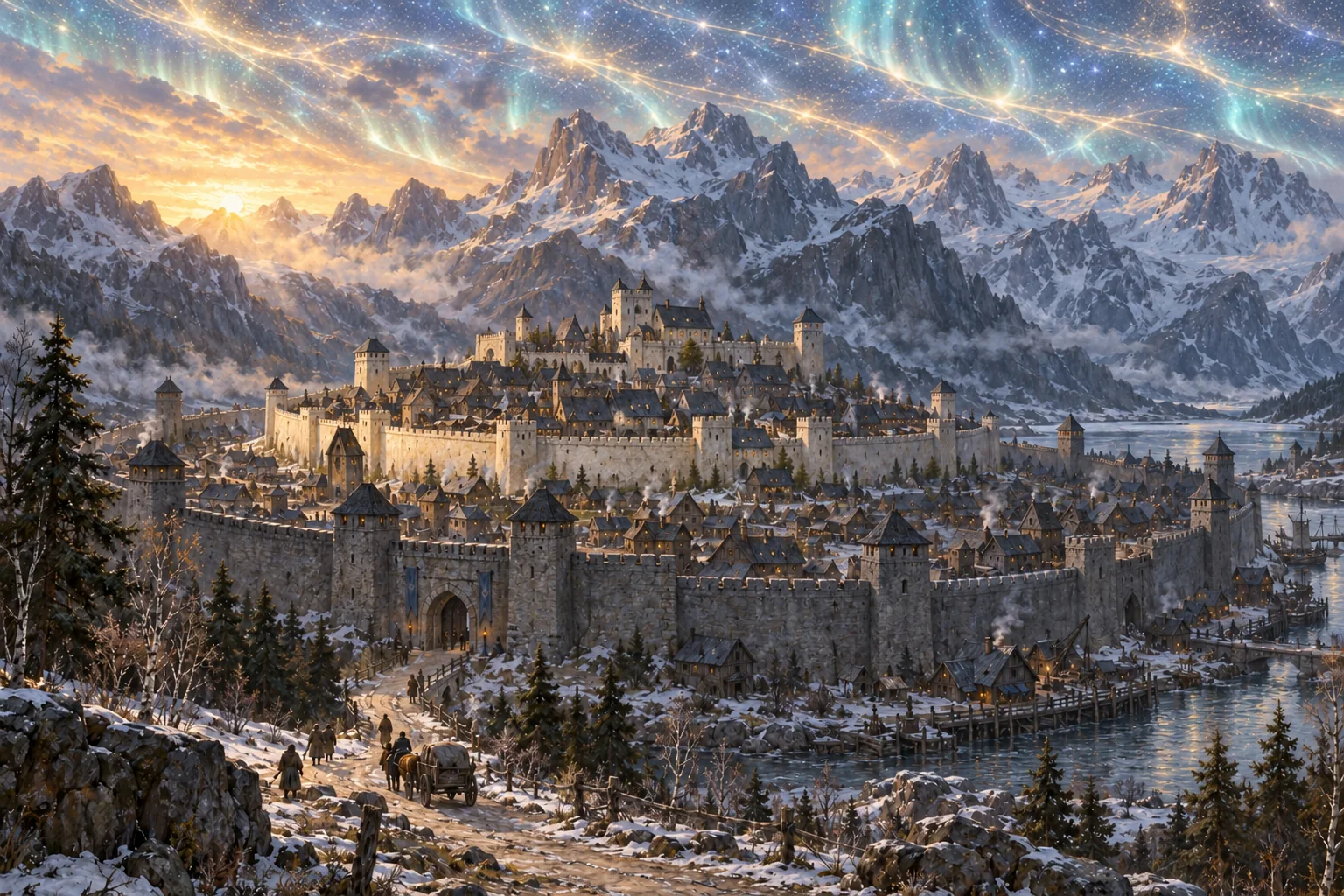
Vaerlon
The capital of Valkor
Elves and dwarves founded Vaerlon together. Its high inner walls still catch the dawn above the lower wall built later around the growing human settlement. Travellers return for its shops and guild halls, or to rest at a temple and pass through the busy central square. Templars enforce the law, but the city’s peoples have never fully agreed on who should rule.
Find Vaerlon on the atlas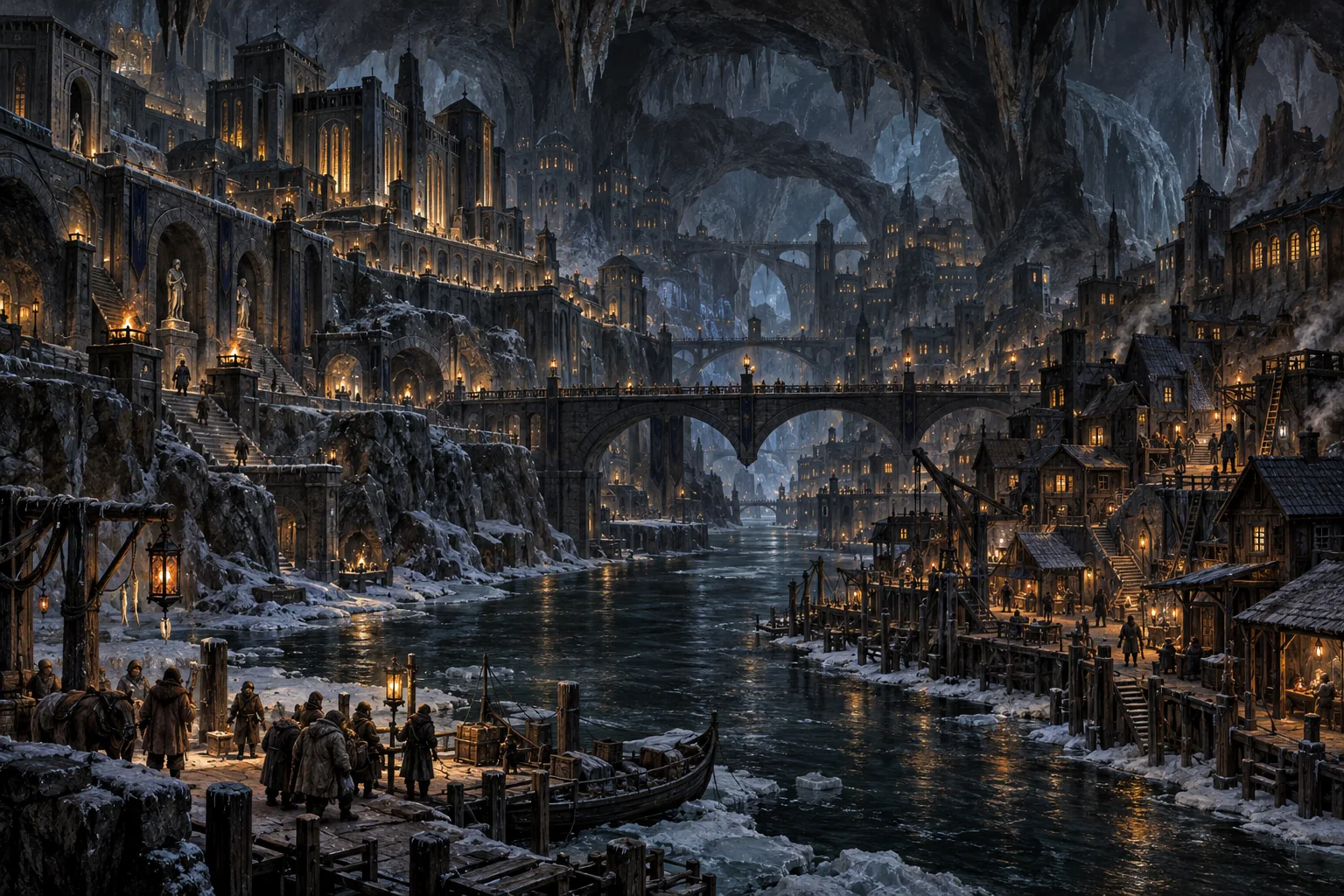
Graemor
The eastern czardom
A frozen underground river divides Graemor’s caverns. Wealthy households and the poor occupy different caves, under the rule of the czar and his barons. Roads and bridges carry the czardom’s influence outward, backed by its armies. Earth priests hold great authority here, and the dead work alongside the living. Shadowdancers helped the czar seize his throne, while the Scions of the Cursed Blood pursue their own ambitions in the city’s shadows. An alliance offers little comfort if it becomes inconvenient to someone stronger.
Find Graemor on the atlas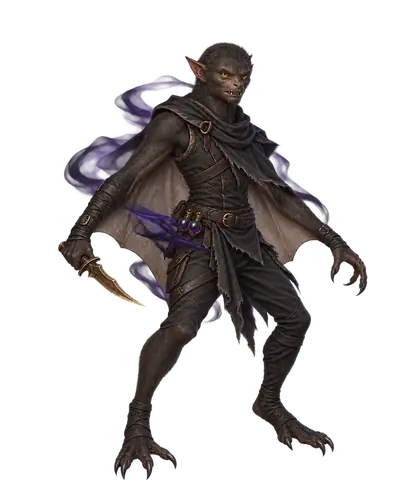
Shadowdancers
Graemor’s assassins helped Kezrhgdel take the palace. Their initiates learn to approach unseen and end a fight with one blow. In torchlit training halls, the shadows themselves seem to move. Reputation determines who rises through the order; even its leaders can be challenged.
Enter the shadows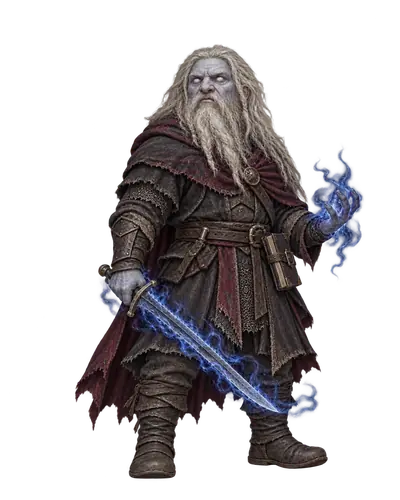
Scions of the Cursed Blood
The Scions are dhamphirs, descendants of the true vampire bloodlines. As those ancient lines weaken, their heirs seek to inherit their power. They study forbidden lore, draw on blood and souls, and learn the dark arts that might make that inheritance possible.
Follow the cursed blood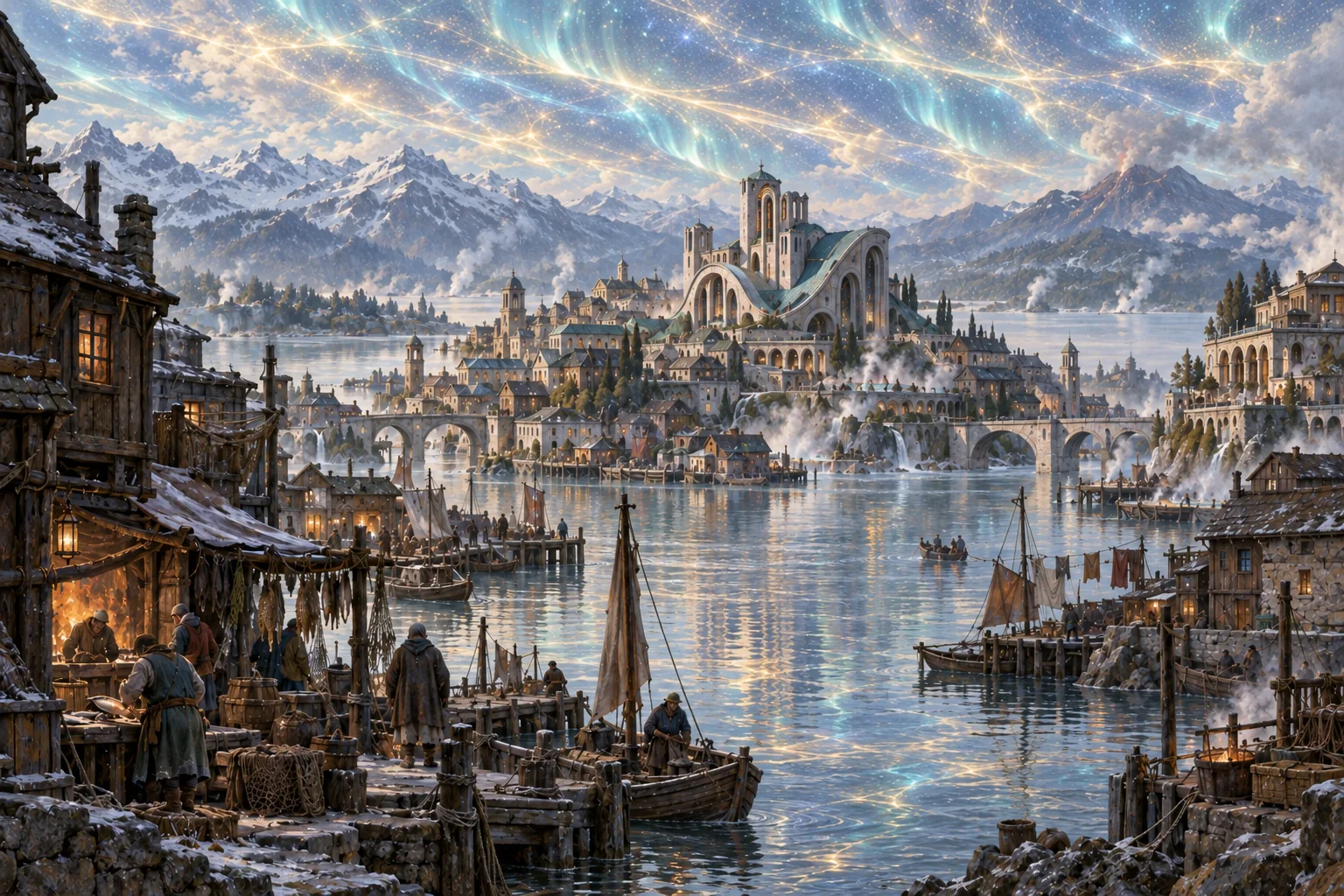
Cenedoiss
The city on the lake
Cenedoiss occupies islands in a southeastern lake warmed by a nearby volcano. Fisheries and mainland farms feed the city. The ciloss took in survivors of the earlier city’s destruction. Their shared worship of Albila led to the Grand Cathedral of Water. Noble houses now compete at court and bathe in water from the hot springs. Many ciloss live in the poverty of Mudtown. Cenedoiss guards its neutrality between Valkor and Graemor.
Find Cenedoiss on the atlasThe six kingdoms
The glacier leaves little room for retreat. Valkor and Graemor compete for the same valley, the northern peoples resist southern rule, and old allies keep secrets from one another. All of them depend on the sky holding.
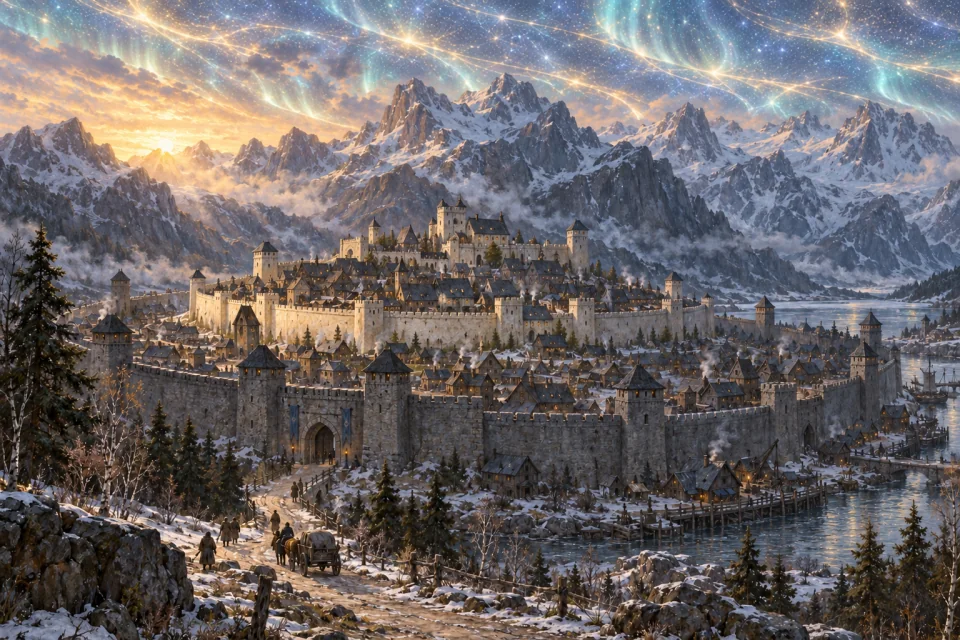
Valkor
Vaerlon’s walls began as an agreement between elves and dwarves. Human armies later expanded the kingdom, and humans now dominate its rule. The old partners have not forgotten.
Air temples and Templar patrols keep order in the west. Behind that order, rival nobles contest the succession. Eskara resists Valkor’s advance north; Tyranus raiders threaten its southern border.
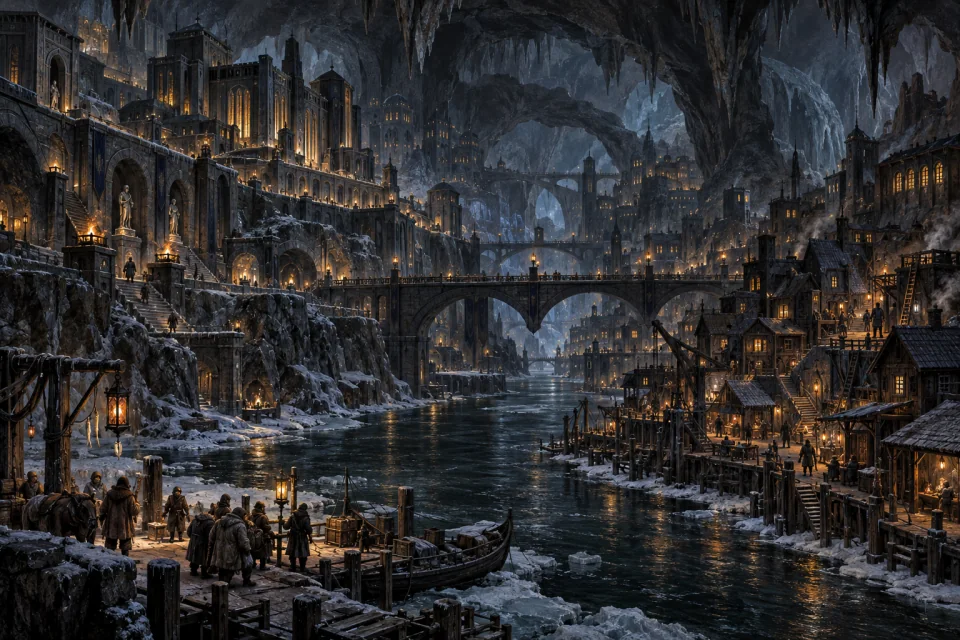
Graemor
The dead work in the czardom’s caverns and march in its armies. Dhubr’s necromancers have helped Czar Kezrhgdel build a realm where strength decides who rules.
The czar’s telepathic reach makes secrets dangerous. His barons still scheme, while new roads and bridges carry Graemor’s power beyond the caves. Mahrakc’s fortified river crossing guards the way into the east.
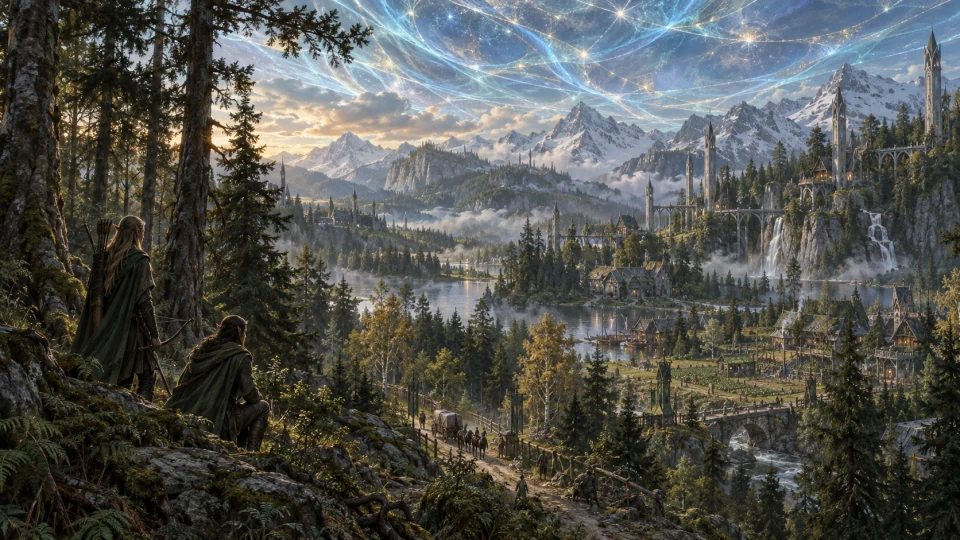
Silverspire
The elves of Silverspire prefer to know a rival’s intentions before armies start moving. Scouts, spies and hidden troops help the kingdom stay neutral between Valkor and Graemor.
Its woodland settlements live by farming, hunting and trade. Khazakul shares their defence. That alliance gives Silverspire protection, but its informants leave neighbours wondering how much the elves already know.
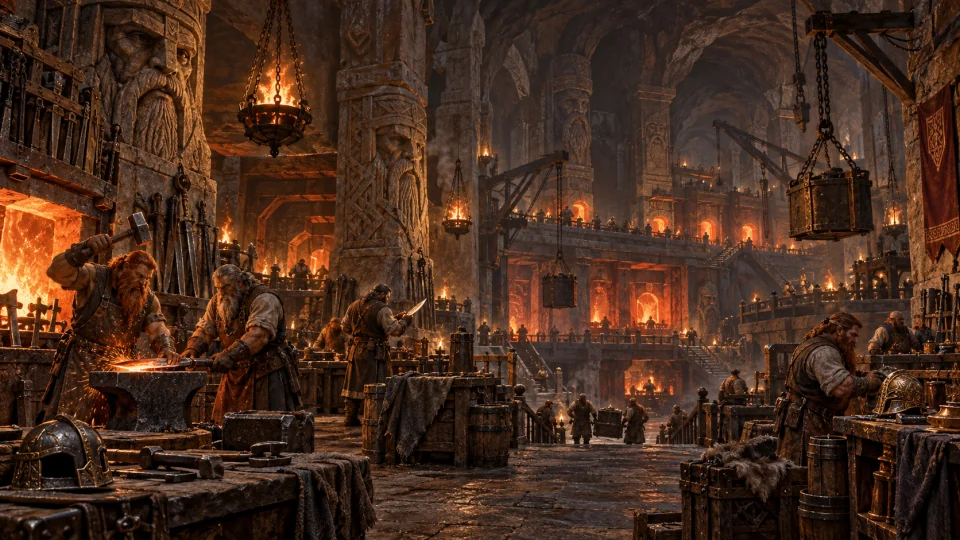
Khazakul
The dwarven warrior-smiths held their ground in the old wars. Their descendants still live in the mountain halls of Ember Valley, tending forges and remembering the ancestors who defended them.
Fire means the forge here. Craft, clan and long memory govern daily life. Khazakul’s warriors are few, but its berserkers are feared. Outsiders do not quickly earn the trust that Silverspire enjoys.
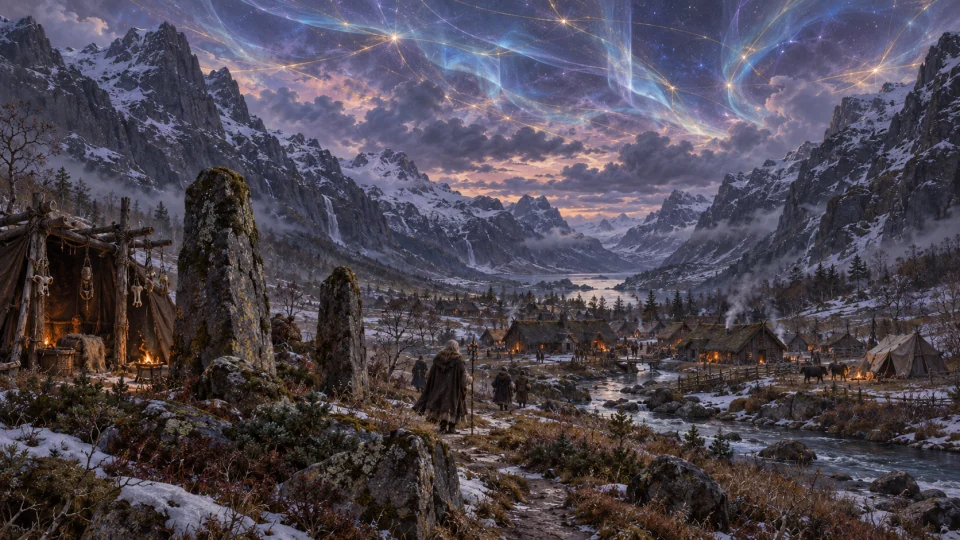
Eskara
A witch-queen rules from a valley hidden between two fjells. Women hold power in Eskaran politics and justice; witchcraft, seers and the Old Ways shape life far beyond the queen’s court.
Valkor’s missionaries and armies meet resistance in this country. Eskarans know the northern ground, and they do not freely share the paths to their heartland. Spirit-stones and bone fetishes belong here as surely as southern temples do elsewhere.
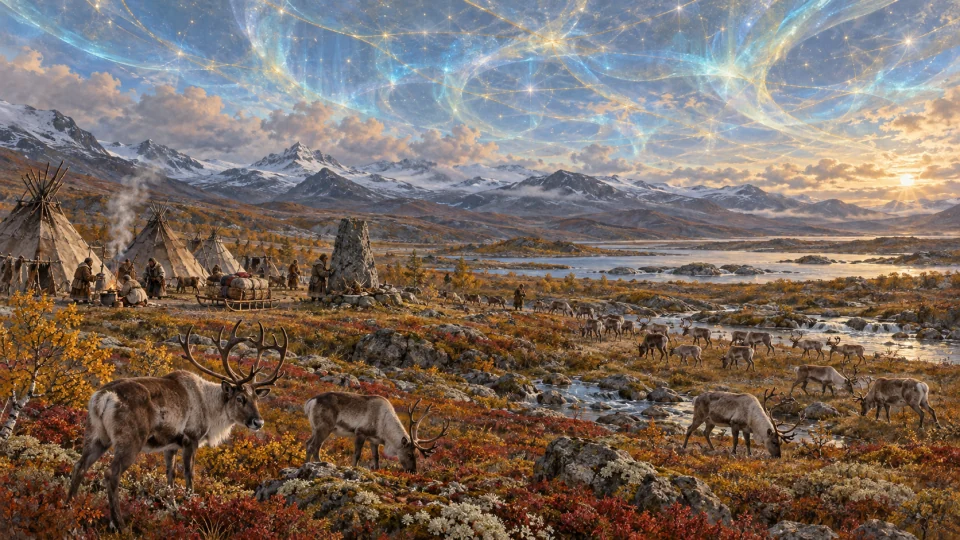
Gaesati
Reindeer herds decide when the camps move. The Gaesati follow summer and winter pastures across the far north, sharing property and choosing leaders when the community needs them.
Animal spirits and seita worship are part of that life. Trade with the south has brought goods, but also priests who condemn those beliefs. The herders have endured pressure from both Eskara and the elemental faiths without giving up their homeland.
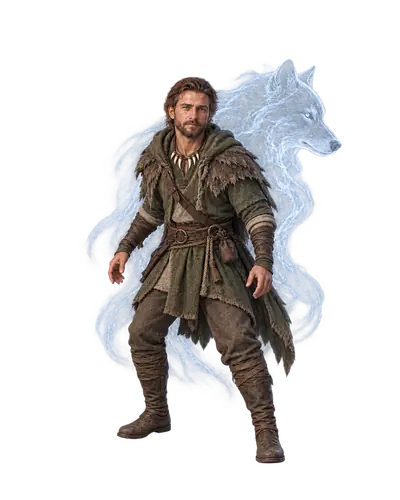
Among the Gaesati
Walmor’s changing shapes
Some Gaesati follow Walmor, the ever-changing, whose gift lets them become other living things. They train in secluded glades, taking the forms of wolves, bears, birds and even trees. At carved totems, a shapeshifter honours a kindred and learns to live and fight as one of them.
The change takes years to master. Learning the shape is only part of it; the beast’s instincts and rage demand self-control. Kindreds also teach cooperation, whether their members hunt as a pack or stand rooted together.
Meet Walmor’s followersBeyond the crowns
Some peoples answer to a city, a clan or a hive. Others live by taking what the kingdoms cannot defend.
- Cenedoiss
- Volcanic warmth keeps the island city’s lake open. Ciloss and human noble houses compete for influence, while Water priests defend a neutrality that worries both Valkor and Graemor.
- Stormlord
- Firbolg clans hunt the northern mountains under the name of their legendary god-hero. They are few, but their warriors combine patience and stealth with enormous strength.
- Tyranus
- Eye tyrants rule the Hegemony from the Glimmering Gates. Their economy depends on slavery, and their raids make the southern border a place where capture can be worse than death.
- Bloodaxe
- Orc war-bands hold the volcanic wastes. They build fortifications as well as raid, and the prospect of a horde marching north can bring quarrelling neighbours together.
- Mantis
- Thri-kreen communities build with chitin and web-silk in the warmer south. Pheromones carry meaning between them; their collective life is difficult for outsiders to understand.
- Bandits
- Loose outlaw bands survive through ambush, raiding and scavenging. They have no fixed capital. A road too far from a patrol can become their territory for the night.
A shared council,
even across old borders
The Unraveling left more ruined settlements than the old rulers could maintain. A Valkorian and a Graemorian can now sit on the same player council. They may disagree about who should rule the valley, but their province still needs food, roofs and offerings at its shrine.
Build a province togetherThe outworld
Beyond the
city walls
Between the kingdoms lie pine forests, open meadows, swamps and long stretches of tundra. Rivers cut across the roads; mountain passes lead towards the Ice. You can spend a journey hunting, searching for a forgotten place, or finding somewhere to camp before nightfall.

Choose your own route
Roads, paths and bridges carry travellers, traders and patrols. Farther out, the terrain determines what you can see and what you might meet. Survey the surroundings for landmarks, follow a trail into the forest, or look for a way into an abandoned mine. Ruined cities, remote temples and isolated villages wait beyond the familiar routes.
Northern camps need shelter from the cold. A fishing spot’s catch changes with the weather and time of year. Hunt the local game, gather herbs and mushrooms, or collect firewood and make camp. Food and hides can go back to a settlement, and a good camp gives a tired party somewhere to recover.
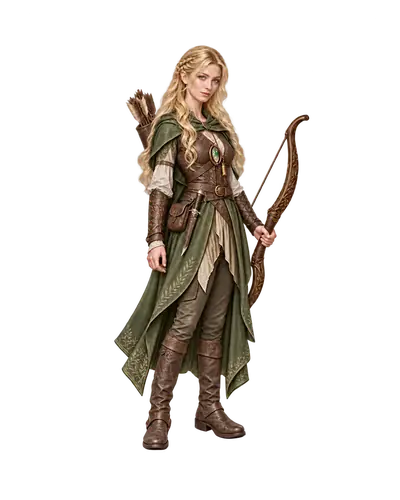
Rangers of the Elements
A life among the trees
Rangers make a life of exploring and protecting the world outside the walls. Their candidates train in a grove, learning the uses of plants, the ways through wild ground and spells drawn from nature. Hunting and woodcraft matter alongside their weapons.
Some become archers; others fight with paired blades or learn to pass unseen. For many, learning the land is the reason to keep walking: which plants grow in a clearing, where the game shelters, and what lies beyond the next ridge.
Explore the ranger fellowship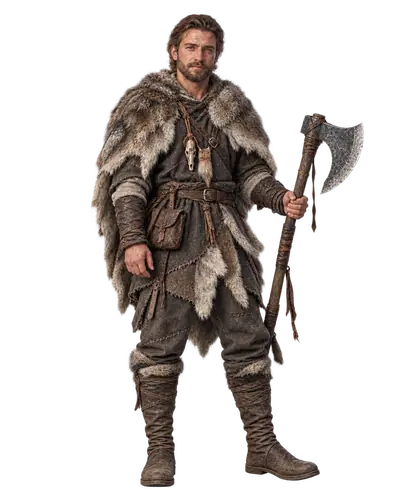
Wilders of Aegic
A home they can carry
For the Wilders, the wilderness is home. Their ancestors survived beneath the glacier, following ice crawlers to herds buried in the ice. When they finally reached Icesus, the kingdoms had already divided the land. Rather than accept servitude, they became nomads.
A Wilder camp can be packed and moved. Warriors train one another, and totem altars mark places where the clan has worshipped. Those offerings give the totems strength. Experienced Wilders can leave the physical world and sense distant shrines through the sacrifices held within them.
Learn the Wilders’ waysThe history
of Icesus
From Aegic to Icesus
The ice did not arrive as a natural winter. A war between gods drowned the world, then froze it. The people who reached the plain of Dhasus survived by raising mountains, making volcanoes and sheltering beneath a sky of their own.
Before the Ice
When the gods came to Aegic
The five elemental planes collided for an instant. Their mingled forces became the material universe, and life first appeared on Aegic. Its peoples were born amid that disorder; some still carry strong affinities with the element that surrounded their birth.
The gods followed and resumed their wars. Mountains rose and fell around the mortals caught between them. The first priests finally offered worship in exchange for peace. It held for centuries.
When the Red Wind rose against that peace, the priesthoods founded the Templars. Their knights swore on the Elica Stone, a gem holding all five elements, and broke the rebellion.
The coming of the Ice
The war that froze the world
Okka falls
Albila and Okka went to war against Zrammas. The god of Magic was destroyed. The goddess of Fire withdrew to her own plane, wounded and weakened.
The water rises
Okka’s death tore open a rift. Albila drew power through it from the plane of Water, and a vast stream poured into Aegic. Cities and empires flooded.
The flood becomes a glacier
With Zrammas gone, Fire weakened throughout the world. The planet cooled. The waters froze, and the advancing Ice drove the survivors towards the equator.
The first refuge
A last stand
on the plain of DhasusRefugees arrived with the glacier close behind. Fire priests proposed the refuge; Earth priests and Dhubr helped raise the mountains around it. Volcanoes heated the plain, and the forcefield overhead trapped their warmth.
The heat also melted the ice nearest the mountains, keeping the glacier from grinding the new walls away. The survivors named the valley Icesus. They had saved their lives. Their old homes were gone.
Years 139–144 · The new count
The refuge divides
Priests first led the scattered settlements. Old enemies had fled the same disaster, but living close together did not erase what lay between them. Their hopes of one united religious state gave way to new alliances and borders.
Queen Eriliane’s elves and Prince Gurzum’s dwarves built Vaerlon together. Its shining walls were completed in year 139 of the new count. Five years later, a victory against a dark elf and orc army led to the founding of Valkor. Other kingdoms claimed their own ground in the valley.
The Unraveling & the rebuilding
The sky breaks.
The work begins again.For centuries, the barrier held while its old shrines went untended. Then came the Unraveling. The canopy fractured, the shrines shattered, and ancient prisoners rose beneath them. Most provinces were destroyed.
Defenders defeated those entities, and priests used the released power to weave a thinner barrier from the fragments. Players now reclaim the ruins, build homes and keep the shrines supplied with sacrifices. This refuge has to be maintained by the people living in it.
Meet the settlements rebuilding now
Everyday life
Making a living
in the valley
Hunters and fishers supply food and hides. Craftspeople turn timber and metal into things the settlements need, and merchants carry the goods between them. You can cook a meal to share, furnish a house or help a province grow between journeys into danger.
Waking
Melting · Birth
Living
Warmth · Growth · Heat
Waning
Harvest · Withering
Sleeping
Chill · Snow · Cold
Your story in the valley
Come into
the valley
Join a priesthood, train with an army, study magic or take up a craft. There are wandering fellowships too, and reincarnation lets your character begin another life on a different path. You can explore with other players, build a home and help reclaim a province. The valley needs people willing to stay and look after it.
Free to play · In your browser · A world shared with other players