
What this guild is about
Attend to the lives around you.
Keep a wounded company on its feet, draw poison from the blood and turn the surrounding air against an enemy. Pthuule's priests learn that the same element can sustain a life or steal its breath. Their calling rewards attention to other people as much as knowledge of spells.
An Airpriest's most important question is often who needs help next. A fighter can survive another exchange because you healed them; a party can continue because you treated what the battle left behind. That responsibility sits alongside a less gentle truth: air also carries violent power. The priesthood gives both impulses a place, with Followers of Mercy dedicated to healing and Followers of Fury studying destruction. You can see the difference in their teaching chambers. Choose this calling if you enjoy reading a changing fight, making timely decisions and feeling your contribution in the continued survival of the people beside you.
You might feel at home here if…
- Watch your companions as closely as your opponent.
- Match healing and cures to the actual problem.
- Study the merciful and destructive sides of Air.

Lore & origins
Mercy and fury beneath the same roof
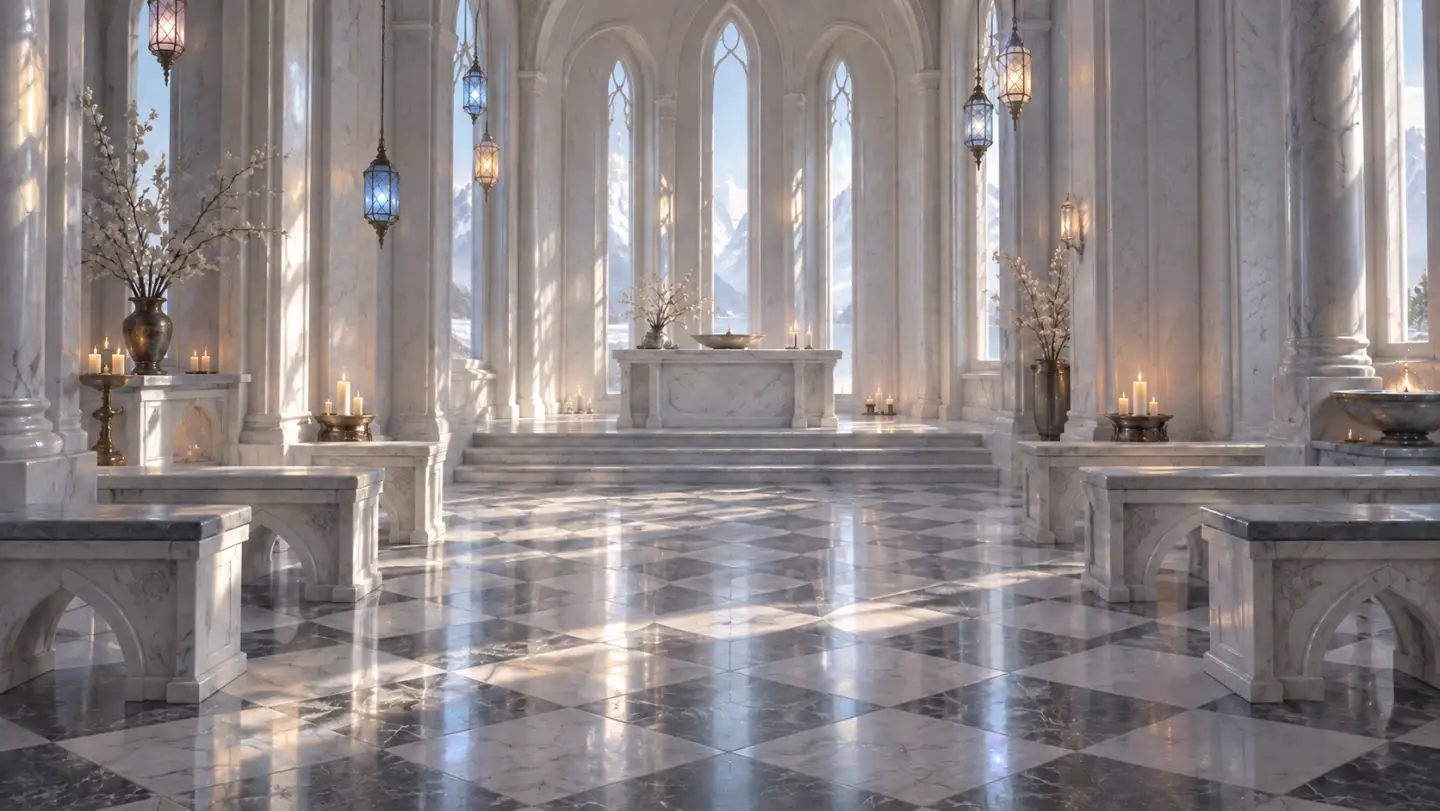
The great Temple of Air teaches through its rooms as much as through its instructors. New followers enter a small white-marble chapel that seems larger under beams of light from high windows. Candles and coloured lanterns glitter against the walls. Low benches face a preaching dais and an altar of Air, while a guarded route leads onward into the priesthood's inner rooms. The temple makes initiation a passage: an ordinary visitor can see the beginning, but becoming responsible for its powers takes study and commitment.
From the chapel, neophytes learn how to handle Air and use it to heal and aid other people. Farther within the order, the Followers of Mercy study in a blue-hued chamber with low marble beds and stools for healers. Their purpose is explicit: they devote their lives to healing and curing others. The Followers of Fury occupy a much barer room whose red-tinged stone and black soot preserve evidence of destructive practice. These are two recognised expressions of one elemental religion, rather than a division between faith and combat.
The priesthood's familiar colours are light blue and gold. Its golden locket holds a blue gem with something smoke-like moving inside; the reverse carries an image representing the elemental power of Air. Priests wear it as a sign of their order and their growing mastery. Pthuule's favour, healing knowledge and the dangerous mastery of breath belong to the same vocation. The gentle appearance of a healer tells only part of the story of the person standing behind the party's front rank.
A place in the world
The great Temple of Air
White marble, high windows and coloured lanterns lead from the initiates’ chapel into teaching rooms and the inner sanctum. The blue chamber of Mercy and the soot-marked room of Fury make the priesthood’s two concerns visible.
Explore the world around themTheir role in a fight
Keep the company on its feet.
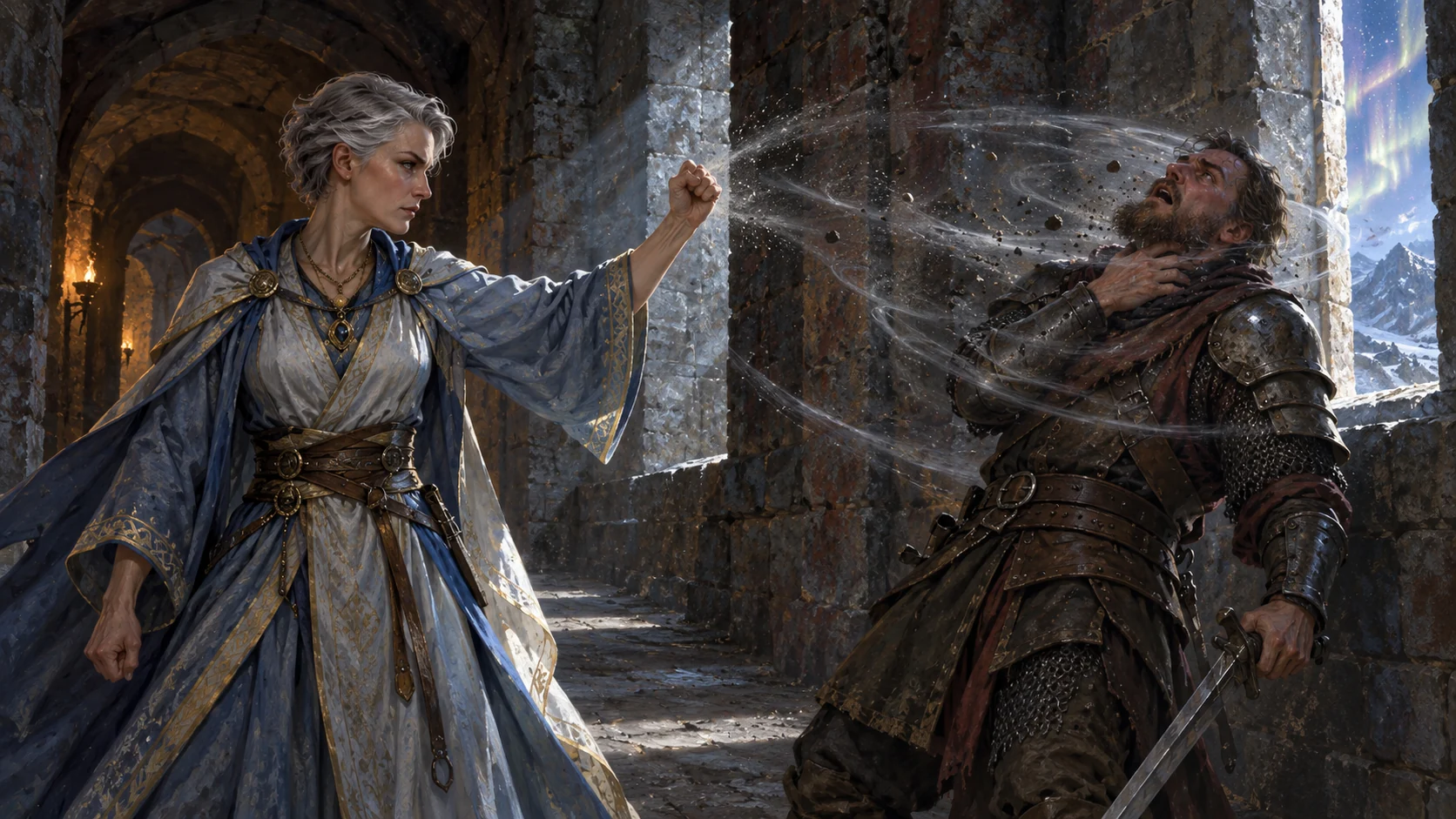
You are a restorative spellcaster with offensive choices. Watch health, lingering harm and the direction of the fight before choosing your next cast. A healing spell changes how long an ally can remain engaged; an attack helps finish a threat when support is secure. The skill lies in knowing which of those actions matters more in the next few moments.
With a party
A party gives your restorative tools their clearest purpose. Support the people absorbing blows, notice when several companions need attention and use cures for the conditions ordinary healing does not address. Healing Breeze reaches every creature present, so inspect the room before treating it as a party-only spell. Your decisions should account for everyone within the spell's reach.
On your own
On your own, the element still gives you ways to fight. Minor Suffocation creates a vacuum around a victim, while healing lets you recover from damage. Choose manageable opponents and budget magical energy for both purposes. The same resource that keeps an enemy under pressure may be needed to save your own life before the encounter is over.
The choices you make
The order offers more than a single healing button, which means more judgement from the player. Healing a wound, reducing a poison and dealing damage solve different problems. Broad healing has broader targeting; restorative casting also occupies time you could spend attacking. Players who enjoy watching the whole encounter can turn those competing demands into the guild's most satisfying decisions.
Power, explained
Signature abilities
Healing Touch
Focused recovery
An early, straightforward spell that restores a small amount of a target's lost health. Its value is clarity: pick the person who needs recovery and heal them. Learning this simple intervention establishes the central Airpriest habit of reacting to an ally's condition instead of following only an offensive casting sequence.
Healing Breeze
Healing across a room
A breeze restores a small amount of health to every creature in the room. It can answer scattered injuries efficiently, but its reach is broader than a party roster. Look at who shares the space, including other creatures, before casting. Stronger understanding makes this modest-looking application of Air more effective.
Purification of Blood
Poison treatment
This spell shortens the remaining duration of a long-lasting poison in a person's body. It does not simply replace lost health, and its benefit diminishes when the poison is already brief or nearly finished. Use it to address ongoing harm early, then judge whether the victim still needs a separate healing spell.
Minor Suffocation
Offensive air magic
The priest creates a small vacuum around the target, causing asphyxiation damage. It is an accessible introduction to the hostile side of Air, with modest power rather than spectacular destruction. It gives a developing priest a direct attack and makes the faith's relationship with breath concrete: the element can sustain or deny it.
These are examples from the guild’s wider training. Availability and strength depend on your guild path, skills and current game rules; an initiate starts with a smaller repertoire.
Learning the tradition
From first healing to Mercy and Fury.
Begin in the Initiates of Air and continue through the Neophytes, building casting knowledge alongside practical healing and offensive spells. The priesthood later opens into more demanding religious training and its Mercy and Fury traditions. Your locket provides access to information about Airpriest masteries, giving practice a history of its own. Think about the role you most want to fulfil while retaining enough breadth to handle surprises. The current guild listings describe the prerequisites and available lessons; advancing the character and studying a particular spell are separate parts of making that spell dependable.
For a first character, the guided builder offers a selection of starting professions. The complete guild reference and in-game teachers explain entry requirements and further training.
-

Elemental knighthood · Defence
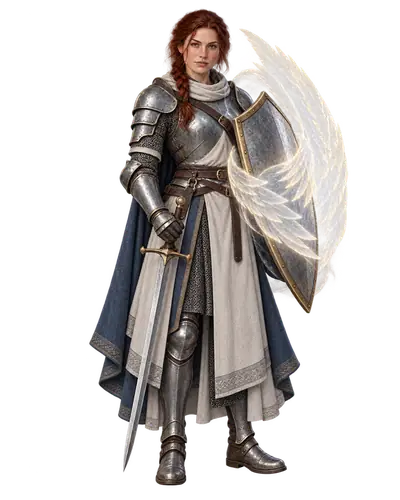
Templars
Elemental knights with martial training, sacred bonds and an uneasy place in a changing world. Faith must prove itself in service.
-


Channeling · Magical defence
Waterpriests
Albila’s armoured channelers preserve an ancient magical art. A shield, a free hand and control of mana make a distinctive defender.
-

Undead servants · Earth magic
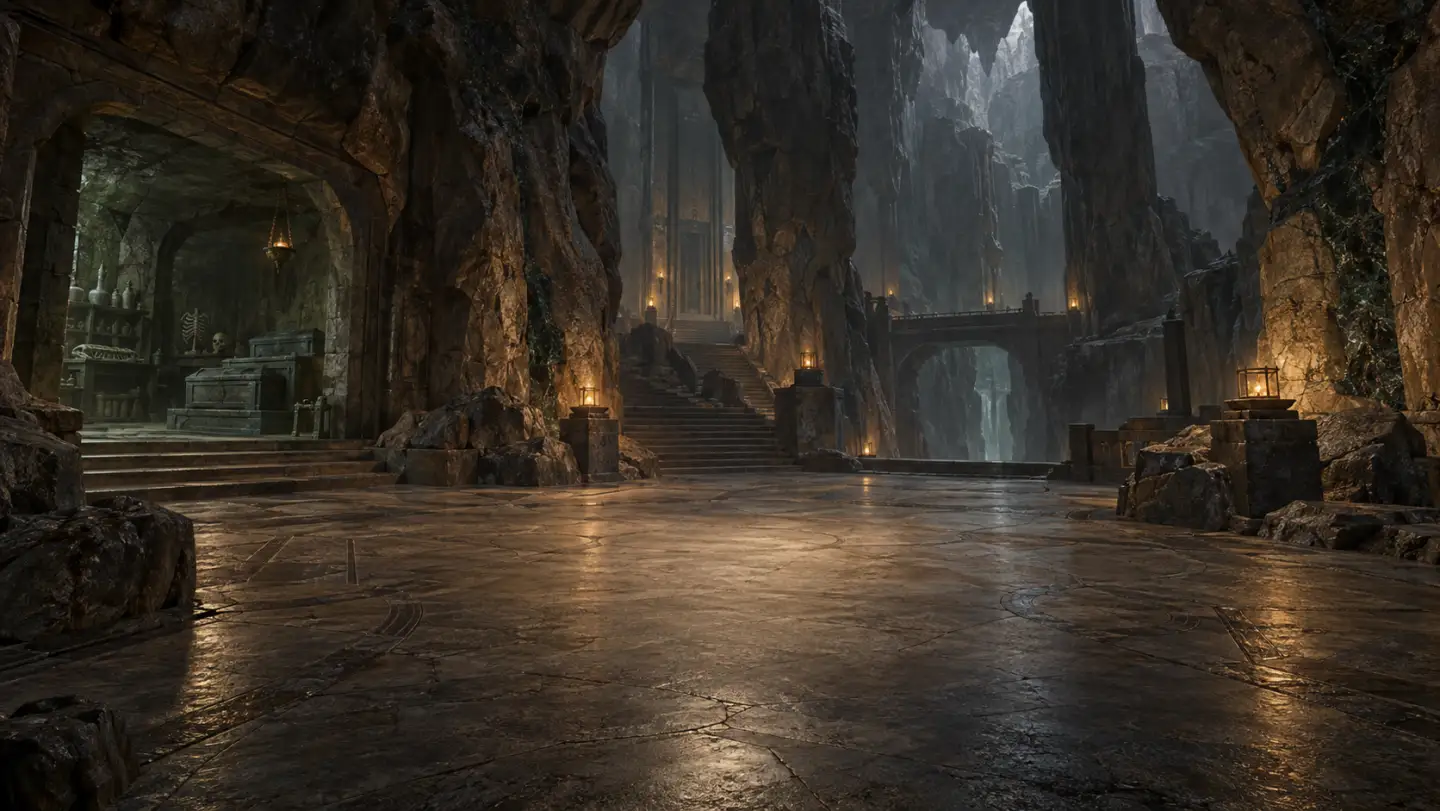
Earthpriests
Servants of Dhubr shape the earth and command the dead. Preparing and sustaining an undead companion is central to their art.
A place in the valley
Find the people
you want to become.
Choose a race and a first profession. Meet your teachers, learn your craft, and find the companions who will come to rely on it.
Icesus is a persistent text RPG. The paintings illustrate its world; you play through words.