What this guild is about
Life and death share the earth.
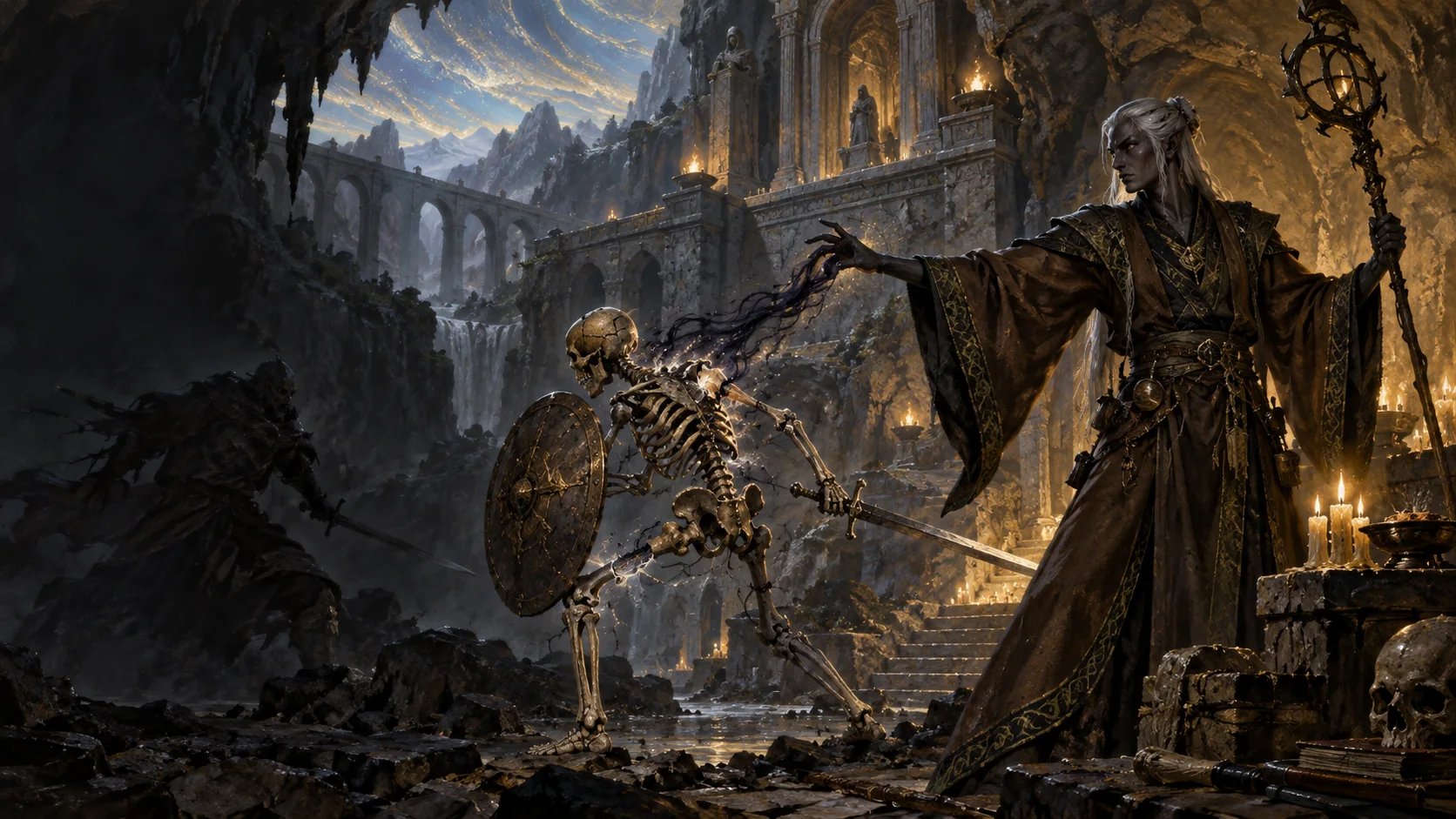
Dhubr gives life through the earth and holds power over the dead. His priests learn both sides of that faith: shaping the land, raising undead servants and restoring those servants with energy from the nether plane. You fight as the keeper of a formidable companion, with responsibility for its preparation and survival.
The Earthpriest's central relationship is with a god whose domains refuse a comfortable separation. Dhubr sustains nature and commands the dead; the order considers mastery of both paths the fullest expression of his priesthood. In play, that becomes a partnership between caster and minion, supported by the earth beneath them. You choose what to raise, learn how to maintain it and add your own spells to the encounter. This calling suits a player who likes preparation and the feeling of building a fighting unit over time, while inhabiting a faith whose visible servants make many ordinary people afraid.
You might feel at home here if…
- Prepare a servant and learn how to sustain it.
- Watch two lives through every serious fight.
- Explore both Dhubr’s earthly and necromantic teachings.
Lore & origins
One god, two paths
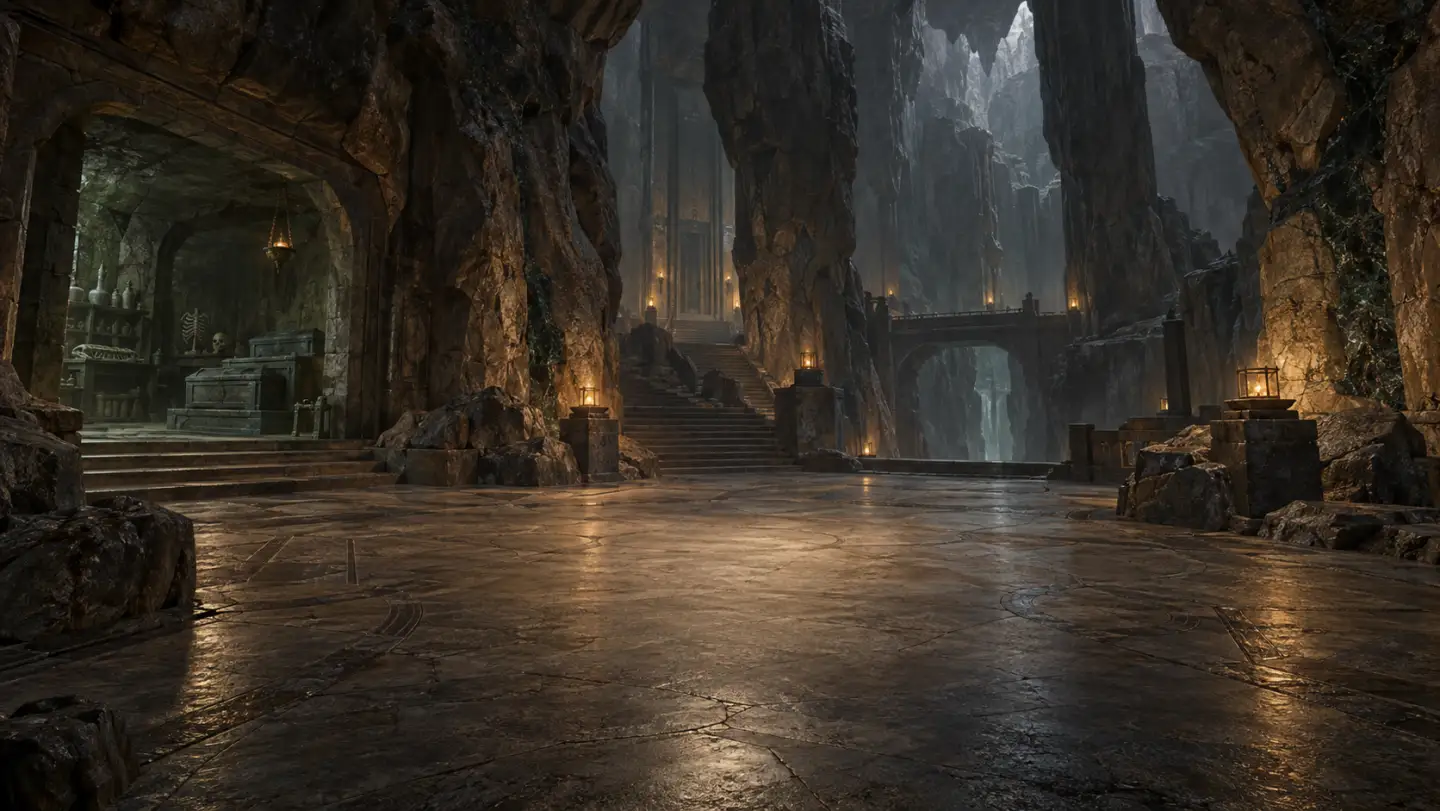
Beneath the Temple of Earth in Graemor lies a cavernous hall decorated with the raw power of Dhubr's element. Undead beings follow their masters through it. The setting announces the priesthood's dual nature immediately: the order reaches down into the living earth, but death is part of its daily company. Its teachings describe Dhubr as a god who upholds nature and gives life while also holding dominion over dead beings and their souls. The same divine authority embraces both the fertile ground and what is buried within it.
Many believers find that duality difficult and choose one religious path. Dhubr accepts their devotion, while the priesthood holds that a fully accomplished Earthpriest should understand both. The Path of Earth studies the lore and rituals needed for everyday priestly practice, including ways to shape land and nature for peaceful or offensive purposes. Its bookcases and religious objects face a very different classroom across the main hall: the Path of Necromancy trains among caskets, anatomical charts and skeletons used for practice.
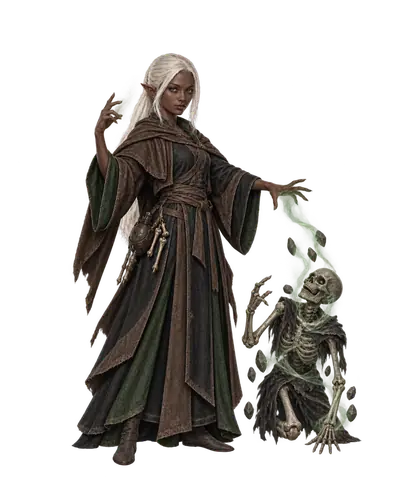
The necromantic school teaches the raising and command of undead servants and dealings with death and the nether plane. Its own account distinguishes religious practice from the acts of independent necromancers whose cruelty damaged the art's reputation. That distinction has not ended public fear; the priests remain shunned in many communities. Brown robes with black and green ornament express Dhubr's authority over mortal and nether realms. Wearing them means accepting both the order's religious argument and the unsettling presence of the servants that make its power visible.
A place in the world
Beneath the Temple of Earth, Graemor
The main guild hall occupies a great cavern beneath the temple. Religious study and earth lore lie to one side; caskets, skeletal teaching specimens and the Path of Necromancy lie to the other. Undead servants accompany their masters through the shared hall.
Explore the world around themTheir role in a fight
Keep your servant fighting.
You fight through an undead servant and the spells that make its continued presence possible. Raising a minion begins the relationship; keeping it functional during combat is a separate responsibility. Earth magic adds direct pressure and disruption. Watch the servant's condition alongside your own, because a strong opening means little if the creature carrying your plan falls apart.
With a party
An undead servant adds another fighting presence, while your earth spells can interfere with enemies around the group. Be clear about who is caring for the minion: ordinary healing cannot repair its undead essence. Your specialised restoration provides that support. Coordinate attacks and disruption with the party so the servant and the living members contribute to the same encounter.
On your own
Your minion gives solo play a small-party rhythm. Prepare a suitable body, raise a servant you can manage and keep enough power available to restore it. You remain an active spellcaster rather than a spectator. The Path of Earth's travel and offensive magic broadens what you can do between fights as well as during them.
The choices you make
Necromancy requires suitable preparation and carries risk. Stronger bodies are harder to animate, and insufficient understanding can produce an angry spirit or hostile undead. Your servant also needs its own kind of restorative magic. The guild rewards patient knowledge of corpses, minion types and upkeep; it asks you to manage more than a single character's health and attacks.
Power, explained
Signature abilities
Conjure Undead
Raise a fighting servant
A fallen body becomes the basis for an undead minion. Most forms require a humanoid corpse, and the strength of the original creature affects the difficulty. Necromantic knowledge influences both what you can raise and its quality. Recasting while you have a minion banishes it and stores much of its experience for a later servant of the same type.
Solidify Skin
Restore undead integrity
Despite its name, this is a restoration spell for your undead minion. You channel a small amount of nether energy through your own body into the servant, repairing part of its integrity. Ordinary healing cannot perform that task. It establishes a care routine that develops into stronger restoration spells as the priest learns.
Tremor
Disrupt grounded enemies
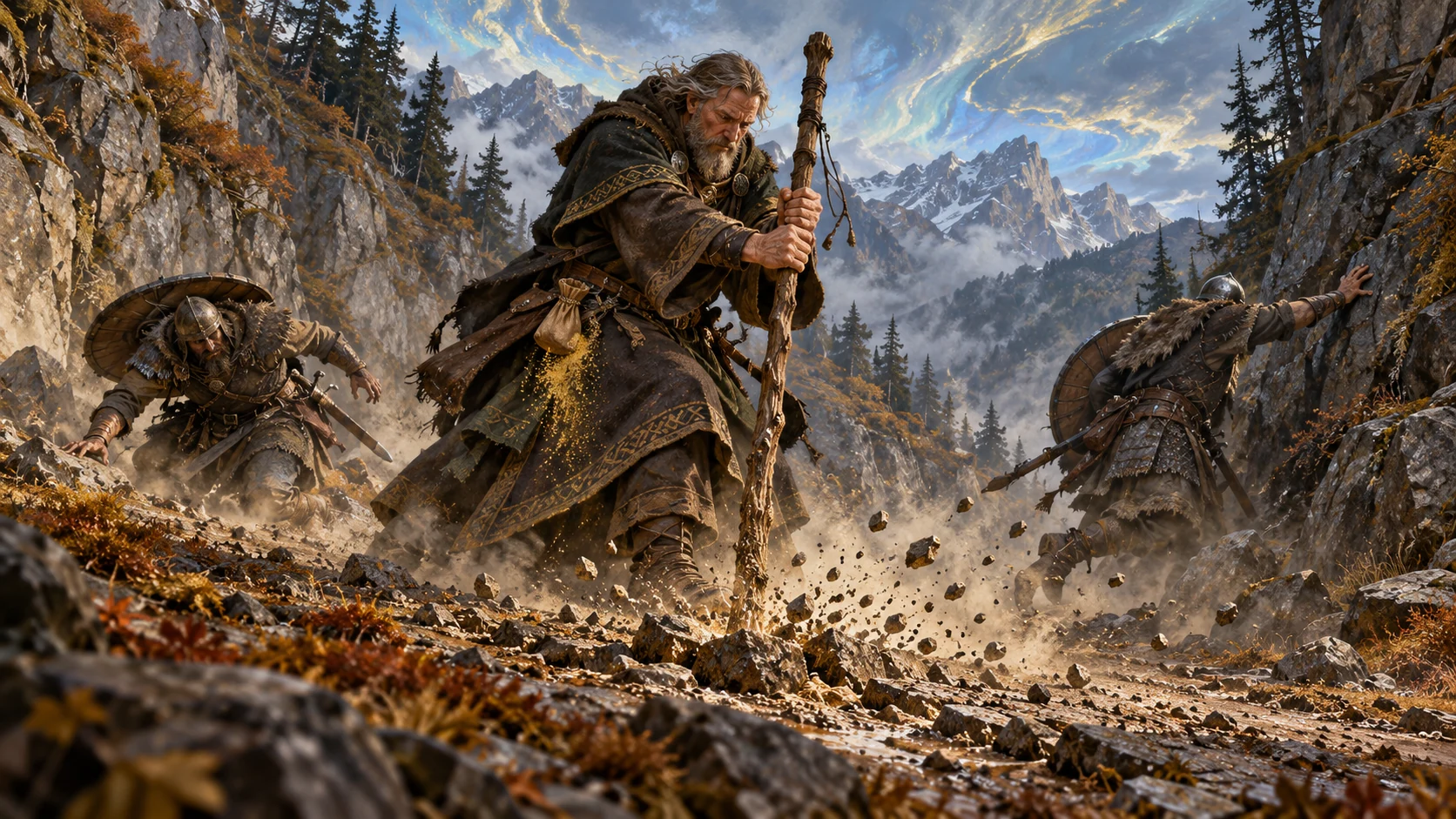
A small earthquake damages creatures that depend on the ground and may knock them down, interrupting concentration. Flying creatures avoid its effects. The spell consumes sulphur, making preparation relevant even for a direct attack. Use it with awareness of the creatures present and whether their relationship with the ground makes the effect useful.
Earthbind
Return through the soil
Bind yourself to a particular wilderness place, then use the spell's gate action to blend into the soil and travel back to it. The ability makes the landscape part of your practical priesthood. Establishing the destination comes first; the spell is a deliberate link to a chosen place, not unrestricted travel to any location.
These are examples from the guild’s wider training. Availability and strength depend on your guild path, skills and current game rules; an initiate starts with a smaller repertoire.
Learning the tradition
Learn the two faces of Dhubr.
The main priesthood establishes faith in Dhubr before deeper work along the Path of Earth and Path of Necromancy. Growing knowledge changes which servants you can raise and how effectively you can restore them, while earth lore adds travel, disruption and other practical magic. The guild's religious ideal encourages both branches, even though individual believers may concentrate on one. Your robe provides the Earthpriest guild commands. Treat each new minion type as something to understand and support, and read the current lesson requirements before committing your advancement. A more imposing servant is useful only when the rest of your training can maintain it.
For a first character, the guided builder offers a selection of starting professions. The complete guild reference and in-game teachers explain entry requirements and further training.
-
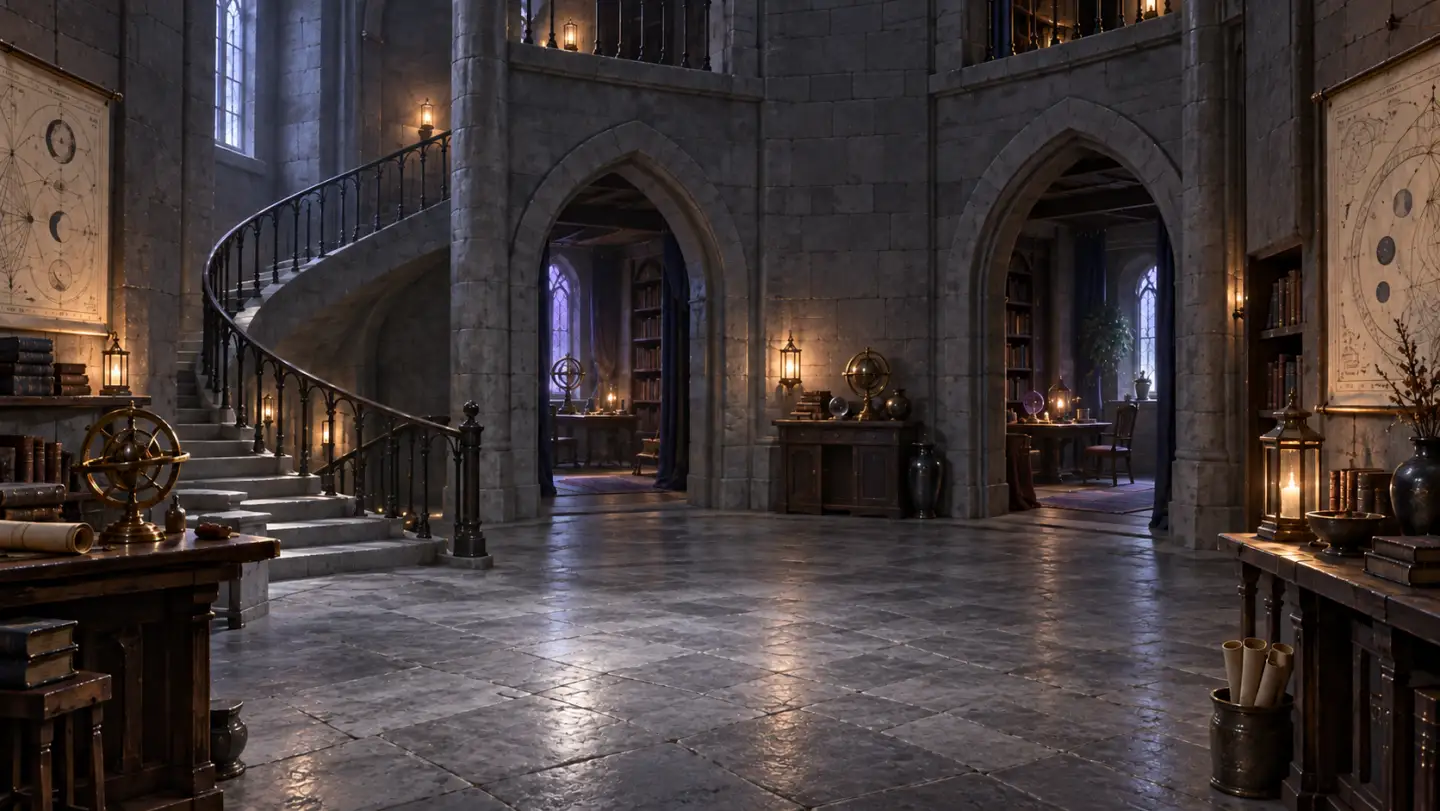
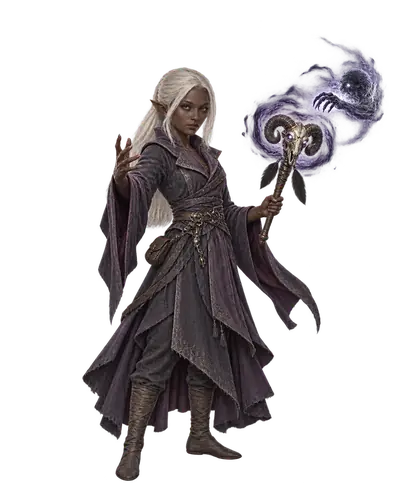
Bound spirits · Planar magic
Sorcerers
An old order surviving its god’s fall. Sorcerers open pathways between planes and bind unwilling spirits into their sceptres.
-
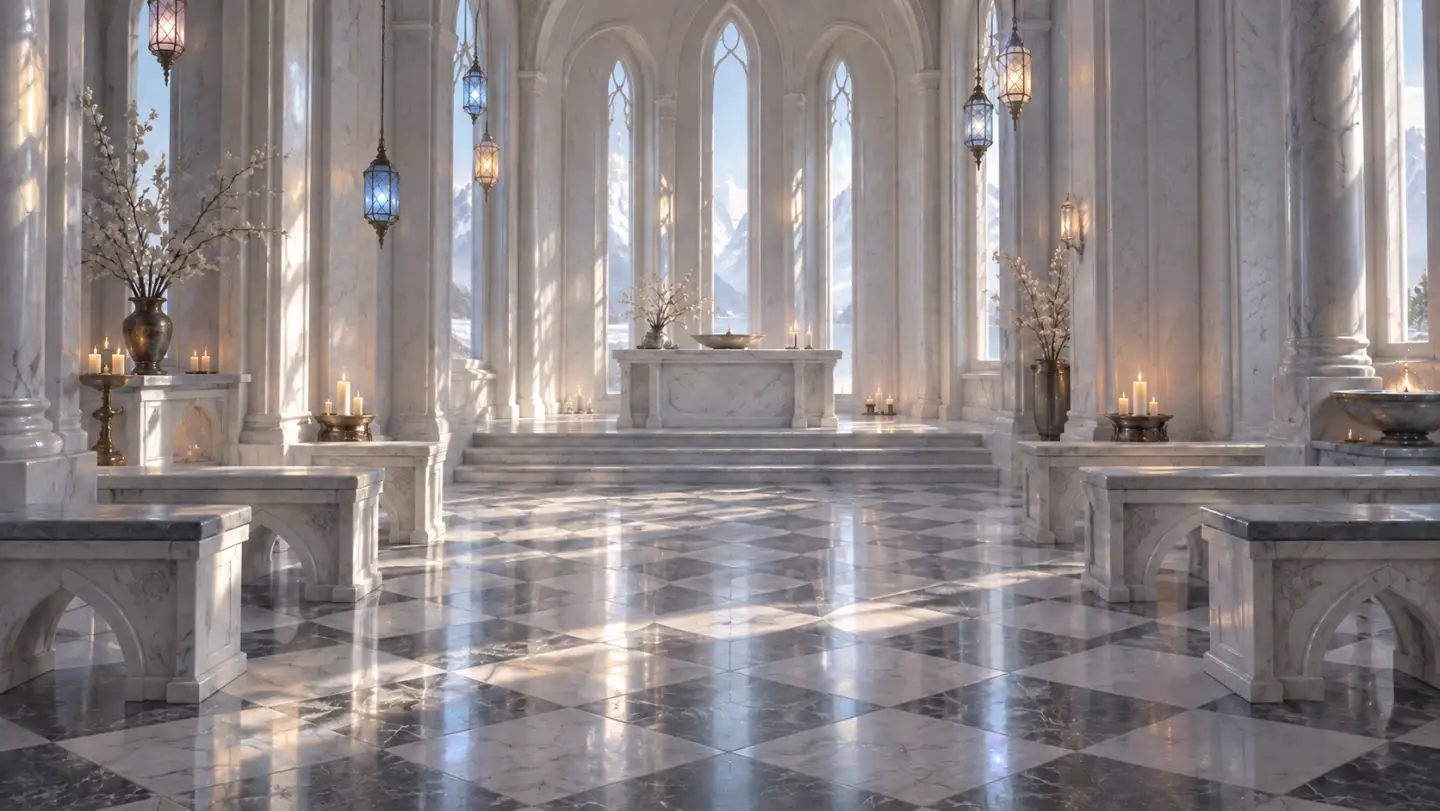

Healing · Air magic
Airpriests
Pthuule’s servants restore companions and command the breath that sustains them. Mercy and the fury of Air share one calling.
-
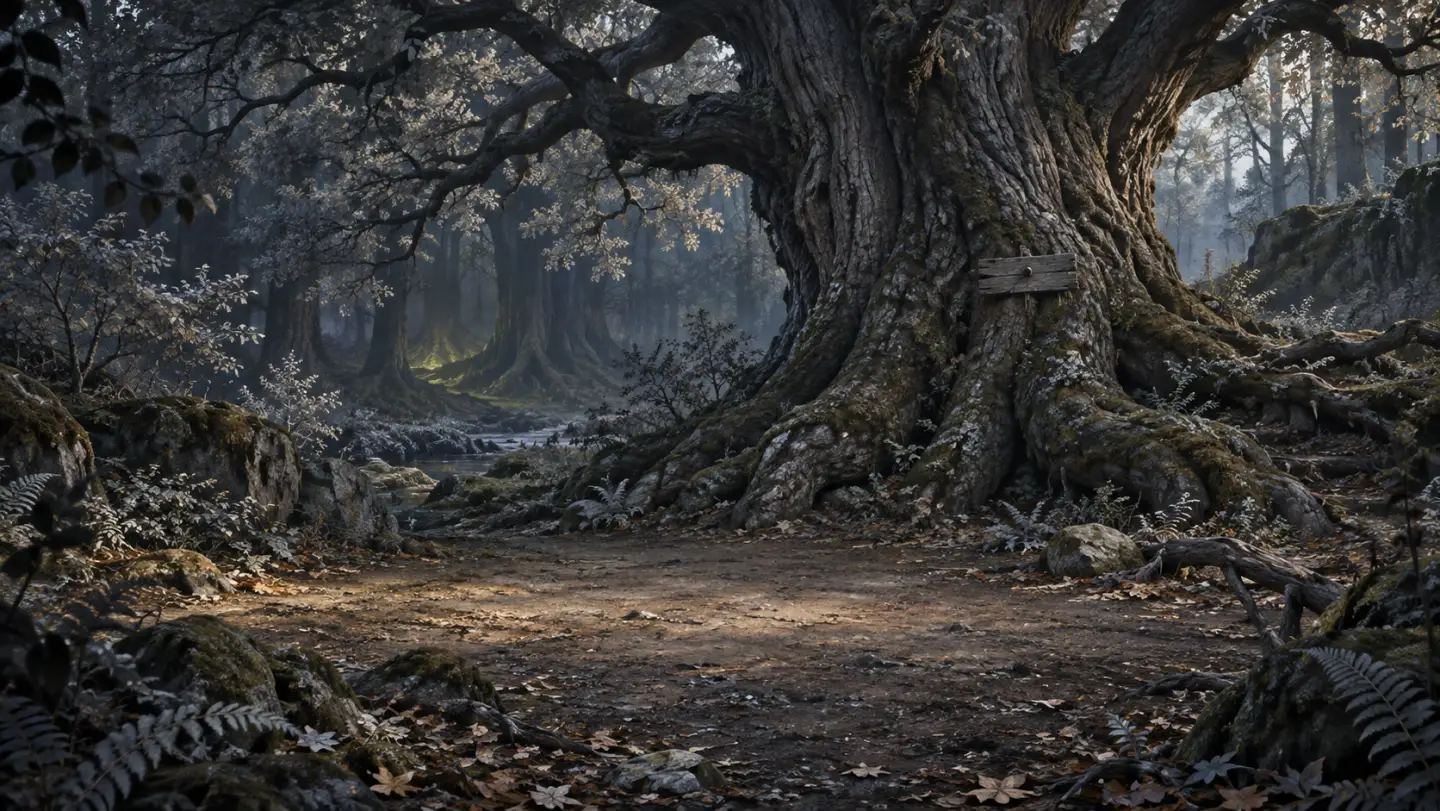
Curses · Poison · Dreams
The Coven
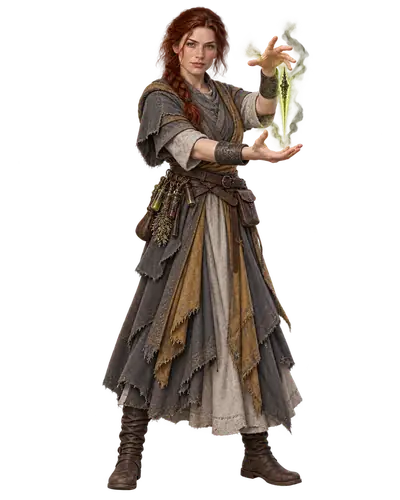
A refuge for the derelict, defended by unsettling power. Its members weave curses, magical poison and dreams that wound or renew.
A place in the valley
Find the people
you want to become.
Choose a race and a first profession. Meet your teachers, learn your craft, and find the companions who will come to rely on it.
Icesus is a persistent text RPG. The paintings illustrate its world; you play through words.