What this guild is about
Turn discipline into movement.
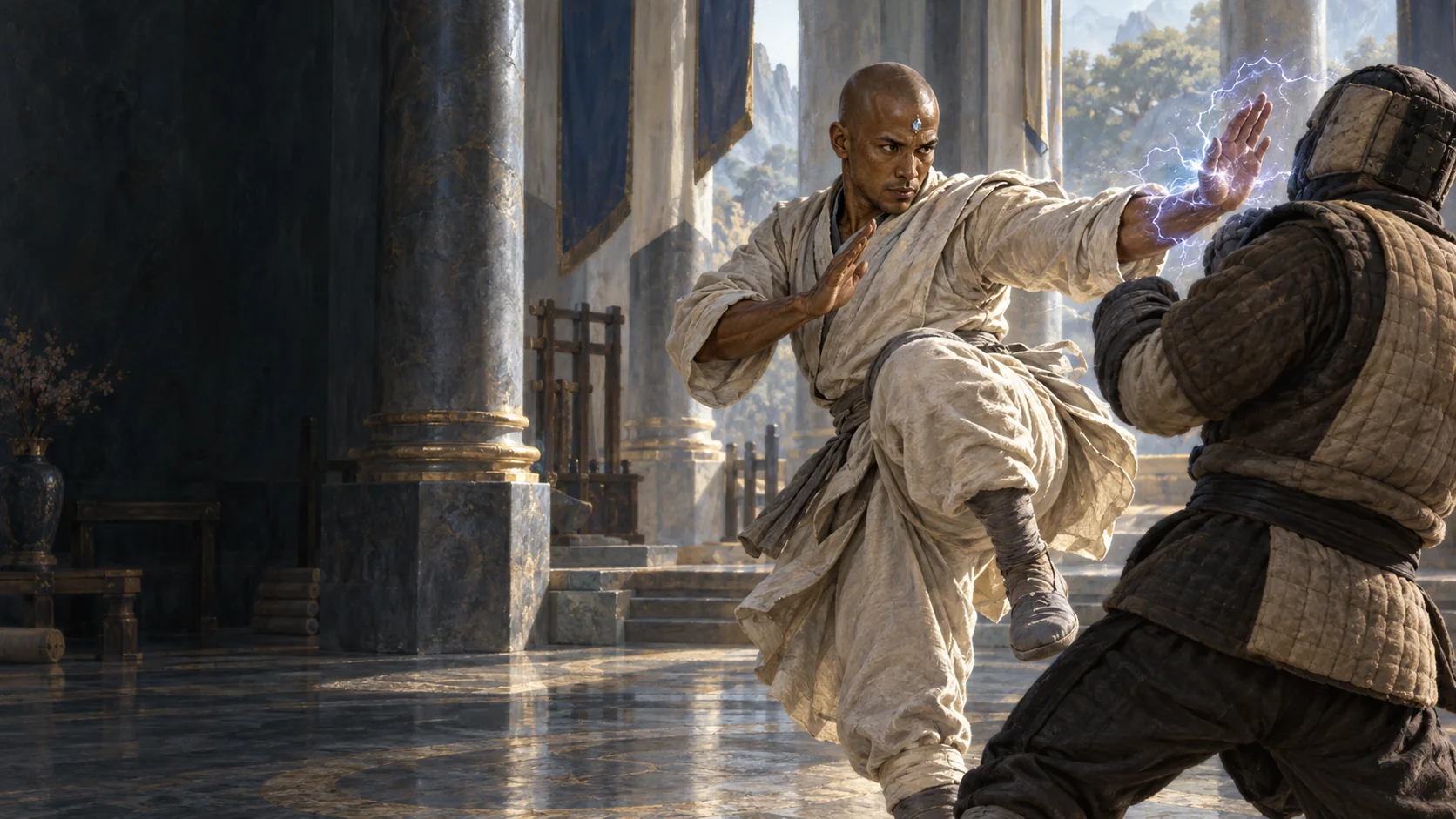
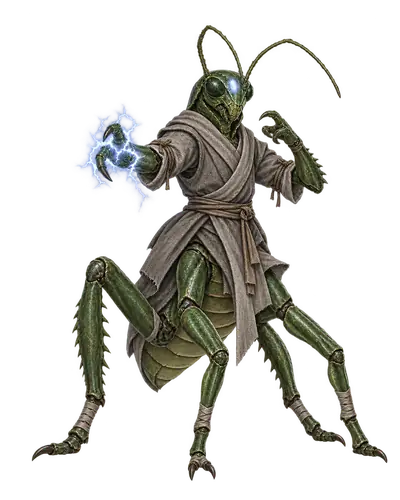
The monks turn discipline into movement. They fight through martial arts, prepare their concentration through meditation and learn to manipulate a battle’s rhythm with Motion of Combat. The Jewel of Temperance and its runes add another layer to this demanding style, linking practiced attacks with carefully prepared powers.
The Brotherhood is about self-command expressed through the body. Its warrior monks devote their lives to temperance and martial training because a lightly protected fighter cannot afford careless balance or broken concentration. Preparation and action are inseparable: meditation builds the state of mind that makes the next movement possible, and repeated practice teaches when an opponent is vulnerable. The fantasy is not merely fighting without a sword. It is learning to perceive and direct the tempo of a struggle, until a measured sequence of movements becomes more convincing than brute force or the protection of heavy armour.
You might feel at home here if…
- You enjoy preparation that changes how the next battle unfolds.
- You want unarmed techniques with visible restrictions and decisions.
- You like developing a combat rhythm around concentration and runes.
Lore & origins
The long road to a single perfect movement
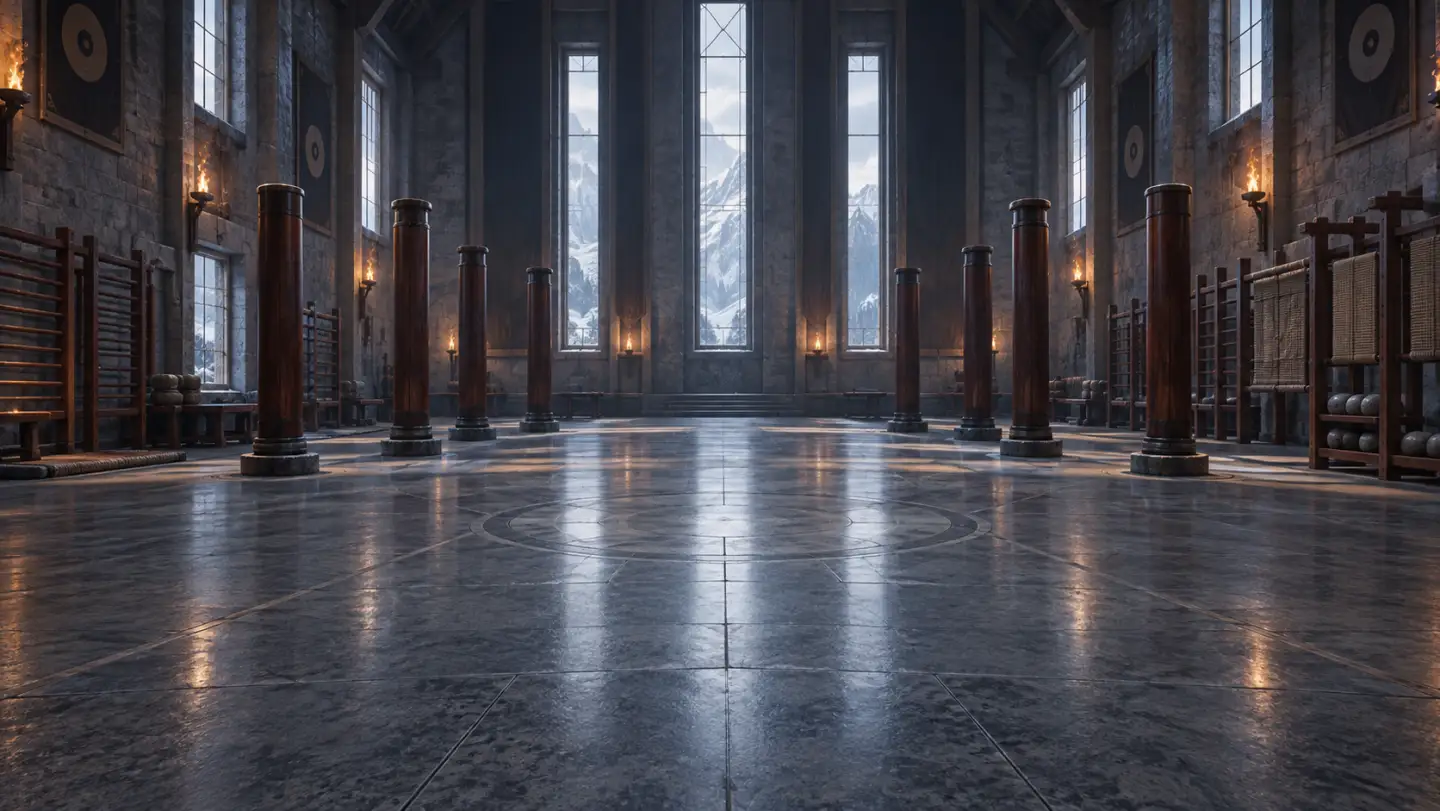
The Brotherhood’s home presents training as something larger than an exercise room. Its great hall holds racks, targets and tall wooden pillars beneath a high ceiling. Granite tiles fit with extraordinary precision, while flickering torchlight gives movement a hypnotic quality. The equipment is practical, but the scale suggests how far beyond ordinary expectations the students hope to reach. Passing the School of Temperance requires hard training, self-control and discipline before a student can claim the life of a warrior monk.
Warrior monks practise beneath the monastery’s great statue, in a marble sanctum lit by braziers. A raised platform gives them a place to test their combat skills against one another. Their introduction describes complete dedication to temperance and martial arts, leading toward control of the motion of combat. The technique’s own account reaches back to monks who noticed that a battle’s tempo could be manipulated. From that observation they developed sequences that exploit an opponent’s mistakes, turning understanding into a succession of precise attacks.
The higher halls become simpler as the training becomes more demanding. Grand masters practise on a white stone platform in a room lit without visible lamps, and four elemental paths offer further teaching. The Jewel of Temperance makes this disciplined inner life visible: its runes are learned, loaded through combat and prepared for release. Brother Bessobb teaches the runes. The result is a tradition in which stillness, repeated motion and elemental expression belong together, with each stage asking the monk to understand their own actions more completely.
A place in the world
The cloisters of Temperance
The monastery is built into stone beneath four distinct towers. Its halls lead from demanding physical training to the warrior monks’ marble sanctum and the spare spaces of the grand masters. The architecture reflects the calling: targets, pillars and practice platforms are as important as the solemn appearance of a temple.
Explore the world around themTheir role in a fight
Build a rhythm. Release its power.
A monk supplies close-range damage through unarmed combat and trained sequences. Motion of Combat is the signature offensive manoeuvre, supported by martial knowledge and meditational concentration. Combat styles change the balance of that pressure: Offensive Flow makes attacks quicker and more effective while reducing opportunities to evade. You actively choose how much safety to exchange for a stronger assault.
With a party
In a party, the monk contributes a distinctive melee rhythm and prepared rune effects. A stable fighting arrangement gives you the opportunity to use concentration and techniques developed before the clash. Discuss how exposed you should be before adopting an aggressive style: the attraction is efficient physical pressure, but the guild’s signature manoeuvre cannot simply be combined with a heavy-armour solution to every danger.
On your own
Solo encounters make the relationship between preparation and execution especially clear. Meditate before entering danger, choose a style suited to the opponent, and work through the techniques and rune preparation you have learned. The guild rewards attention to the condition in which you begin a fight, because concentration is part of whether its signature movement succeeds, not merely decorative flavour.
The choices you make
Motion of Combat excludes wielded weapons and medium or heavy armour on hit locations. Offensive Flow also sacrifices defence for speed and pressure. These are substantial commitments, so equipment and stance need to support the intended technique. Meditation has its own vulnerable interval: it occupies your attention, and violent interruption can leave you dazed and drain resources before the fight properly begins.
Power, explained
Signature abilities
Motion of Combat
The signature unarmed manoeuvre
Manipulate the tempo of a fight and exploit mistakes with a fluent sequence of attacks. Meditational level affects the chance of success, and the manoeuvre requires concentration and spell points. Wielded weapons and medium or heavy armour on hit locations prevent it from working, making the monk’s preparation and equipment choices essential.
Meditation
Concentration before commitment
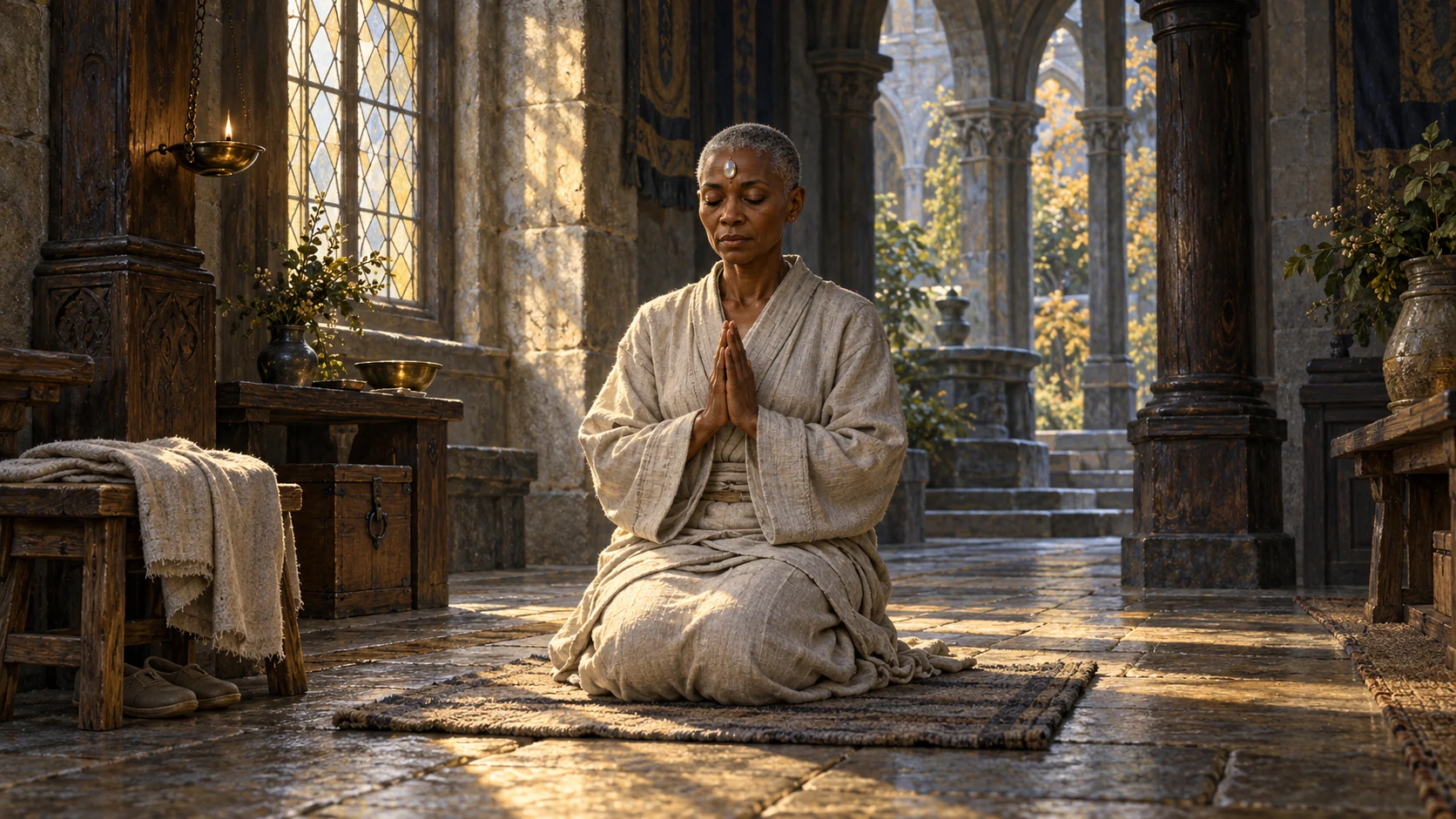
Clear the mind and build the concentration that supports a monk’s full fighting potential. Monk meditation combines mental stamina with physical recovery. It is a deliberate pause rather than an action to weave freely through combat: the meditating character cannot perform other actions, and interruption or an unskilled early ending can carry penalties.
Offensive Flow
A faster, riskier rhythm
Adopt a combat style that improves attack speed, accuracy and damage by concentrating on a flowing assault. That attention leaves less time for parrying and dodging. The style therefore creates a genuine tactical choice: use the extra pressure when the situation supports it, and recognise when the loss of evasion is too expensive.
The Jewel’s runes
Prepare, charge and release
Learn a rune, load it through repeated Motion of Combat, then prepare the completed rune for release with the next use of that manoeuvre. Runes add particular effects rather than a generic glow: Arc Flash Nexus, for example, makes attacks partly lightning damage. The cycle rewards deliberate preparation and continued practice.
These are examples from the guild’s wider training. Availability and strength depend on your guild path, skills and current game rules; an initiate starts with a smaller repertoire.
Learning the tradition
Enter the brotherhood.
The path moves from initiation through the School of Temperance into the dedication expected of warrior monks. Martial arts provide the foundation, with related attacks and combat styles supporting the signature Motion of Combat. Runes add their own learning and practice: acquiring one is followed by charging, preparation and repeated use. Grand masters and elemental paths extend the tradition for those who keep developing it. Think of advancement as a coherent discipline of body, equipment and concentration. A powerful technique depends on the conditions that allow it to work, so learning how to enter a fight is part of mastering what you do inside it.
For a first character, the guided builder offers a selection of starting professions. The complete guild reference and in-game teachers explain entry requirements and further training.
-
Weapon combat · Defence
Army
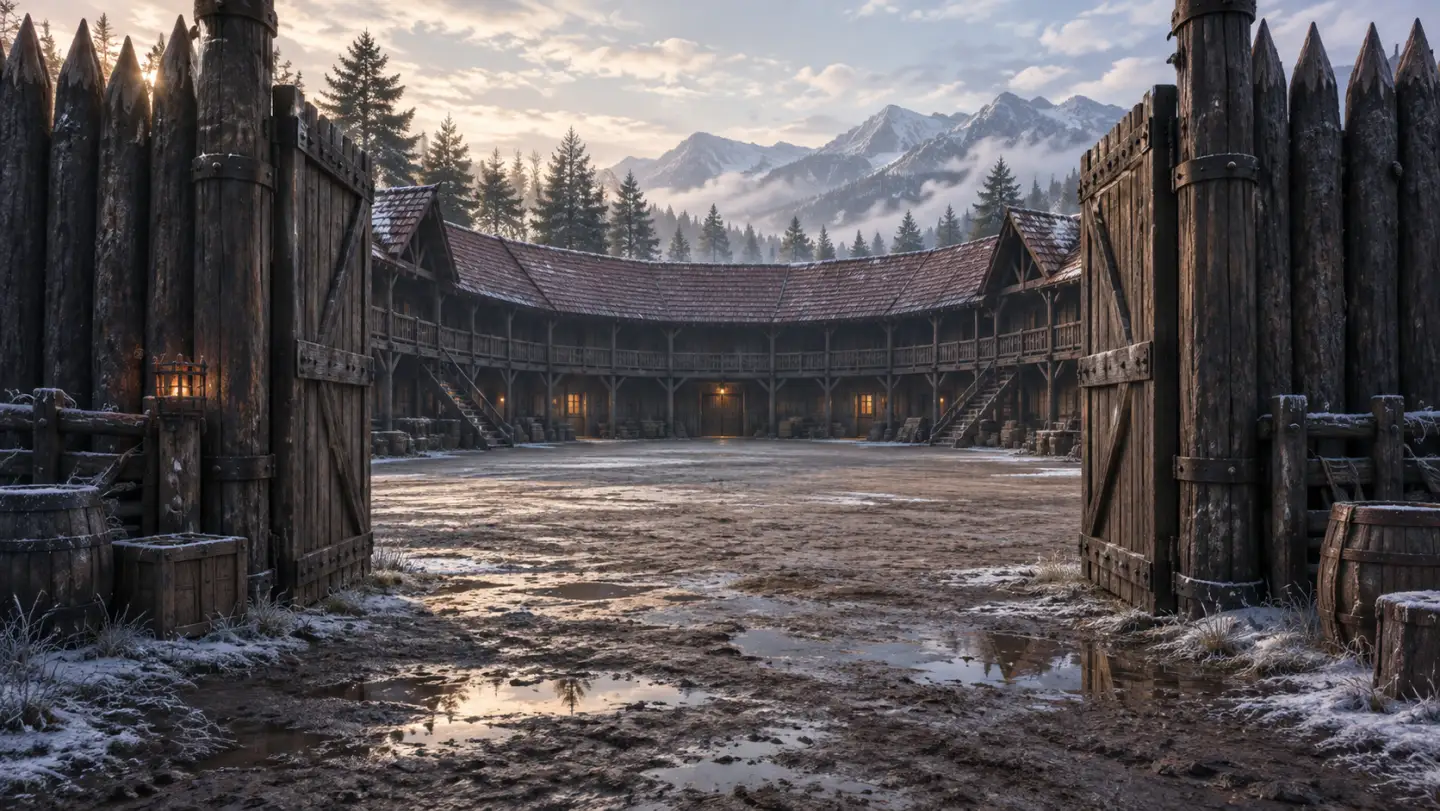
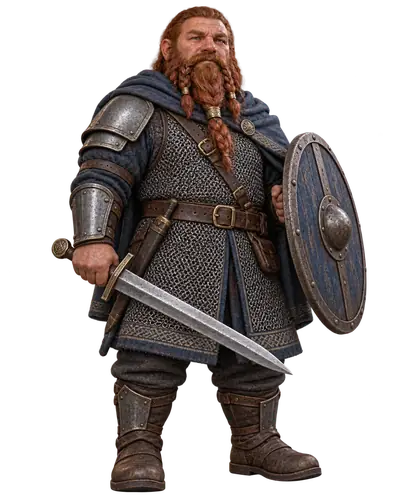
Train for the moment another person needs you to stand firm. Choose agile weapon work or armoured endurance.
-


Animal forms · Melee
Gaesati
Followers of Walmor who learn to become animals and trees. Each form offers a different way to face the world.
-
Ambush · Shadow magic
Shadowdancers
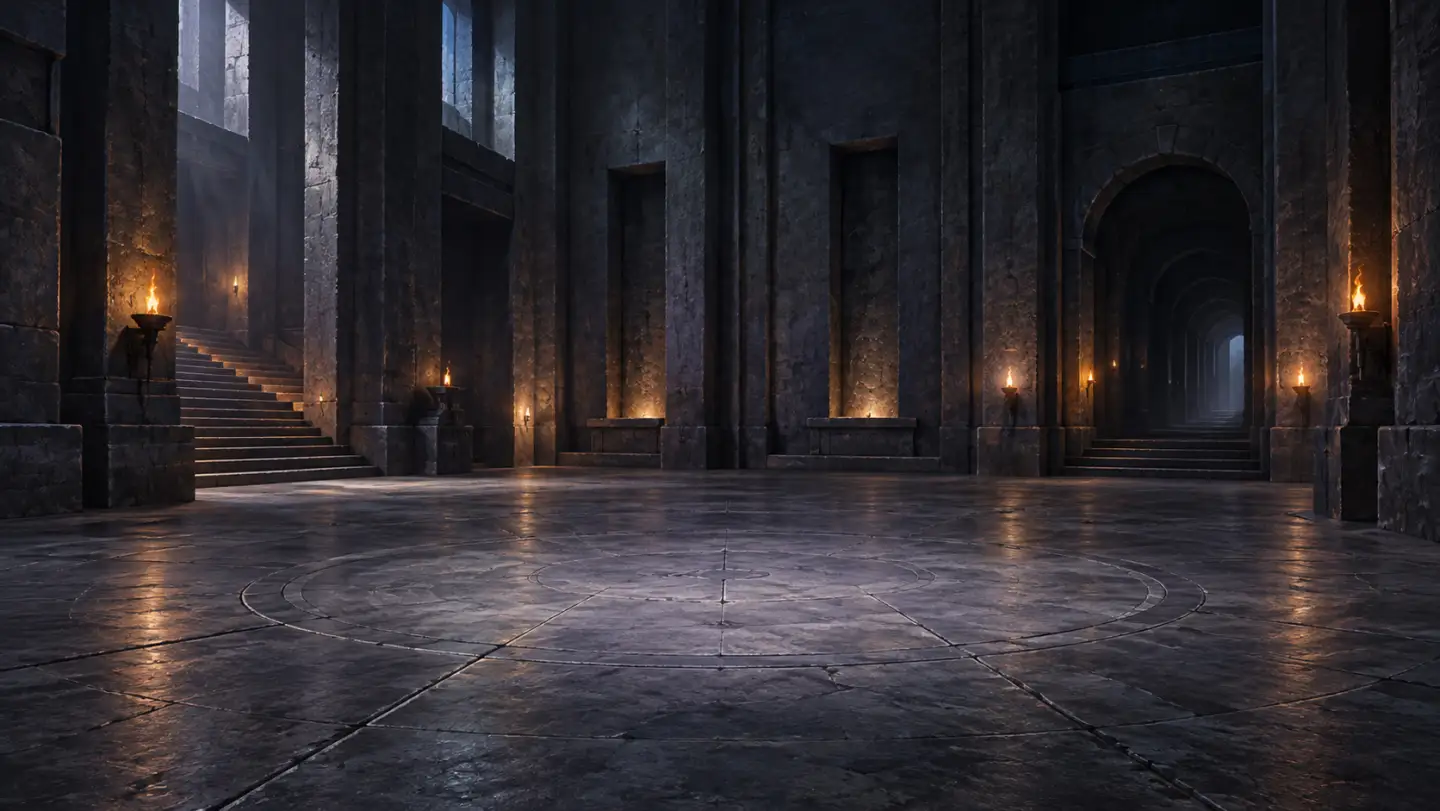
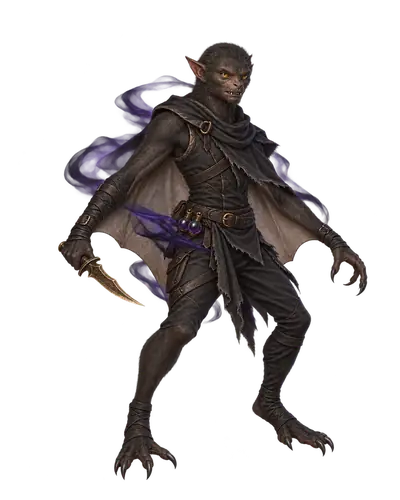
A secretive religious order whose assassins study concealment, piercing weapons, poisons and the protection of shadows.
A place in the valley
Find the people
you want to become.
Choose a race and a first profession. Meet your teachers, learn your craft, and find the companions who will come to rely on it.
Icesus is a persistent text RPG. The paintings illustrate its world; you play through words.