What this guild is about
Discipline you can depend on.
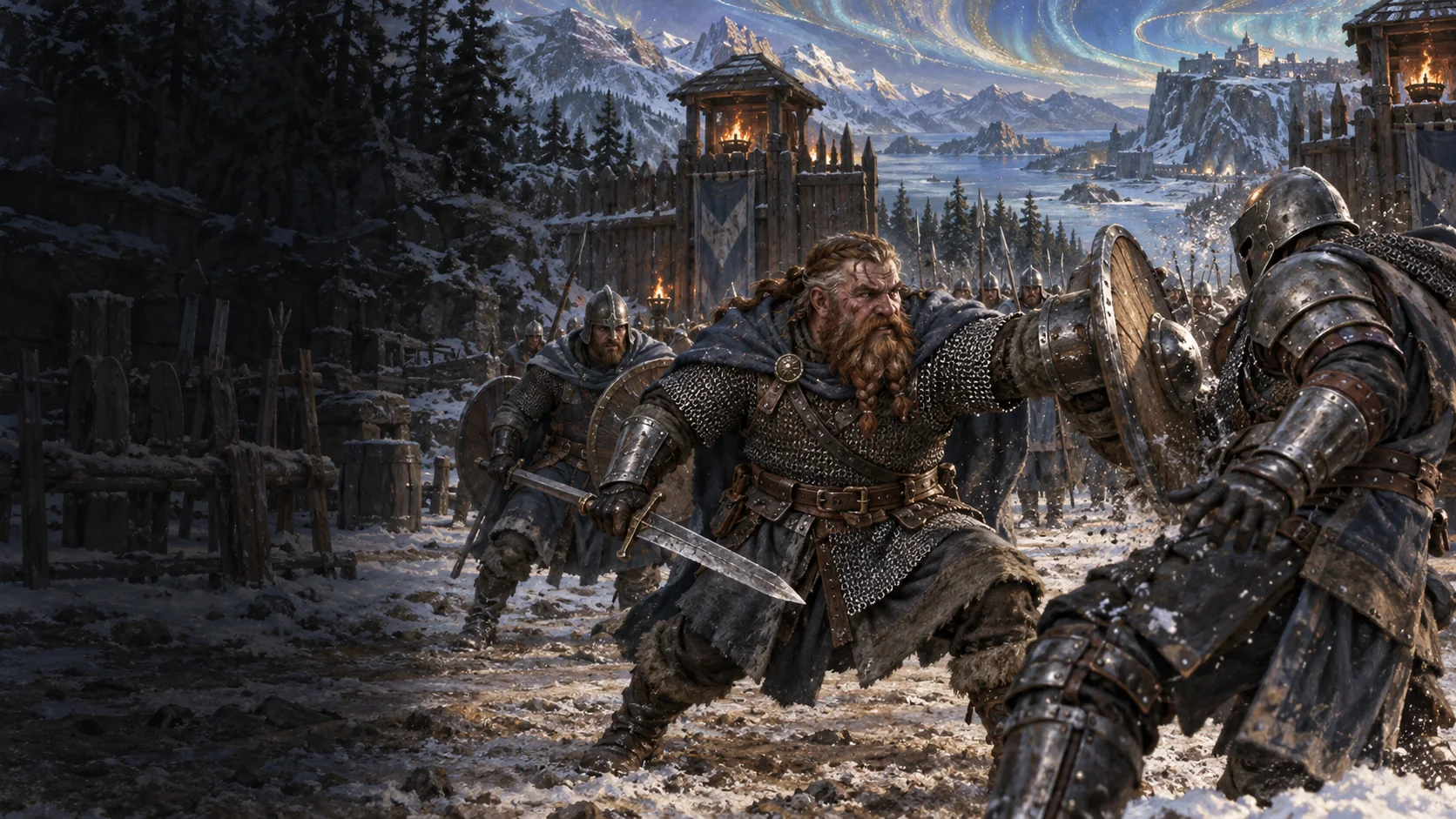
A soldier of Vaerlon learns to make a weapon, a shield and a place in the battle line count. The Army turns militia recruits into trained infantry, then opens different paths through agile weapon work and heavily armoured endurance. Its strength is deliberate, practiced combat in service of a city.
The Army is about responsibility made physical. Someone must still be standing when an enemy reaches the people behind the front line. Its answer is training: learning a weapon properly, choosing a useful combat style and understanding what each manoeuvre asks of your equipment. There is room here for a fighter who enjoys the weight of a shield and for one who prefers the precision of lighter infantry. Military discipline does not simply mean waiting for orders; the guild describes initiative, confidence and responsibility that continue when a leader is absent. You become a dependable part of a larger force through choices you can repeat under pressure.
You might feel at home here if…
- You enjoy choosing weapons, shields and stances for the opponent in front of you.
- You want a clear place in the battle line.
- You prefer practiced martial skill to a large spell repertoire.
Lore & origins
A city teaches itself to survive
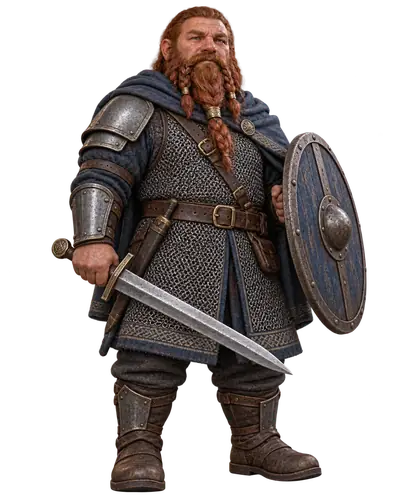
The Army of Vaerlon traces its foundation to the war against the dark elves. Its militia introduction remembers a second war against the forces of darkness and presents the Army as a central pillar of Valkor’s armed strength. Infantry and reconnaissance troops emerge from this institution. The appeal to recruits is personal: the threatened things are their city, their homes and their own lives. This is military service rooted in a particular place, with Vaerlon’s survival as its enduring justification.
The enlistment hall makes that purpose wonderfully ordinary. Recruits queue in a granite room while a scarred administrator handles papers; beyond the arch lies the infantry training centre. In the basic training yard, weapon racks stand like the shelves of a rough outdoor library, and armoured recruits run circles under an officer’s eye. The curriculum’s grand promises sit beside bad food, little sleep and the need to endure pain. A soldier’s identity grows out of repeated, practical work before it becomes a heroic title.
The later training grounds show two interpretations of the same duty. Light infantry hone their reflexes in chain mail or lighter protection, juggling weapons and learning that skill matters as much as force. Heavy infantry gather in plate, preparing to become the first and last line of defence. The rivalry in their introductions is part of the institution’s character: each branch believes it understands what makes a great soldier. Both belong to the Army that asks ordinary people to become reliable when their city needs them most.
A place in the world
The barracks of Vaerlon
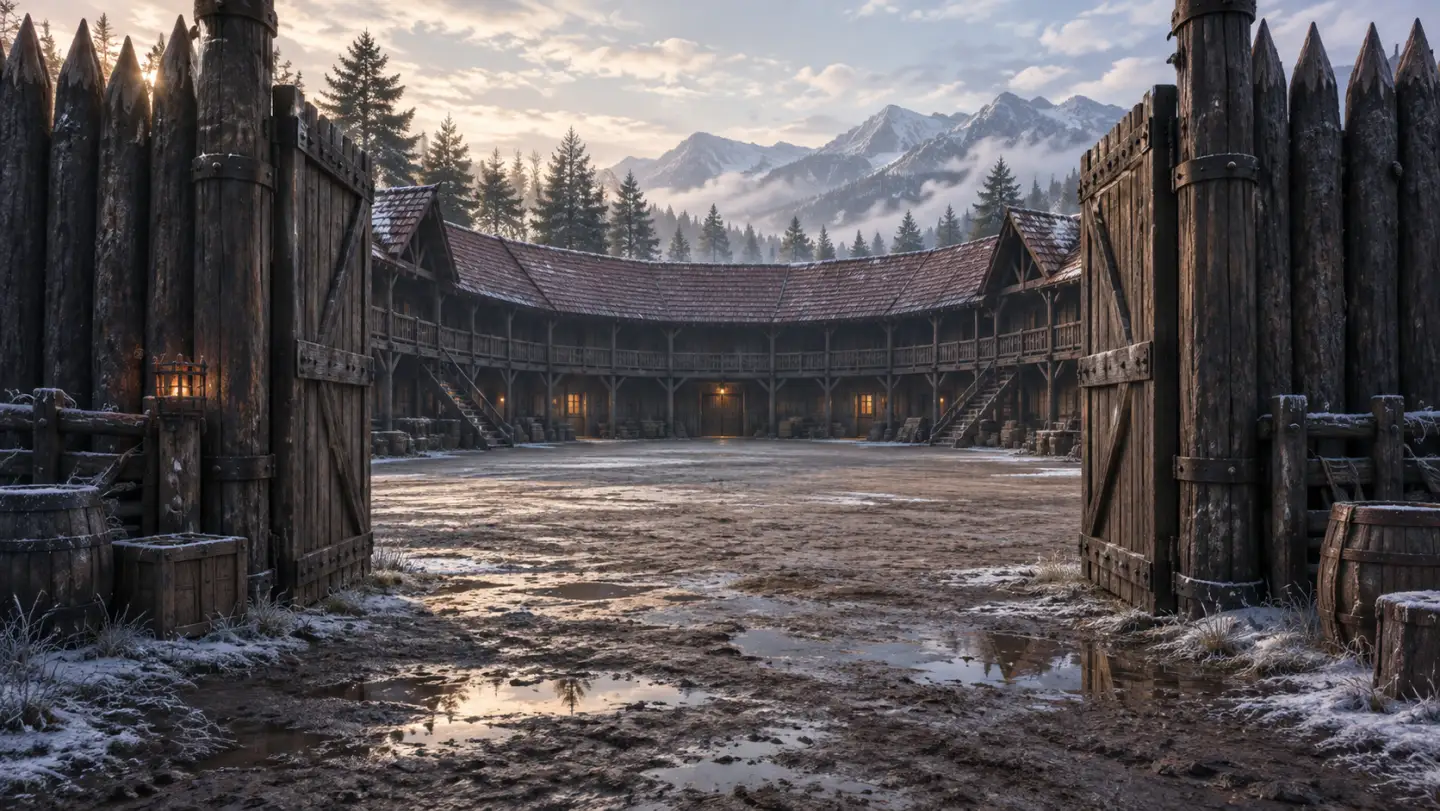
The enlistment hall, sand-covered training yards and stocked armoury place the Army inside the daily life of Vaerlon. Helar and Grurg oversee the enlistment process; training then leads outward through infantry specialisations. The location feels like a working military establishment, with paperwork and drill beside the promise of battlefield distinction.
Explore the world around themTheir role in a fight
Make your place in the line count.
You bring sustained weapon combat and a choice of defensive or offensive emphasis. A shield-bearing soldier can combine protection with Shield Punch; another build can invest in forceful weapon attacks and the appropriate combat styles. Your contribution comes from matching equipment, weapon knowledge and manoeuvres, then adjusting how much pressure you can safely absorb while the fight develops.
With a party
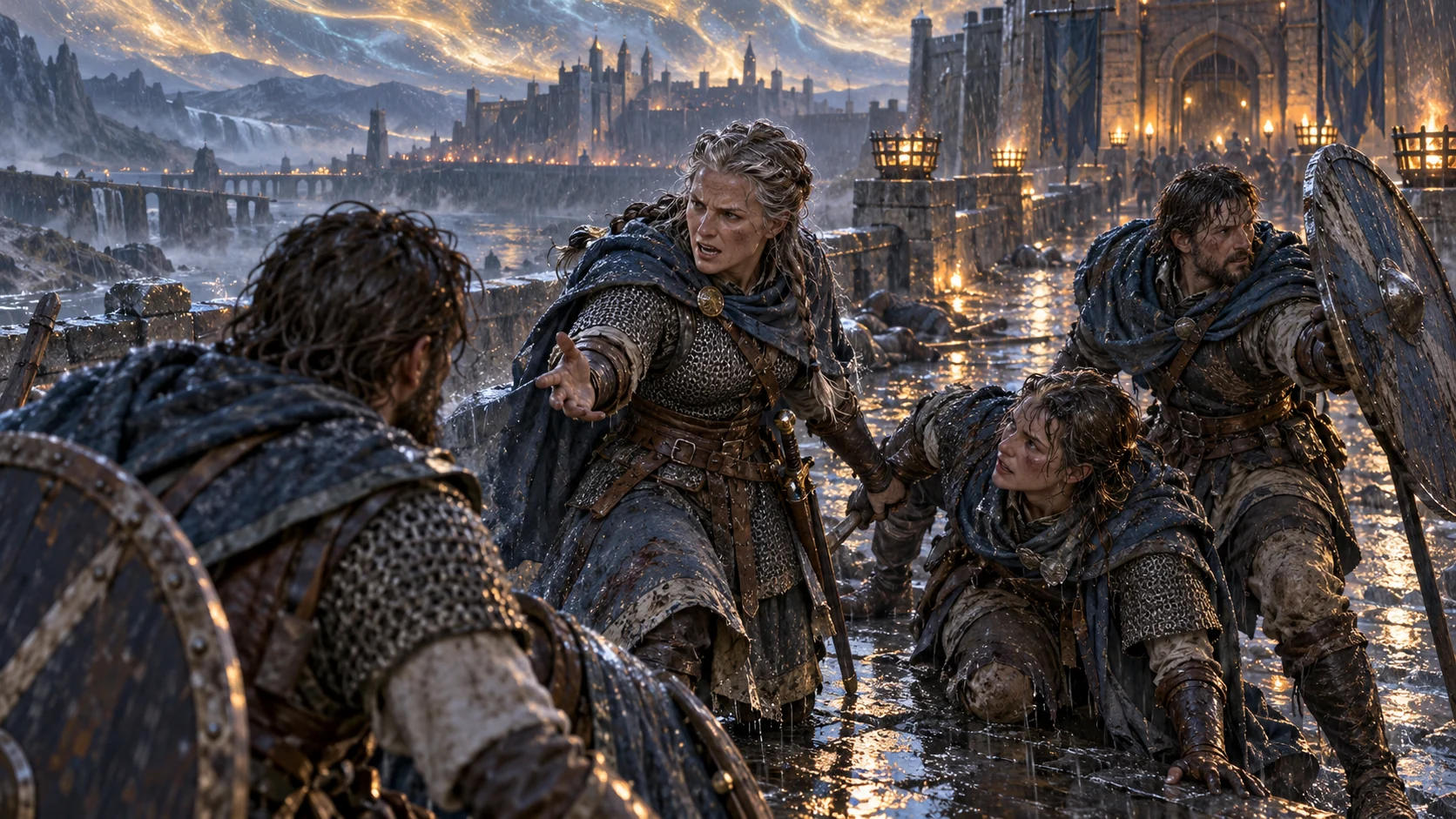
At the front, the Army gives companions room to work by surviving pressure on the battle line. Trained leaders can also coordinate a group through battlefield orders, choosing a stronger defensive line, a rally or a retreat. Their effectiveness depends on leadership and discipline. Your contribution can therefore be both the fighter who holds a position and the officer who helps others act together.
On your own
Alone, a soldier’s decisions are immediate and readable. Pick a suitable weapon, judge whether a shield or a more aggressive arrangement suits the opponent, and decide whether a straightforward Strike is enough or a hindering effect is worth attempting. Camping and basic travel skills support expeditions, but the heart of the experience remains learning the limits of your own fighting setup.
The choices you make
The Army’s versatility still requires commitment. Heavy protection, shield techniques, weapon training and lighter infantry expertise do not become interchangeable simply because they share a guild. Offensive and defensive battle strategies also depend on using compatible combat styles. A strong soldier is built from choices that work together; scattered training or an unsuitable stance can leave valuable knowledge doing little in the fight.
Power, explained
Signature abilities
Strike
Weapon manoeuvre
Drive a strong blow through your primary weapon, or attempt to injure, wound or stun an opponent. The special effect adds ambition and reduces the simplicity of the attack: the plain version has a better chance to succeed. Weapon knowledge, physical ability and related combat skills determine how convincingly the manoeuvre lands.
Shield Punch
Defensive pressure
Use a shield as an active weapon, striking an opening while your other weapon distracts the enemy. Depending on the blow, additional hindering effects may follow. This technique rewards shield expertise and a defensive emphasis, giving a protected fighter a way to exert pressure without treating defence as merely waiting to be hit.
Battle strategies
Combat style expertise
Offensive strategy improves compatible aggressive styles; defensive strategy strengthens styles such as warding, deft and defensive. Their melee benefits are tied to the style you actually use. Learning the strategies therefore invites a tactical decision about the present fight, rather than providing an identical bonus in every stance or equipment arrangement.
Battlefield Orders
Lead the party as a force
A trained party leader or eligible vice-leader can issue orders that coordinate companions: Hold the Line strengthens a defensive formation, Rallying Cry helps the group regroup, and Fall Back supports retreat. Leadership and the followers’ military discipline affect execution. These commands turn the Army’s institutional identity into practical decisions for the whole party.
These are examples from the guild’s wider training. Availability and strength depend on your guild path, skills and current game rules; an initiate starts with a smaller repertoire.
Learning the tradition
From militia to seasoned infantry.
The journey begins in the militia and continues through basic infantry before the Army’s more specialised training. Light infantry emphasise weapon skill and reflexes; heavy infantry make a stronger commitment to armour and the front line. Later elite and weapon-master branches deepen those identities. Advancement is about building a coherent fighter, with weapon knowledge, supporting manoeuvres and defensive skills developing together. The guild’s breadth gives you choices, but training requirements still matter: a prestigious title is the result of preparation, not a replacement for it. Enlistment itself has an in-world procedure involving Helar and Grurg.
For a first character, the guided builder offers a selection of starting professions. The complete guild reference and in-game teachers explain entry requirements and further training.
-

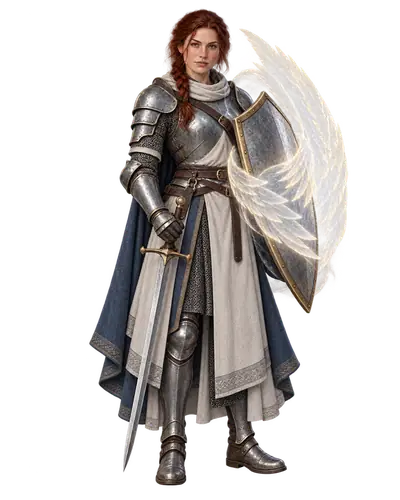
Elemental knighthood · Defence
Templars
Elemental knights with martial training, sacred bonds and an uneasy place in a changing world. Faith must prove itself in service.
-
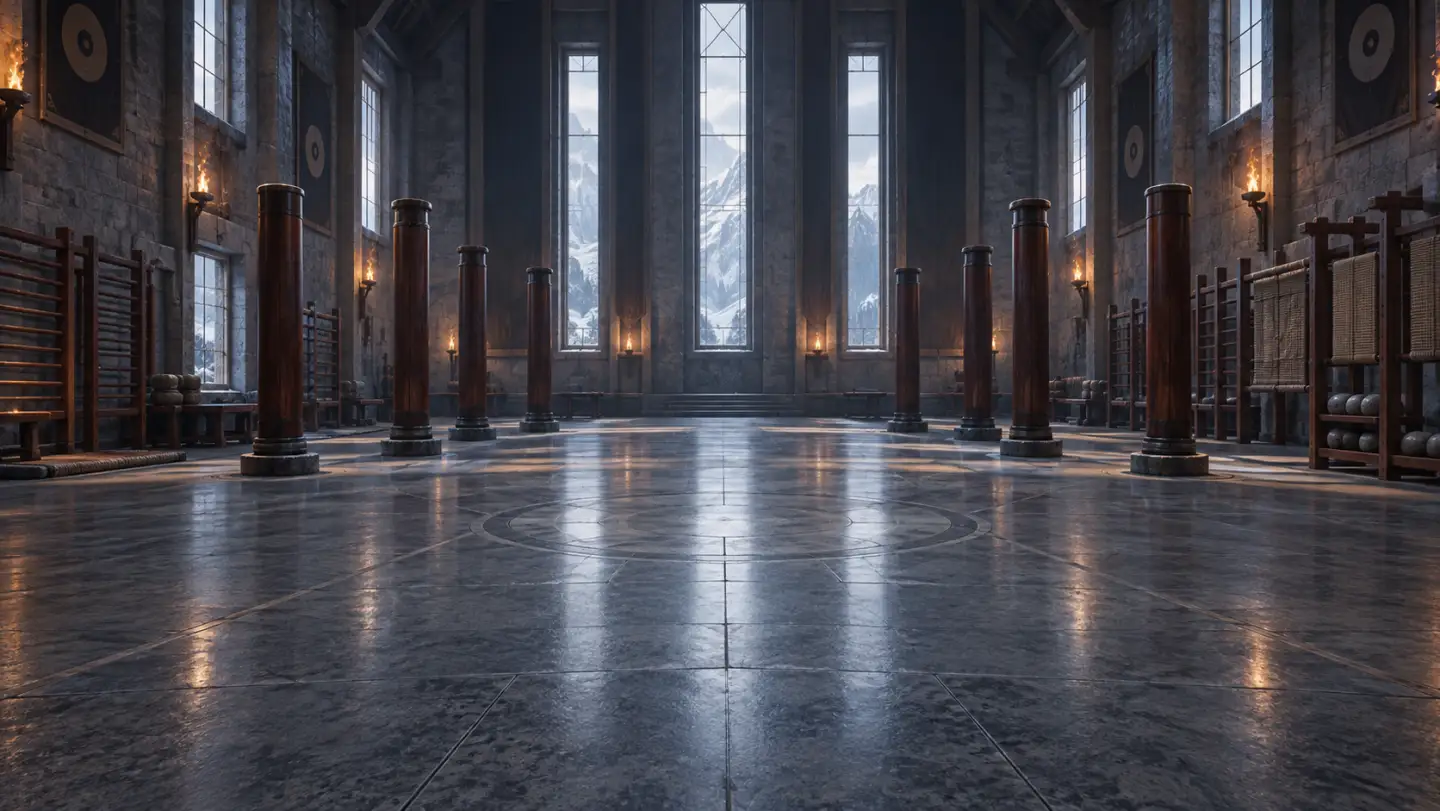
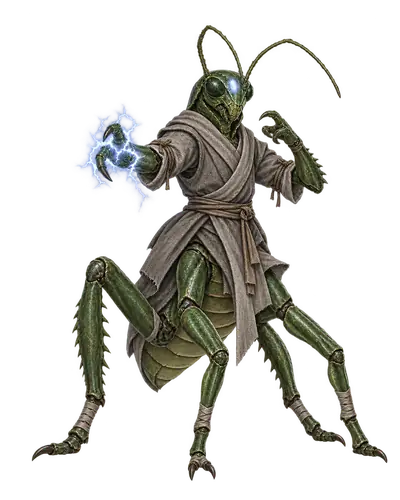
Martial arts · Prepared runes
Monks
Unarmed fighters whose concentration becomes motion. The Jewel of Temperance and prepared runes deepen every practiced sequence.
-
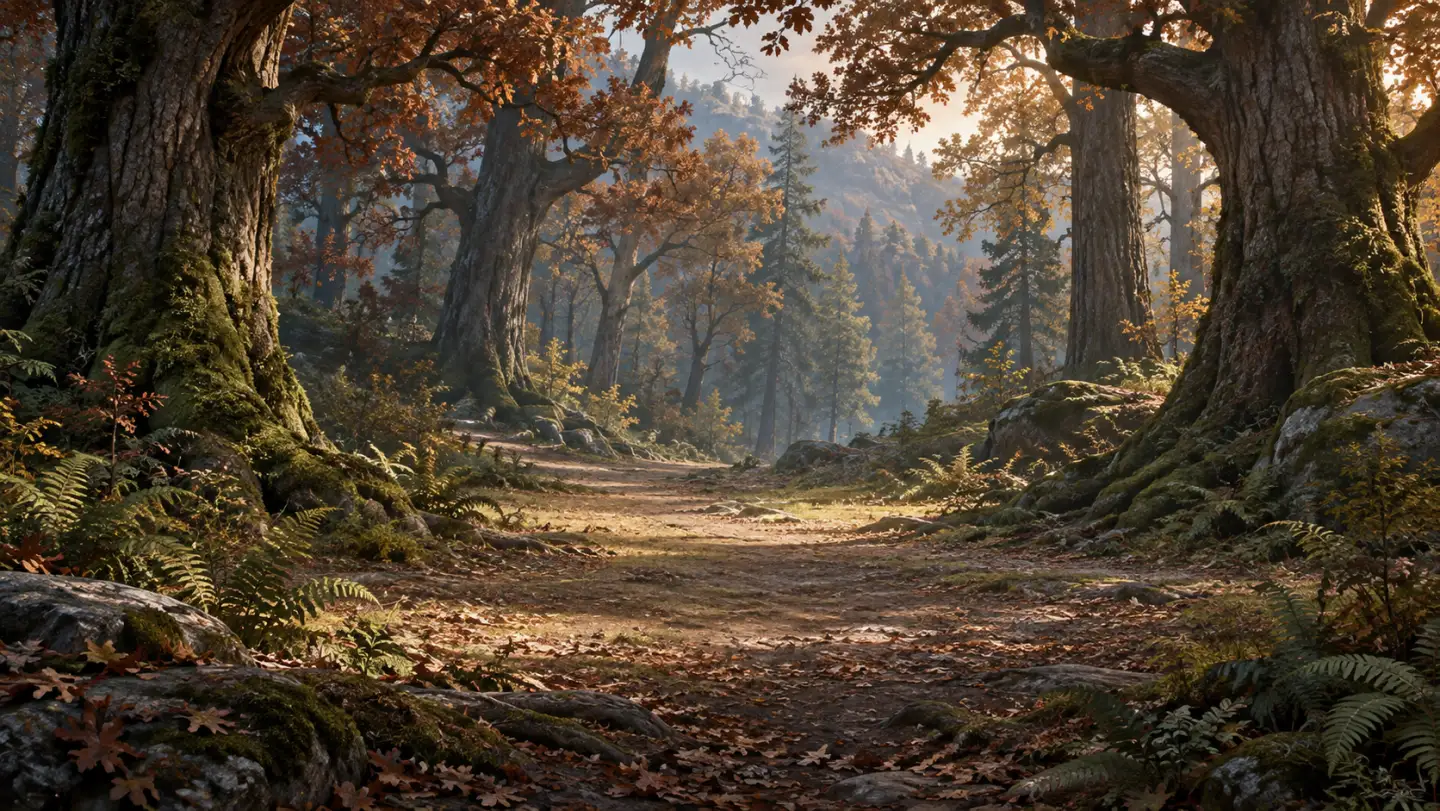
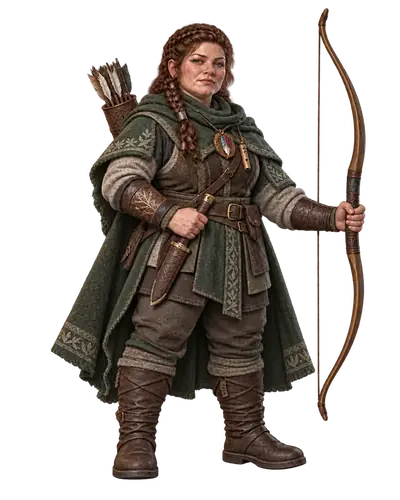
Bow & blade · Wilderness
Rangers
A hunter’s eye, a fighter’s hands and a life spent learning the wilderness. Fight with bow, blades and nature’s magic.
A place in the valley
Find the people
you want to become.
Choose a race and a first profession. Meet your teachers, learn your craft, and find the companions who will come to rely on it.
Icesus is a persistent text RPG. The paintings illustrate its world; you play through words.