What this guild is about
Read the world before you move.
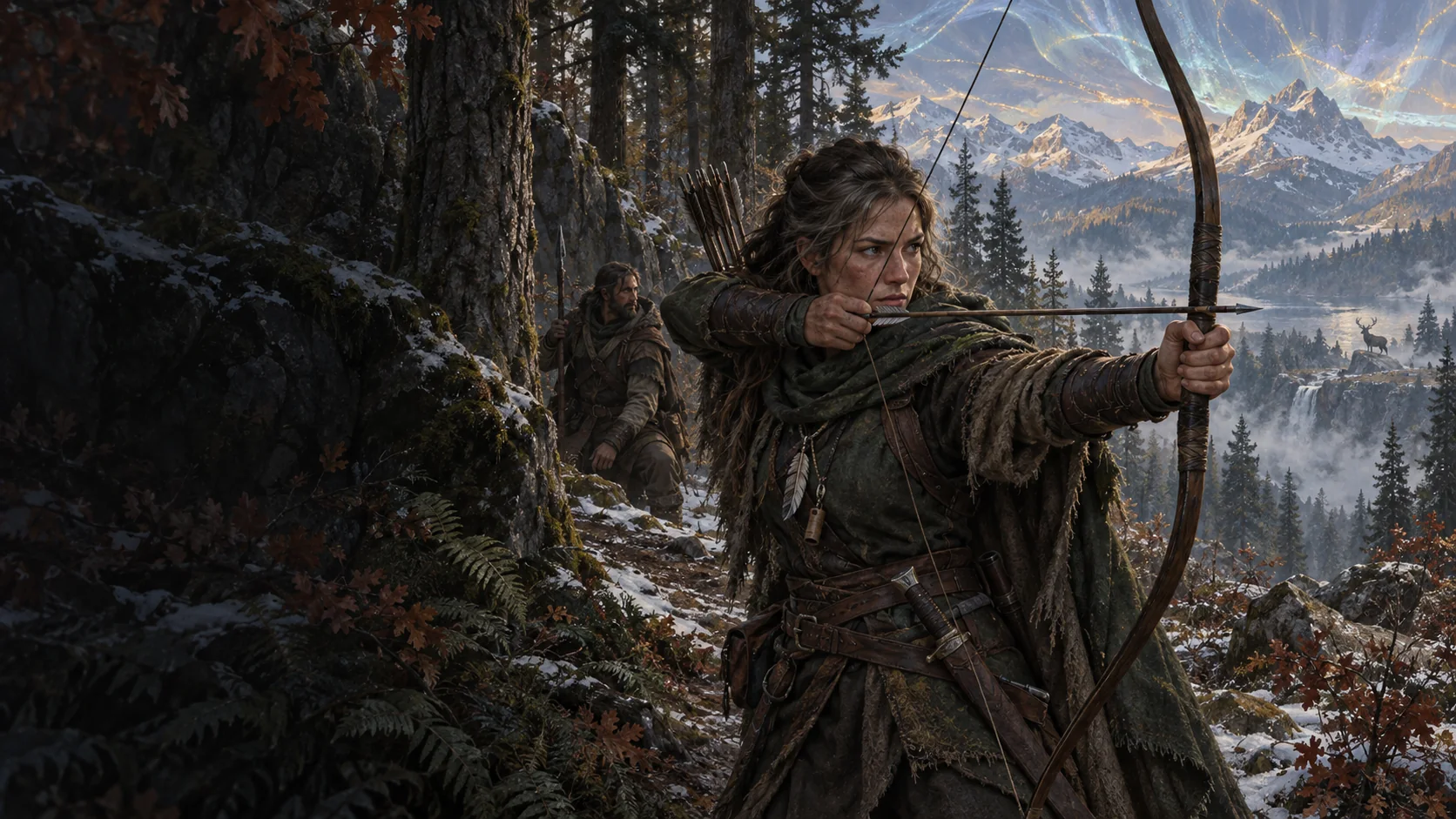
Rangers combine the eye of a hunter with the hands of a capable fighter. They can work with ranged weapons, develop intricate blade patterns and draw on nature-related magic. Their calling reaches beyond killing: exploration, survival and the protection of the world give their training its purpose.
A ranger is about understanding where you are before deciding what to do. The woods are a place to read, travel through and protect, not merely a backdrop for combat. The same attentiveness carries into battle: distance, weapon choice and the moment to change approach all matter. Different ranger traditions interpret this calling differently. Some defend Valkor’s settled lands, some prize stealth, and some push survival into an extreme discipline. What unites them is a practical relationship with the world outside city walls, supported by enough magic and martial knowledge to meet more than one kind of danger.
You might feel at home here if…
- You like exploring and preparing before committing to a fight.
- You want bows, blades and useful magic within one broad tradition.
- You enjoy a profession with several distinct wilderness identities.
Lore & origins
From scattered woodsmen to a living tradition
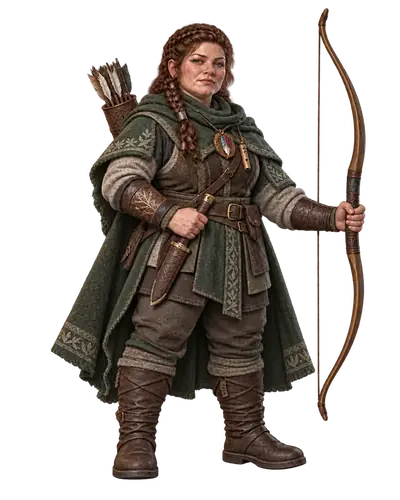
Weloq’s arrival gave the rangers a stronger common identity. The master of the Ranger Candidates is described as having organised scattered woodsmen and hunters into a union. He embodies the qualities the guild wants to teach: a soft, sure step, alert hearing, an eye that misses little and a sense of harmony with nature. His strength is apparent in how easily he handles his weapons, rather than in a boastful display. The candidate’s grove is an invitation to learn that way of inhabiting the world.
The traditions that branch from it are not all alike. The Wardens of Valkor patrol the kingdom’s lands to prevent threats reaching civilised areas. In return, Valkor supports recruitment and grants limited access to elemental, plant and animal spells. The Nightstalkers cultivate quiet movement and concealment in a dense conifer forest. Their origins are uncertain, and rumours connect them with espionage; what is clear is their impatience with the noise of an untrained traveller. Protection and stealth sit beside hunting within the same broad calling.
Even the ideal of harmony has its dissenters. The Champions of Nature built a separate training place because they considered other scouts too soft. Their creed puts physical and mental endurance first, and their own introduction admits that older ranger ideals have faded behind that severity. They still retain the traditions that limit their teaching to rangers. Together these branches make rangerhood a living, occasionally argumentative culture: a union of people who know the wilderness intimately, but do not all agree on what that knowledge should make them become.
A place in the world
The grove of Ranger Candidates
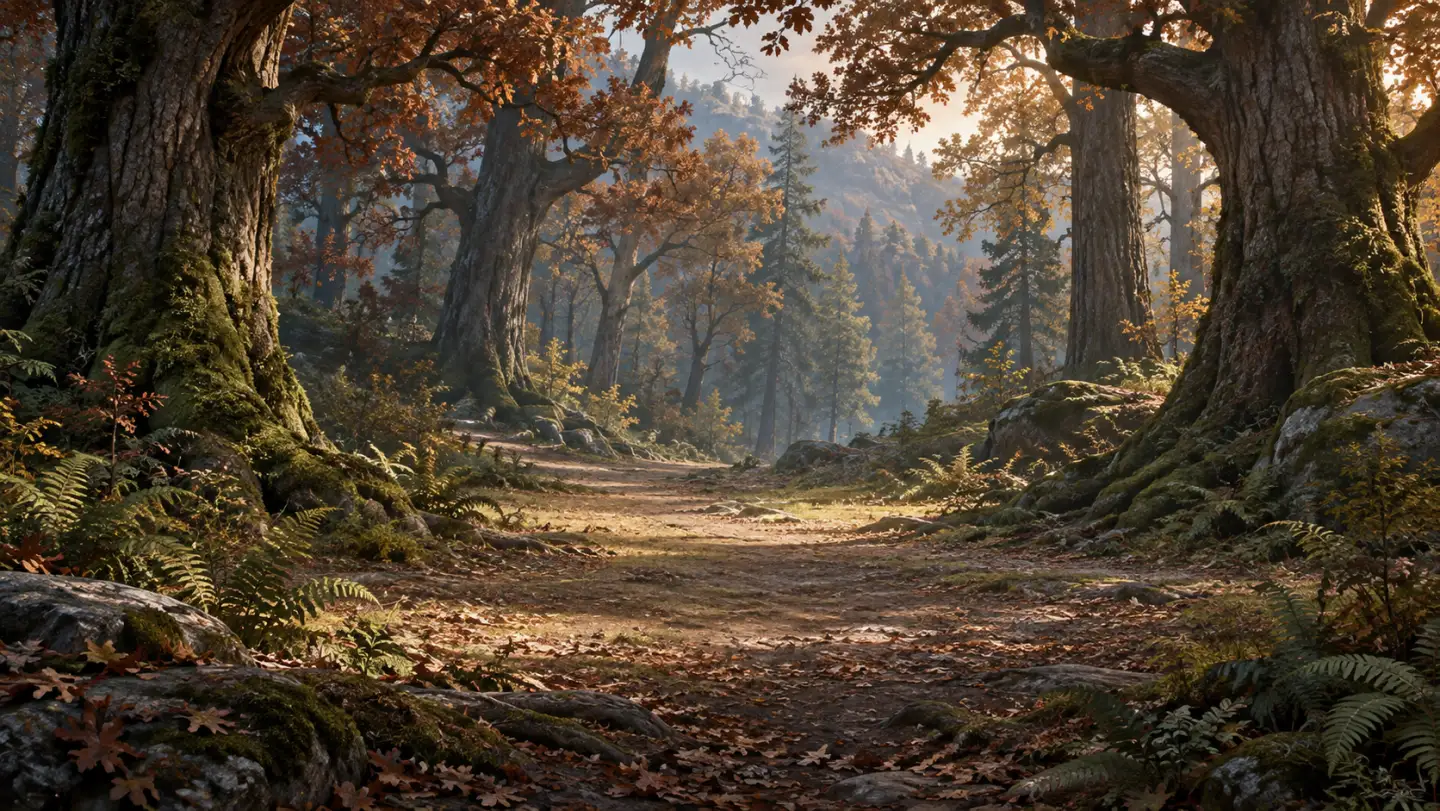
Training begins in a living grove under Weloq’s watch. The wider tradition leads into conifer woods, remote ledges and the lands watched by Valkor’s Wardens. A feather held in the guild amulet and its small wooden whistle are distinctive material details of ranger identity, rather than the heraldry of a conventional army.
Explore the world around themTheir role in a fight
Choose the ground. Find the opening.
Rangers offer several ways to contribute damage: trained archery, close-range weapon work and the paired-weapon patterns of Whirling Blades. Nature-related spells add preparation and support. Your role depends on what you have trained and brought, so the interesting question is often which approach suits this opponent and this party, rather than whether every encounter must begin the same way.
With a party
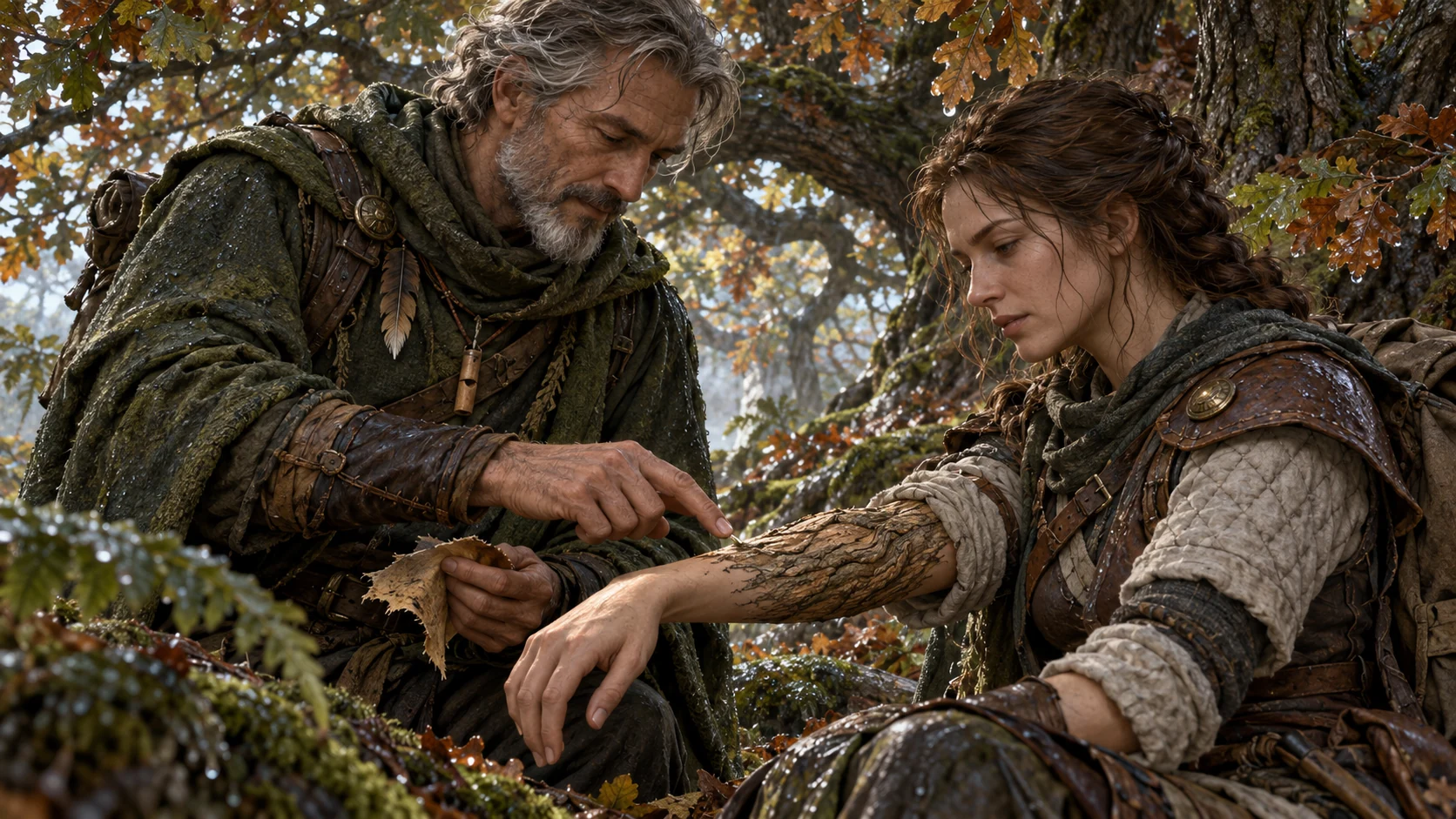
A ranger can take a ranged role behind companions or contribute blade work where the party needs it. Guided Aim can influence the aiming of multiple targets, while Barkskin rewards compatible natural-material armour. These are concrete reasons to know your companions’ equipment and approach. A useful ranger supports the group’s plan while maintaining their own pressure on the target.
On your own
The guild’s hunting, tracking and travel identity makes exploration part of its appeal. In a fight, ranged preparation and melee training give you more than one way to approach a quarry. The flexibility is most useful when you recognise the limits of each option: a bow needs its practical support, and sophisticated blade patterns need the related skills to become effective.
The choices you make
Breadth comes with preparation. Guided Aim consumes an arrow or quarrel as its component; Barkskin needs a piece of skin and works from the natural materials worn by its target. Whirling Blades rewards suitable weapons and pattern training. A ranger who wants everything at once still has to carry the right supplies and build the knowledge that makes each technique worthwhile.
Power, explained
Signature abilities
Archery
Ranged weapon discipline
Archery improves the accuracy and lethality of bow and crossbow attacks, and practice also speeds the reload sequence. It creates a sustained ranged contribution rather than a single magical shot. Weapon choice, ammunition and the party’s fighting arrangement remain part of using it well, especially when shooting around the front line.
Whirling Blades
Attack and counterattack patterns
Move weapons through patterns that either open an immediate attacking gap or strengthen defence while preparing a counterstrike. Rangers learn several patterns, supported by twin weapons, bladesinging and pattern skills. Fast weapons suit the technique; a single weapon works less effectively, and a shield does not count as the second blade.
Guided Aim
Elemental assistance
Establish a connection through which the elements can influence aiming in both ranged and melee combat. The spell can address several targets and requires an arrow or quarrel as its material component. Its description explicitly allows assistance or interference, so treat it as an elemental influence to understand, rather than a promise that every subsequent attack will hit.
Barkskin
Protection from natural materials
Thicken and toughen a target’s skin using the thickness of the natural-material armour they wear. This makes equipment choice part of the protection: the spell is not an identical layer for every outfit. It requires a piece of skin, can affect multiple targets, and costs more mana as the target group grows.
These are examples from the guild’s wider training. Availability and strength depend on your guild path, skills and current game rules; an initiate starts with a smaller repertoire.
Learning the tradition
Follow the trail beyond initiation.
Ranger Candidates begin a path that can lead through different kinds of woodland and martial expertise. The Wardens connect the calling to Valkor’s defence; Nightstalkers pursue stealth; other branches develop archery, blade work and survival. Choose a direction by the actions you want to perform repeatedly, then support it with the relevant weapon and wilderness skills. A paired-weapon fighter and a dedicated archer can share the same guild without playing identically. Nature magic adds another layer, but its components and equipment relationships make preparation part of learning it well. Advancement deepens a chosen relationship with the wild.
For a first character, the guided builder offers a selection of starting professions. The complete guild reference and in-game teachers explain entry requirements and further training.
-
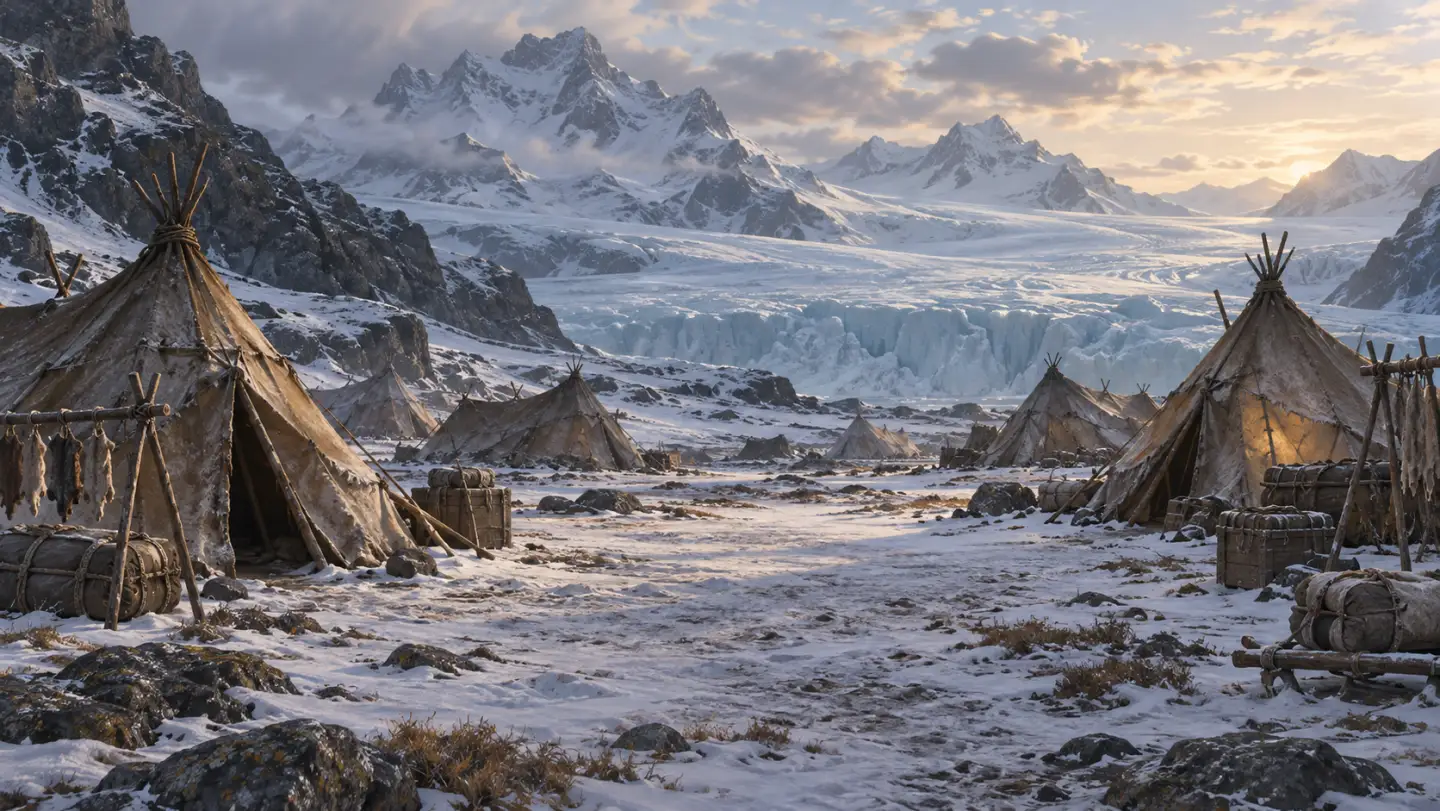
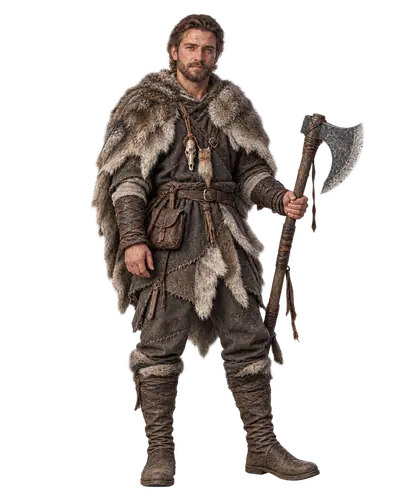
Axe combat · Totem rites
Wilders
Survivors of the frozen wastes, carrying their homes and traditions. Fierce axe fighting meets hunting, camps and totem rites.
-
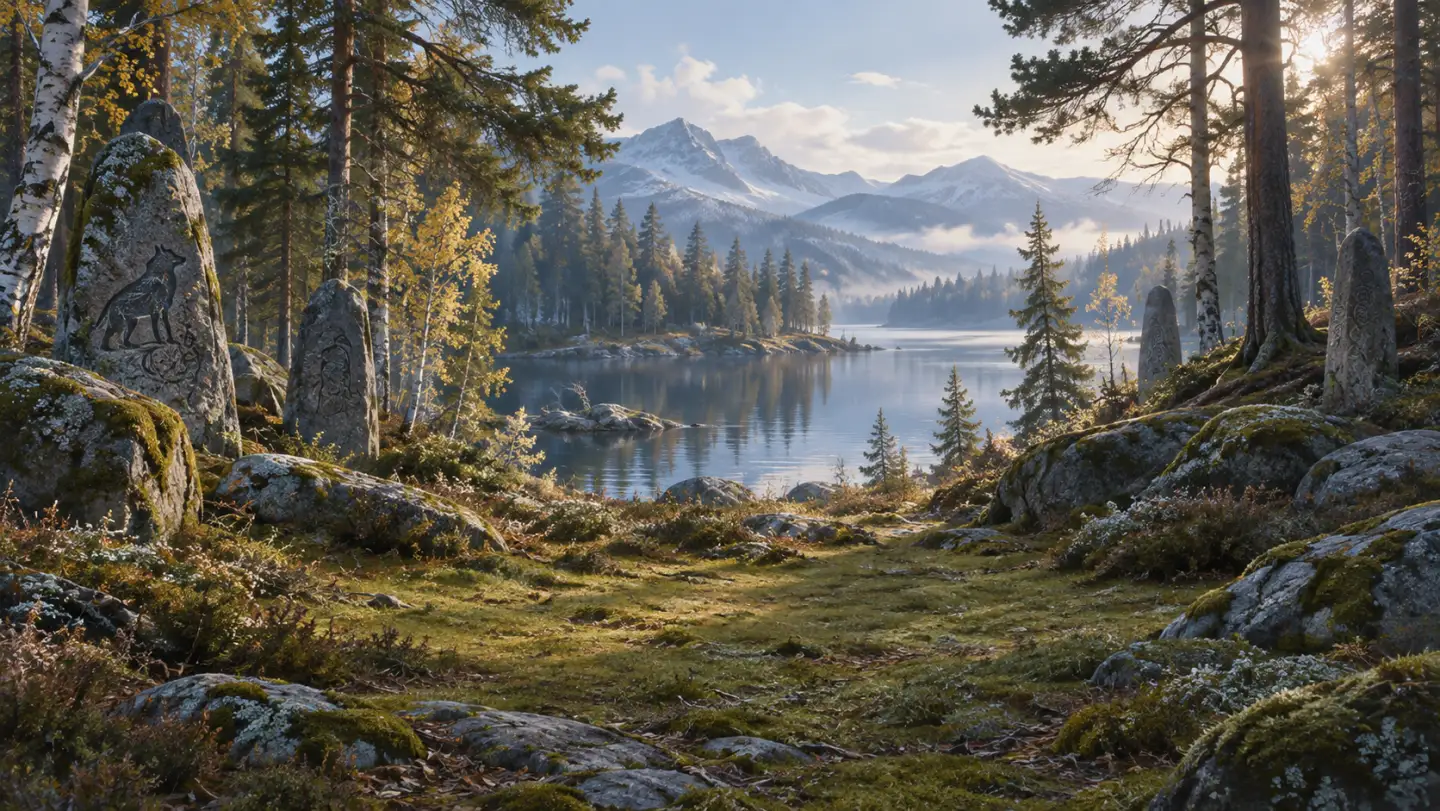

Animal forms · Melee
Gaesati
Followers of Walmor who learn to become animals and trees. Each form offers a different way to face the world.
-
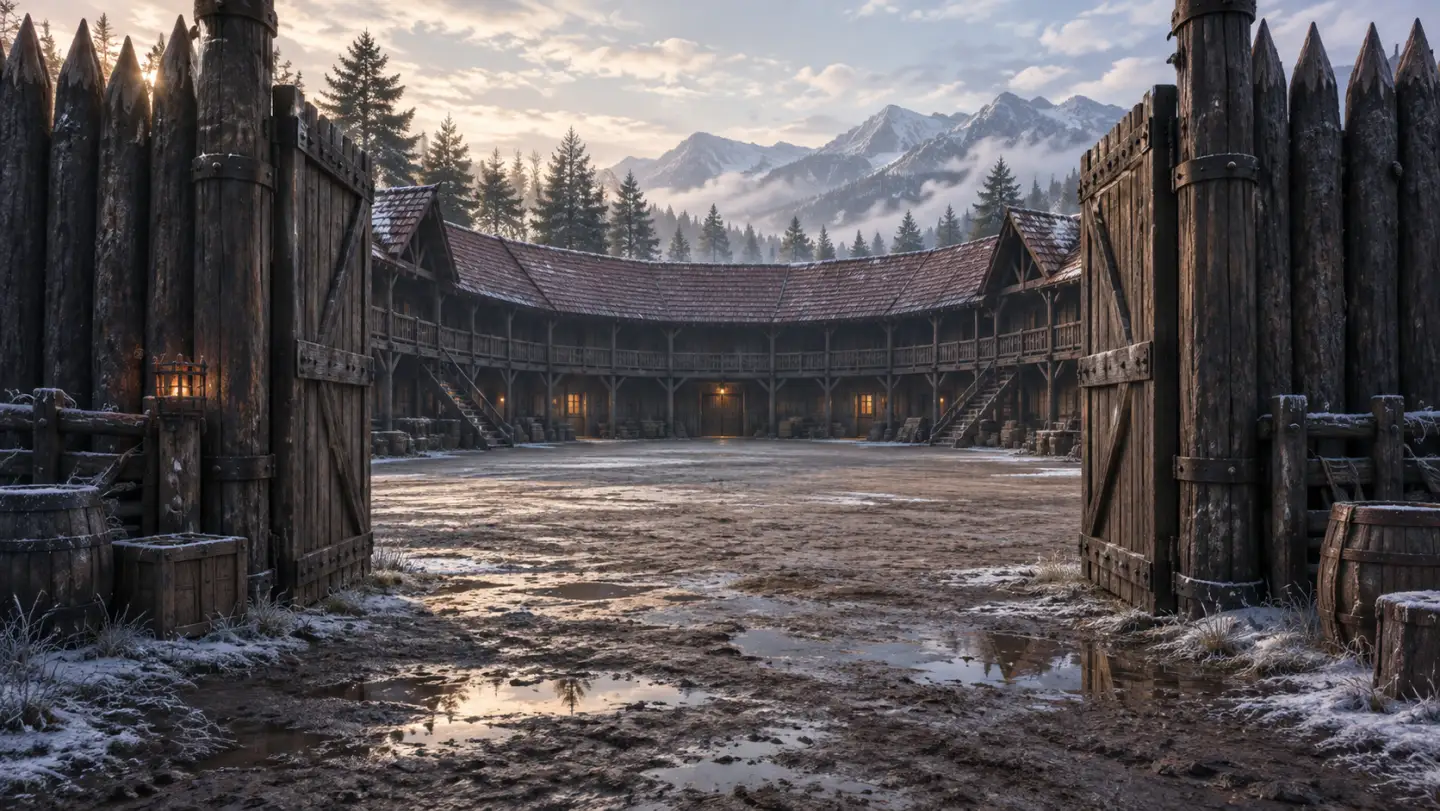
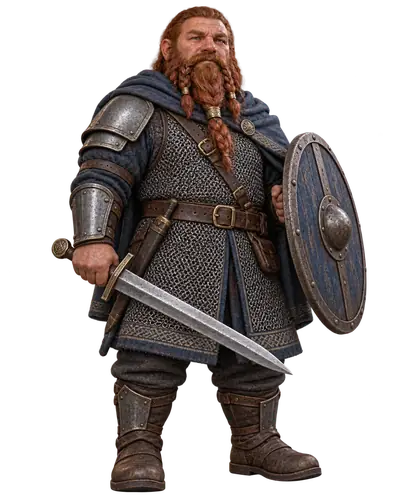
Weapon combat · Defence
Army
Train for the moment another person needs you to stand firm. Choose agile weapon work or armoured endurance.
A place in the valley
Find the people
you want to become.
Choose a race and a first profession. Meet your teachers, learn your craft, and find the companions who will come to rely on it.
Icesus is a persistent text RPG. The paintings illustrate its world; you play through words.