What this guild is about
Carry the tribe with you.
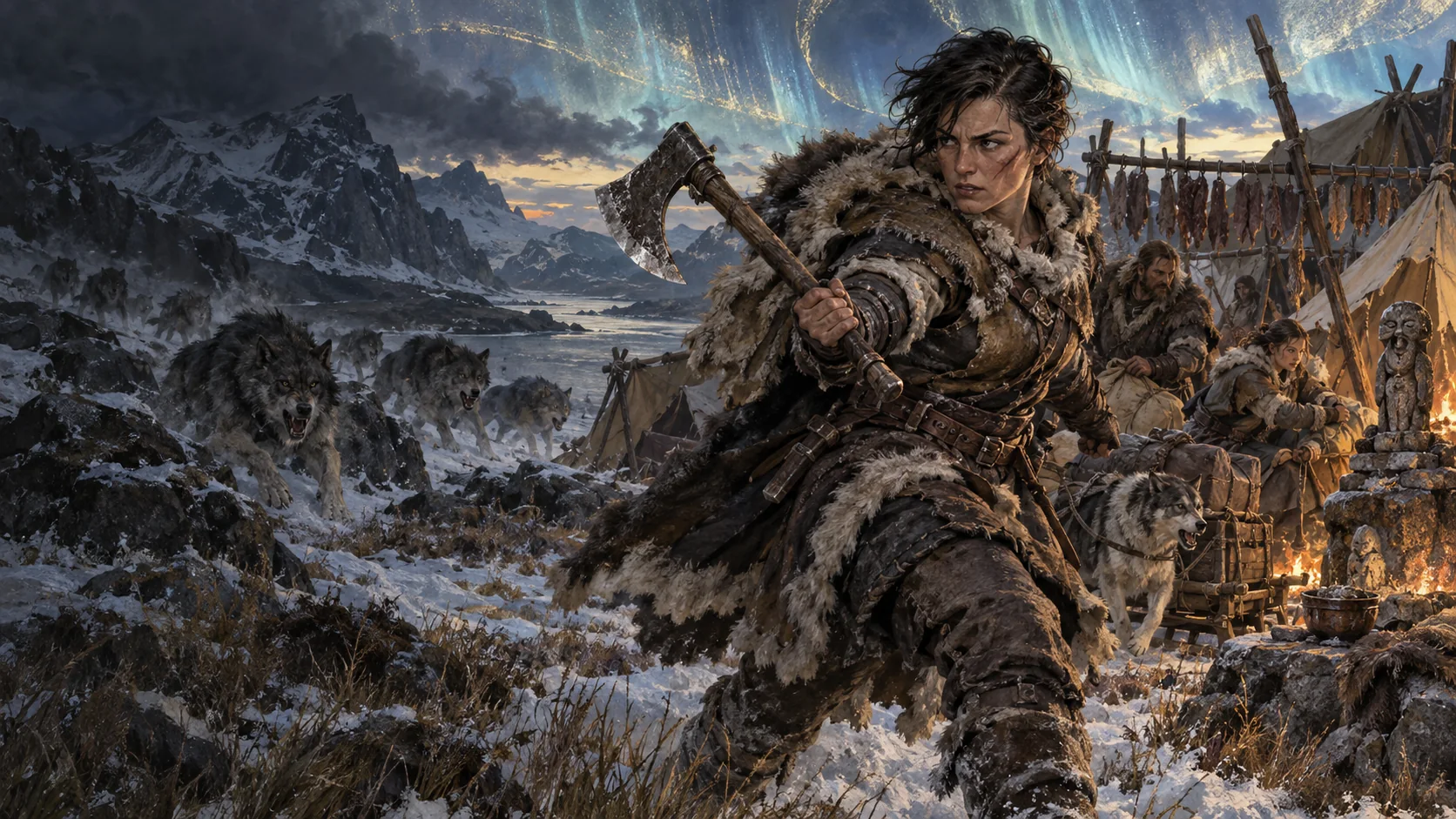
The Wilders carry a way of life that survived Aegic’s frozen wastes. Their axe fighting is fierce, but the guild is equally shaped by hunting, travelling camps and the binding of vital essence into totems. To understand their violence, begin with what it protects: the survival of the tribe.
A Wilder is about keeping a people alive when no settled power offers them a place. Combat, gathering and ritual belong to the same task. A slain creature can be food, a hard-won victory and a source of essence for a totem; a shrine can be something the community maintains together. Their reputation for brutal assault grows from that survival ethic. This gives the guild a different emotional centre from a professional army: its fighters are not protecting an institution’s marble halls, but a moving network of people, knowledge and useful possessions that must endure another journey.
You might feel at home here if…
- You want fierce physical combat with a strong survival identity.
- You enjoy a loop that connects hunting, corpses, totems and preparation.
- You prefer travelling communities to a permanent institutional home.
Lore & origins
The people who came in from the ice
The Wilders descend from people left in the wastes when Aegic froze. Generations survived by living from the icecrawlers, which in turn fed upon frozen herds. That precarious chain could not last forever. As food was exhausted, both tribes and crawlers began to die out. A few fortunate tribes followed icecrawlers that wandered into Icesus, reaching a valley warmer and more abundant than the country they had known. Their arrival was a continuation of survival, not a victorious migration into promised territory.
The kingdoms of the valley did not offer them a home. The Wilder introduction says that no kingdom was willing to share its land, so the tribes continued their nomadic lives. There is consequently no single permanent guildhall that defines membership. Wilders train one another wherever they are. This is a tradition carried by people rather than a building: one traveller’s hard knowledge can become another’s means of surviving, and the tribe can continue when a camp must be packed and left behind.
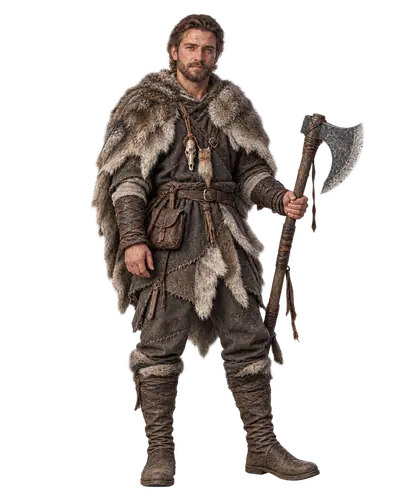
Their material culture is practical and personal. Coloth’s fur-and-leather clothing reflects difficult hunts, and strips of meat dry on a rack behind her. The axe is both the unmistakable image of a Wilder fighter and part of a life lived close to animal strength. Ritual extends that relationship beyond the hunt. Through binding and veneration, portions of a creature’s vital energy are preserved in totems and renewed at shrines. The spectacular fury outsiders witness in battle belongs to a broader culture of movement, resourcefulness and shared endurance.
A place in the world
The travelling tribes
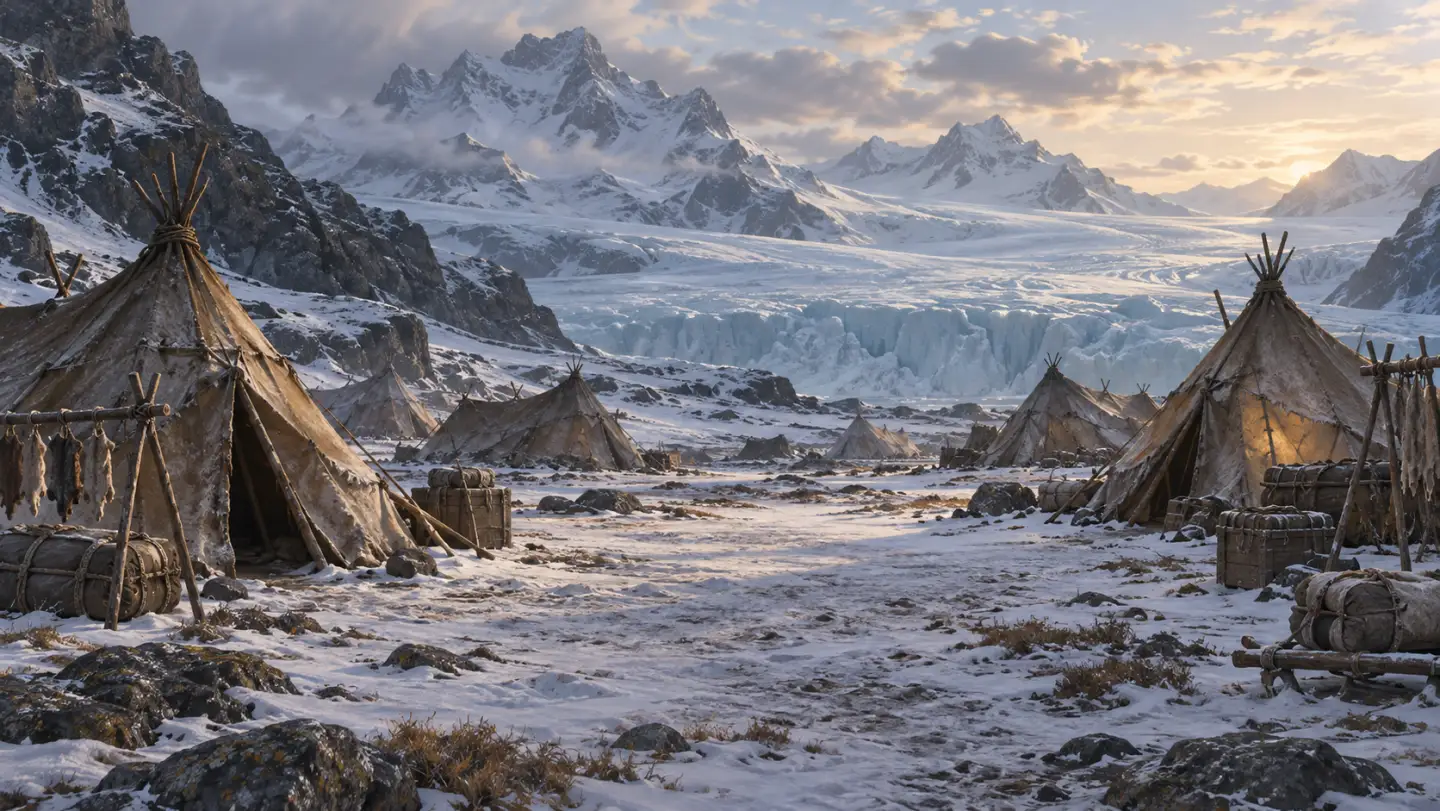
Wilders have no fixed guildhall in the valley. Their teachers belong to a nomadic tradition, and their camps carry the visible work of survival: useful gear, hunting clothes and food being preserved for the road. A shrine offers a place for veneration and totem charging without turning the entire culture into a settled kingdom.
Explore the world around themTheir role in a fight
Ferocity with something to protect.
The most direct Wilder contribution is aggressive physical fighting with an axe. Storm places special importance on the opening blow, while Axe Frenzy sustains a series of forceful attacks. The ritual side of the guild provides a longer preparation cycle around that violence: bind essence, maintain totems and consider what resources you are taking into the next expedition.
With a party
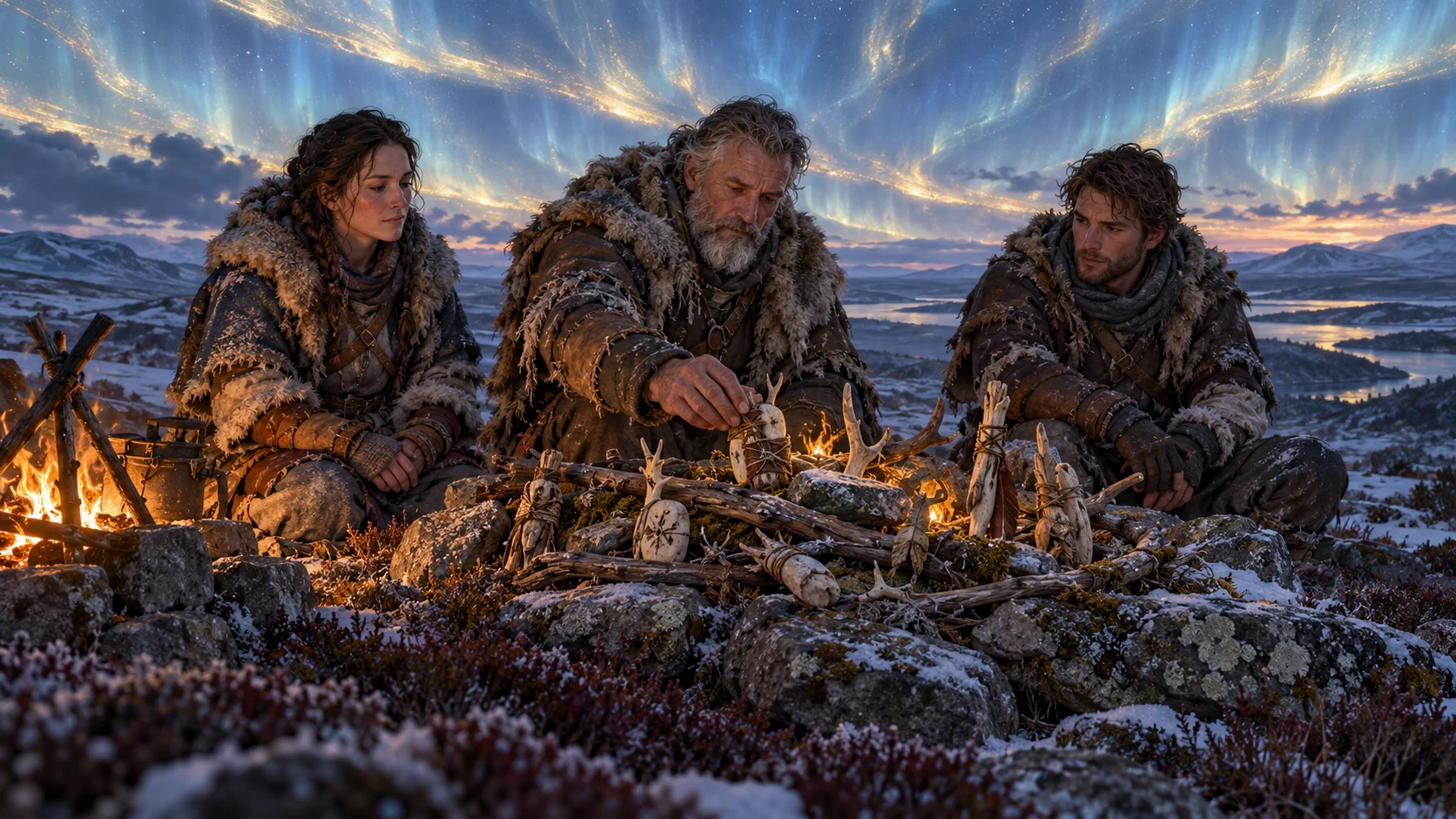
In a party, a Wilder supplies immediate pressure and a decisive-looking entrance into combat. Coordinate that opening with the group’s intended target and the readiness of the front line. Outside the clash, shrine veneration allows shared effort to charge totems. The profession’s sense of community therefore extends beyond standing beside another fighter: preparation itself can be something others contribute to.
On your own
For solo play, the appeal is the continuity between a hunt and what follows it. You choose a target, commit to the fight, and can examine a newly slain corpse for essence to bind into a totem. Travel and camp skills make the journey meaningful, while shrine upkeep turns recovery and preparation into part of the same survival routine.
The choices you make
Aggression does not remove the need to prepare or judge a fight. Storm’s own teaching acknowledges vulnerability during the opening strike, reduced by training. Totems require suitable slain bodies and ritual work, while effective shrines depend on a balance of spiritual and valuable offerings. The Wilder is most satisfying when you enjoy that whole cycle, including the work between dramatic axe blows.
Power, explained
Signature abilities
Storm
Opening assault
Strike first and make that first blow matter. Storm is built around a forceful entrance into battle, with training improving the blow and reducing the vulnerability involved in delivering it. It rewards deciding when to commit, especially when companions are ready to follow the opening rather than still preparing behind you.
Axe Frenzy
Relentless physical pressure
Unleash rapid axe blows intended to overwhelm a foe’s defences through repeated, brutal pressure. The technique’s identity is close combat driven by instinct and momentum. It suits a Wilder who wants to remain actively engaged after the opening, turning the axe into the centre of a fight rather than a ceremonial prop.
Bind Essence
The hunt becomes a totem
Examine a newly slain body for the parts that held the greatest vital energy, then bind representative pieces into a totem. The totem is a means of tapping that preserved essence. This gives a successful hunt a second purpose and ties the guild’s power to understanding the creature that supplied it.
Veneration
Shared ritual preparation
Build and worship at shrines, placing totems there to be charged through veneration. Other people can help charge the stored totems by worshipping at the shrine. Construction quality, accumulated veneration and a balance of valuable and spiritual offerings matter, making a useful shrine something to tend thoughtfully rather than simply place and forget.
These are examples from the guild’s wider training. Availability and strength depend on your guild path, skills and current game rules; an initiate starts with a smaller repertoire.
Learning the tradition
Learn from the travelling tribes.
Wilder training is passed from person to person. Developing the fighter and understanding the tribe’s rites are complementary ambitions: axe techniques make a hunt possible, while binding and veneration help turn its result into future strength. Learn the opening and sustained attacks you can support, then give equal attention to the practical systems around totems and shrines. Those rituals have their own knowledge and judgement, including the balance of offerings at a shrine. The path can feel less like climbing the floors of a guild tower and more like becoming a capable keeper of a tradition that must travel.
For a first character, the guided builder offers a selection of starting professions. The complete guild reference and in-game teachers explain entry requirements and further training.
-
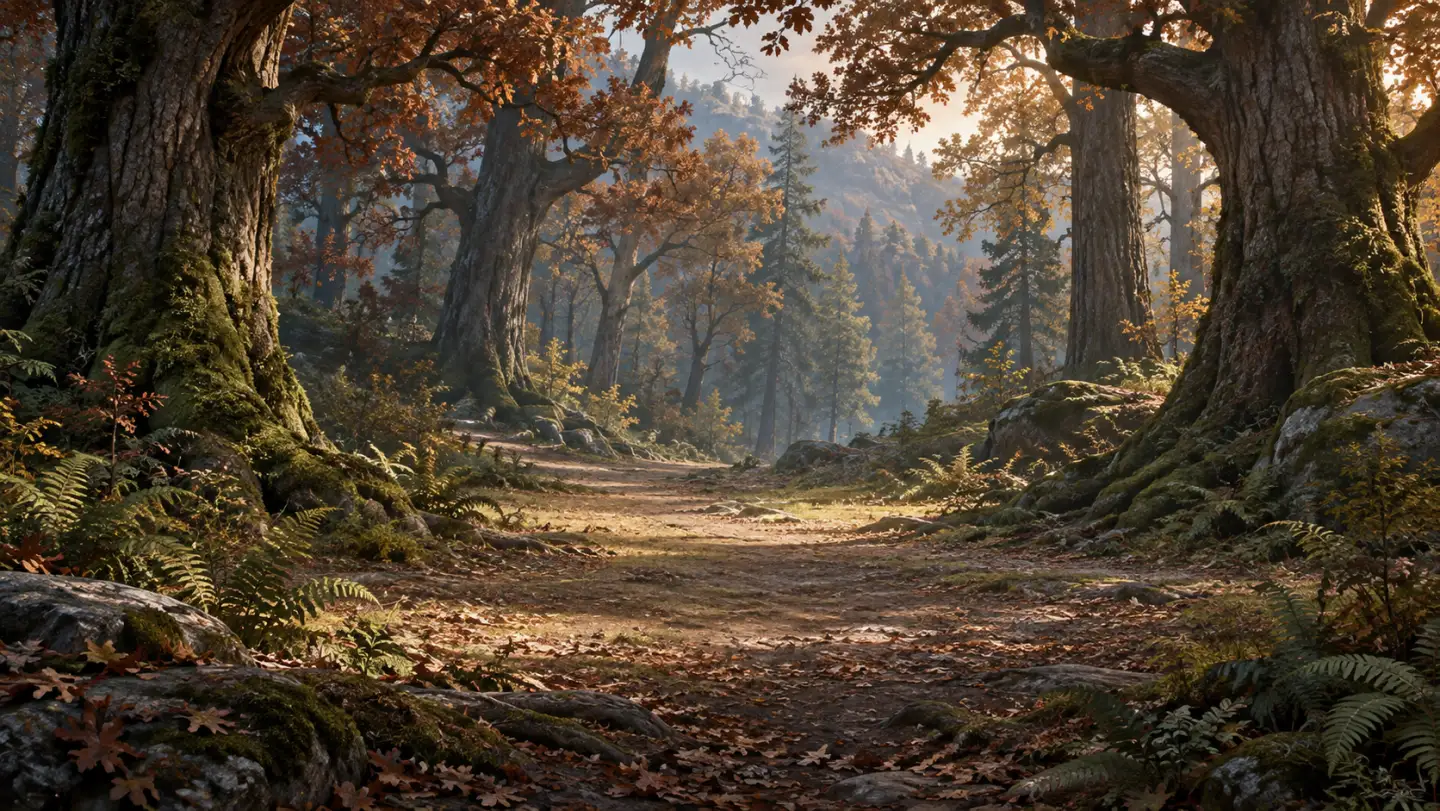
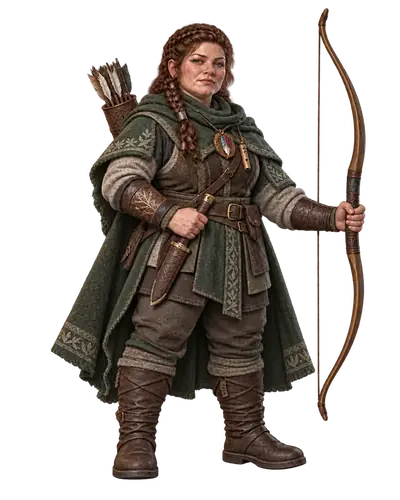
Bow & blade · Wilderness
Rangers
A hunter’s eye, a fighter’s hands and a life spent learning the wilderness. Fight with bow, blades and nature’s magic.
-


Animal forms · Melee
Gaesati
Followers of Walmor who learn to become animals and trees. Each form offers a different way to face the world.
-
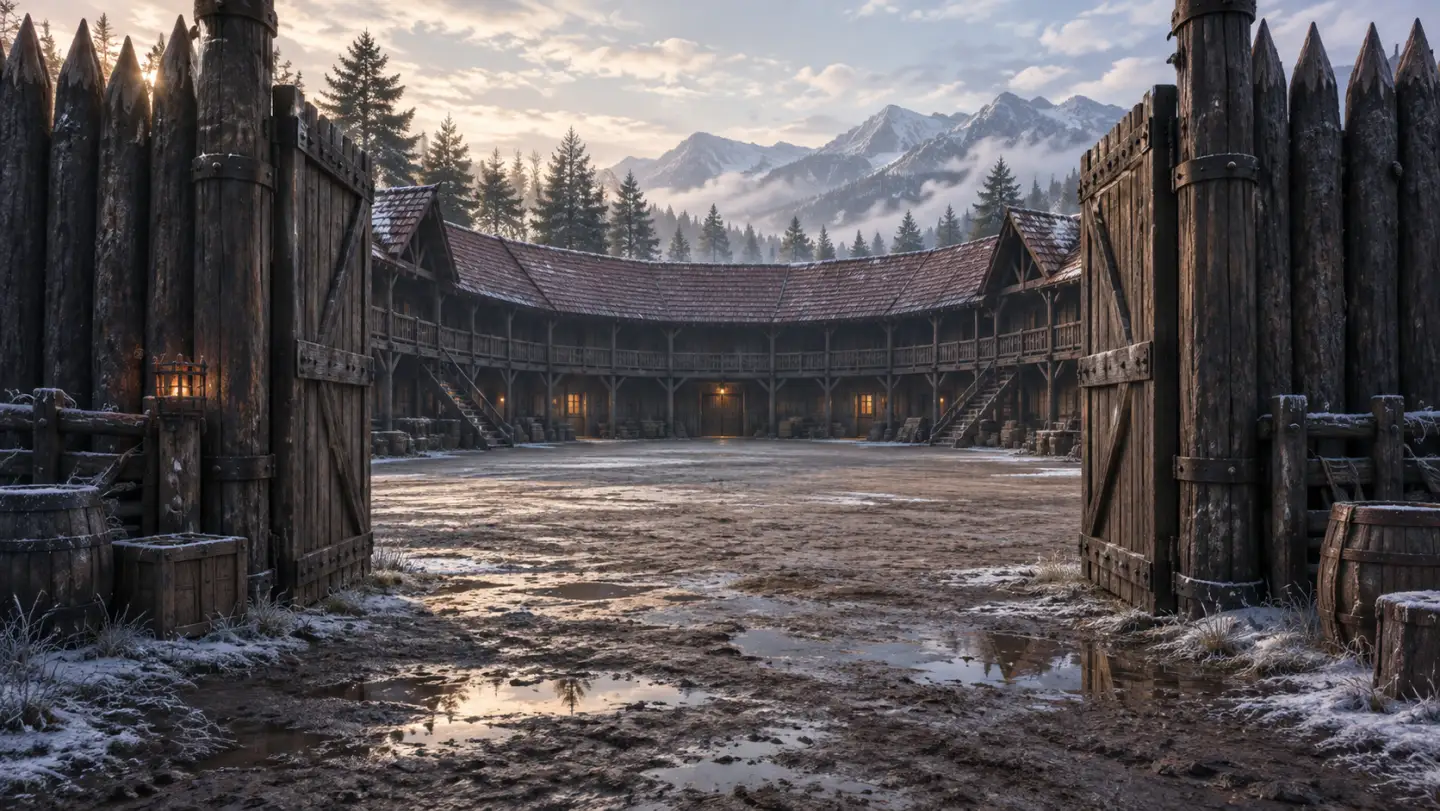
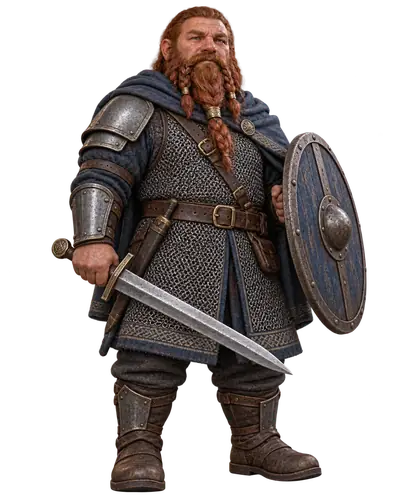
Weapon combat · Defence
Army
Train for the moment another person needs you to stand firm. Choose agile weapon work or armoured endurance.
A place in the valley
Find the people
you want to become.
Choose a race and a first profession. Meet your teachers, learn your craft, and find the companions who will come to rely on it.
Icesus is a persistent text RPG. The paintings illustrate its world; you play through words.